Delhi's Air Quality Collapses as Fireworks Ignite a Public Health Crisis
Firecrackers accounted for eighty percent of the particulate matter surge in the National Capital Territory on Monday, forcing authorities to confront the limits of regulatory enforcement during the festival season. The immediate spike in hazardous air quality has triggered emergency health protocols and renewed scrutiny of the state's ability to balance cultural tradition with public safety.
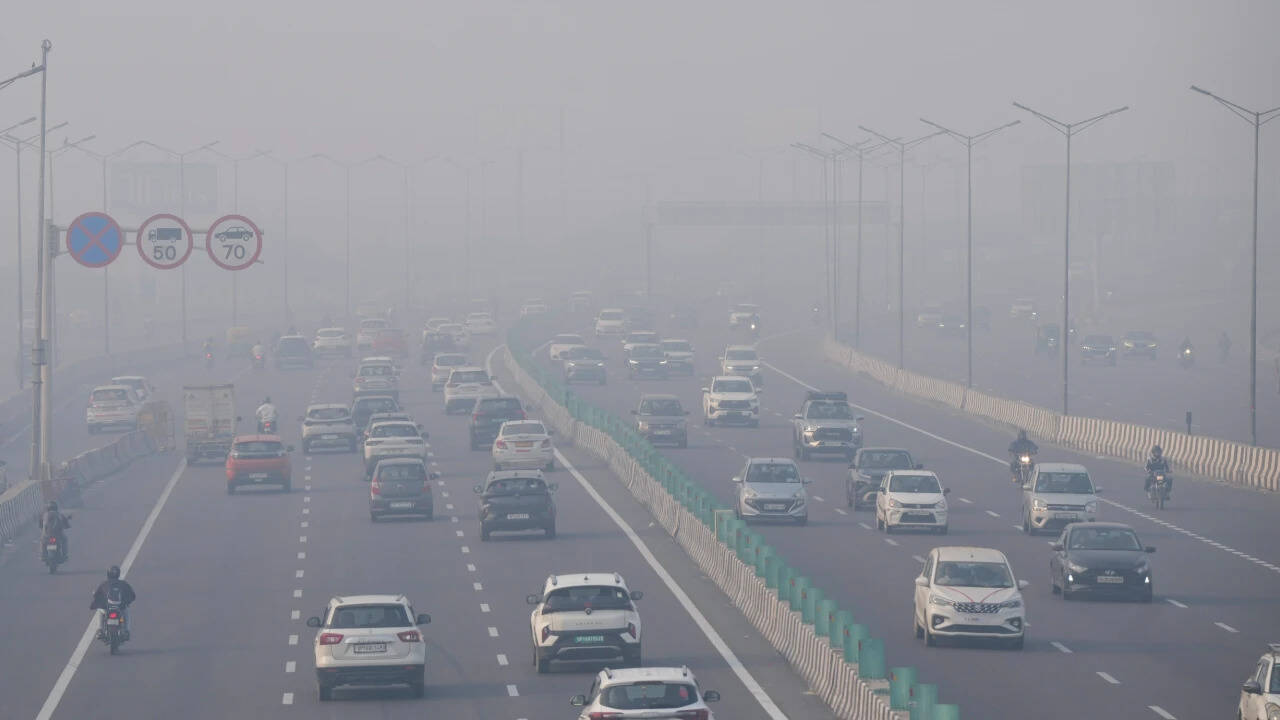
The concrete rupture in Delhi's atmospheric stability occurred on Monday when the release of fireworks during the festival season overwhelmed the city's already fragile air quality index. Monitoring stations recorded a catastrophic rise in fine particulate matter, with data indicating that eighty percent of the pollution surge was attributable to the combustion of firecrackers. This sudden deterioration transformed the capital's air into a hazardous medium, prompting immediate health advisories and the suspension of outdoor activities in vulnerable zones. The event was not merely a seasonal occurrence but a sharp, measurable failure of the ambient environment to remain within safe thresholds for human habitation.
The underlying tension stems from the persistent friction between cultural observance and environmental regulation in one of the world's most densely populated cities. Despite existing bans and restrictions on the sale and use of firecrackers, enforcement remains inconsistent, allowing the practice to continue with minimal deterrence. The institutional gap between policy intent and on-ground reality is stark; the state apparatus struggles to monitor and penalize widespread, decentralized acts of pollution that are deeply embedded in social ritual. This friction highlights the difficulty of imposing public health mandates on private, celebratory behaviors that carry significant cultural weight.
The downstream casualties are primarily the elderly, children, and those with pre-existing respiratory conditions, who face an immediate increase in hospital admissions for asthma attacks and cardiac events. The tangible outcome is a measurable loss of life expectancy and a significant economic burden on the healthcare system, which must absorb the surge in emergency cases. Furthermore, the event erodes public trust in the government's capacity to protect citizens from environmental hazards, setting the stage for more aggressive legal challenges and potential litigation against state authorities for negligence in protecting public health.
Comments 0