Delhi’s Air Quality Improves, But Vehicular Emissions Remain the Core Threat
Delhi has recorded three consecutive days of improved air quality, yet vehicular emissions continue to be the primary source of pollution in the capital. This persistent challenge underscores the limitations of short-term measures and the need for a structural shift in urban transportation policy to achieve sustainable air quality standards.
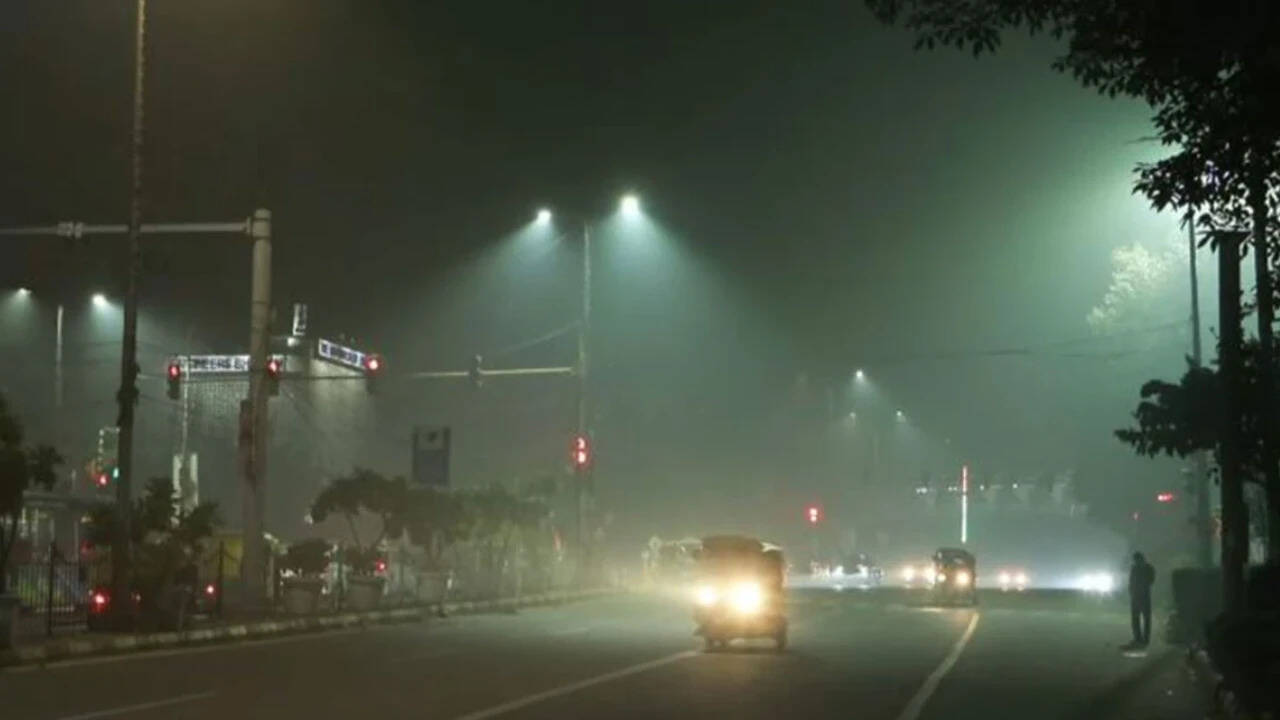
The improvement in Delhi’s air quality over the past three days is a welcome development, but it is a fragile one, heavily dependent on meteorological conditions rather than sustained policy intervention. The fact that vehicular emissions remain the biggest source of pollution highlights the inadequacy of current regulatory frameworks in addressing the root causes of urban smog. The city’s reliance on internal combustion engines, despite the availability of electric alternatives, is a critical failure of urban planning. The improvement is a temporary reprieve, not a solution, and it masks the deeper structural issues that plague the capital’s air quality.
The underlying tension is between the immediate need for clean air and the long-term economic interests of the automotive industry and the public transport sector. The government’s efforts to reduce emissions have been hampered by a lack of coordination between different agencies and a resistance to implementing stricter norms for vehicles. The friction is further compounded by the rapid growth of the city’s population and the expansion of its urban footprint, which increases the demand for transportation. The current approach of relying on temporary measures, such as odd-even schemes, is insufficient to address the scale of the problem. A more comprehensive strategy is needed, one that integrates public transport, electric mobility, and industrial regulation.
The downstream consequences of failing to address vehicular emissions will be a continued deterioration of public health and a loss of economic productivity. The immediate shockwave is a growing awareness among the public of the link between transportation choices and air quality, which may drive demand for electric vehicles and better public transport. The casualties are the vulnerable populations, such as children and the elderly, who are most affected by poor air quality. The tangible outcome is a need for a fundamental rethinking of urban mobility, with a focus on reducing the number of private vehicles on the road and investing in clean, efficient public transport systems.
Comments 0