Delhi’s Air Remains Poor as Winds Fail to Disperse Pollution
Despite prevailing winds, Delhi’s air quality index stayed within the ‘poor’ band, with sixteen monitoring stations registering ‘very poor’ levels. The stagnation underscores the city’s chronic struggle with particulate matter and its health ramifications.
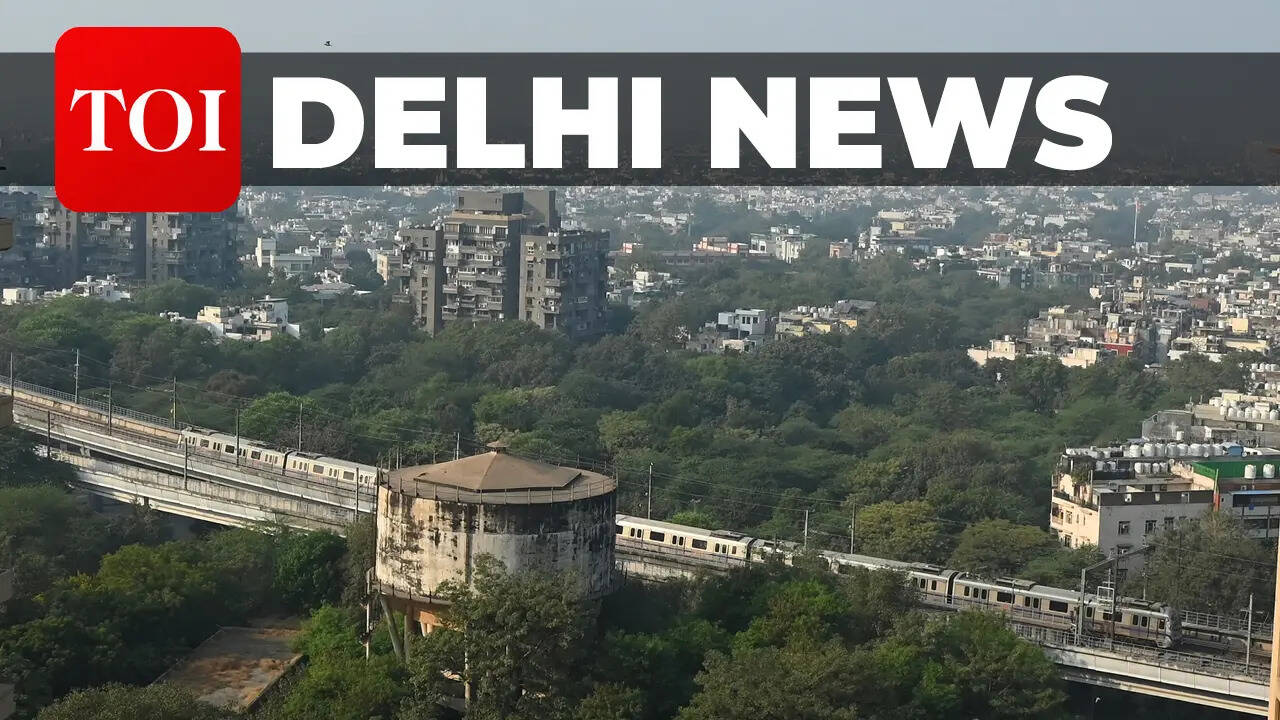
Meteorological data for the past week indicated that gentle breezes from the northwest should have facilitated the dilution of airborne contaminants. Yet, measurements from the Delhi Pollution Control Board revealed that particulate concentrations persisted at levels far above the national safety threshold, prompting health advisories for vulnerable groups. The city’s dense traffic, construction dust, and seasonal crop‑burning in neighboring states continue to feed the smog.
The persistence of hazardous air quality reflects systemic shortcomings in emission control policies, including lax enforcement of vehicular standards and delayed implementation of industrial abatement measures. Public agencies have struggled to coordinate cross‑border mitigation efforts, while legal challenges have stalled the expansion of low‑emission zones. The situation has also heightened public scrutiny of the government’s climate commitments.
The immediate impact is a surge in respiratory complaints reported by hospitals, particularly among children and the elderly. Economic productivity suffers as outdoor labor becomes untenable and commuters face longer travel times. In the medium term, the city may confront heightened morbidity rates that strain its healthcare infrastructure, compelling policymakers to accelerate clean‑energy transitions and urban greening initiatives.
Comments 0