Delhi’s Air Turns Hazardous as AQI Reaches 494
The capital’s air quality index surged to 494, the highest recorded, forcing 50 percent of the workforce to work from home. The spike signals a failure of pollution controls and threatens the health of millions.
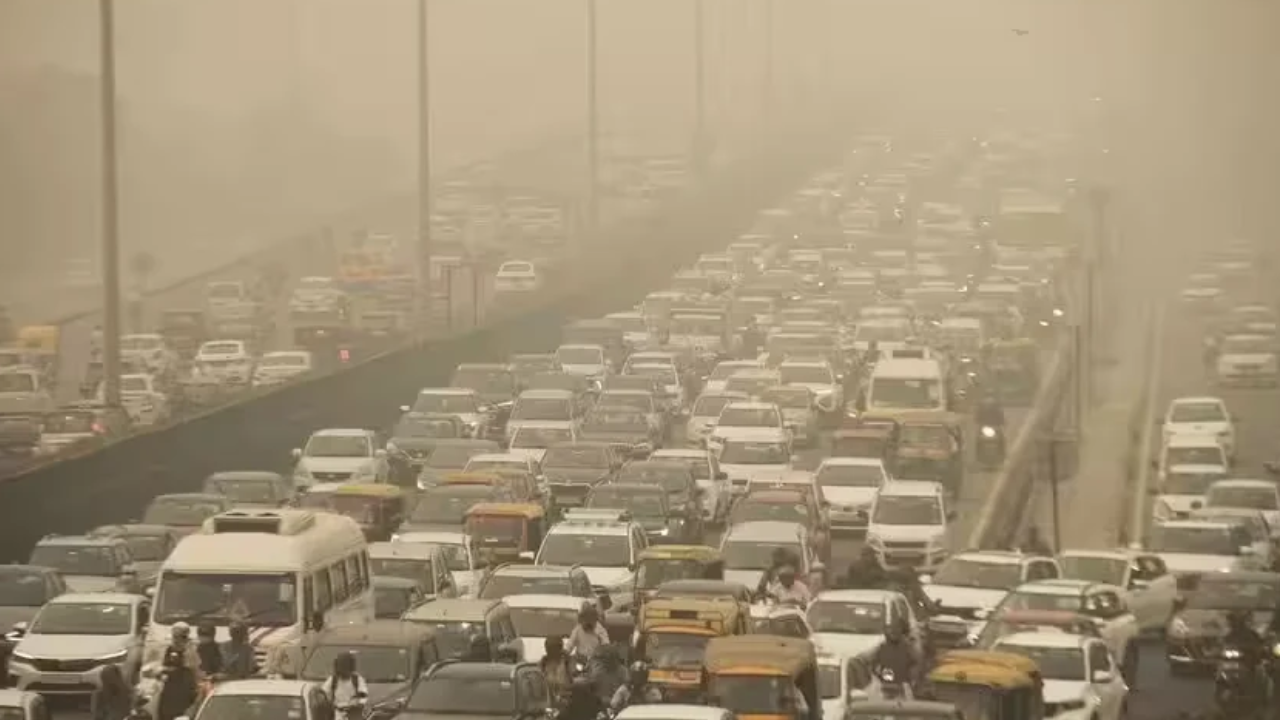
Delhi, a city that has long struggled with smog, saw its air quality index climb to 494 on the day of the report, a figure that eclipses the previous record. Sixteen monitoring stations recorded severe pollution, and the central government’s air quality monitoring system flagged the spike as a public health emergency. The surge was driven by vehicular emissions, industrial output, and the burning of crop residue in the surrounding plains. Residents in high‑density neighbourhoods reported coughing and breathing difficulties, while hospitals noted a rise in respiratory admissions.
The municipal corporation of Delhi, the Delhi Metropolitan Council, had earlier installed an anti‑smog gun at its headquarters, claiming it could operate for eight hours a day. However, the recent audit found the device to be non‑functional, casting doubt on the city’s environmental governance. Central authorities, including the Ministry of Environment, have been pressured to intervene, while opposition parties seized the opportunity to criticize the ruling party’s failure to enforce pollution controls. The incident underscores a clash between political rhetoric and operational reality.
The immediate fallout includes a directive that 50 percent of the workforce must work from home, a move that will reduce traffic congestion but also strain the city’s digital infrastructure. Economists warn that the health costs associated with the smog could exceed the revenue lost from reduced productivity. In the longer term, the crisis is likely to accelerate the adoption of stricter emission standards and a shift toward remote work, reshaping the city’s economic .
Comments 0