Delhi’s Anti‑Dust Campaign Stumbles as Pollution Hotspots Persist
Despite intensified cleaning drives, several zones in the capital continue to record hazardous particulate levels. The failure highlights gaps in policy execution and inter‑agency coordination.
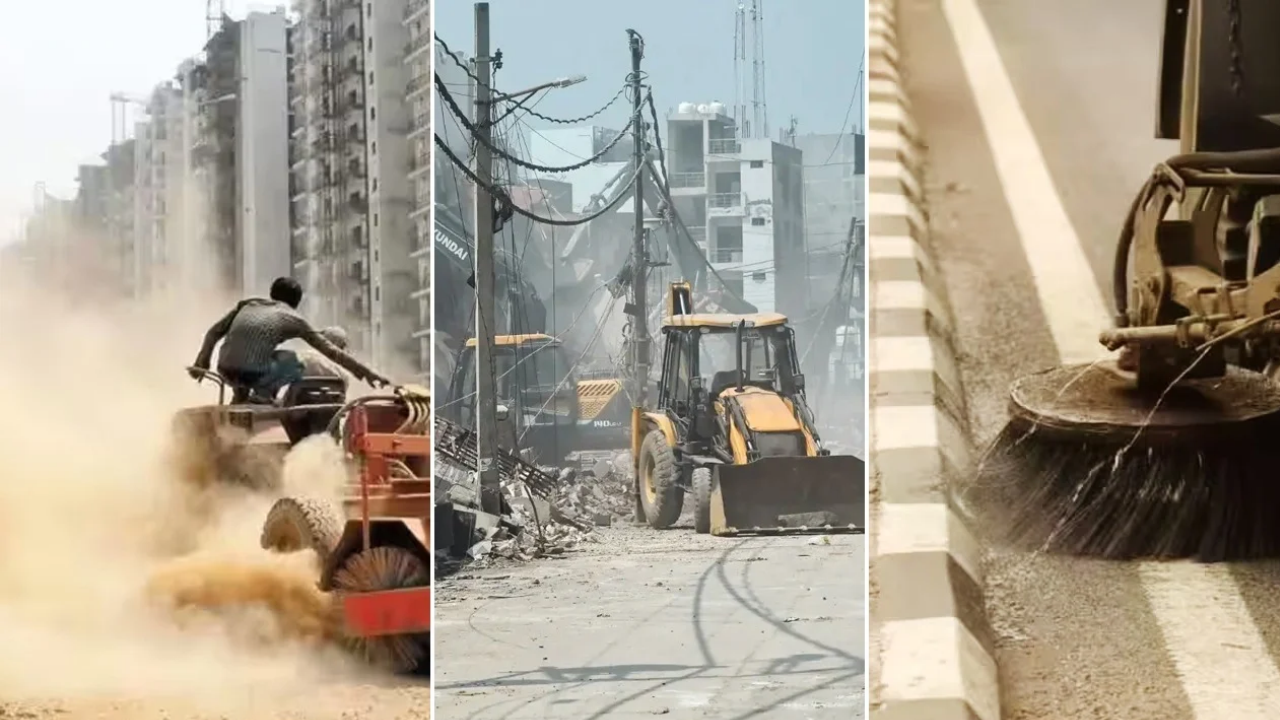
The concrete rupture emerged from a recent environmental report that documented the limited success of Delhi’s anti‑dust initiative, launched earlier this year to curb particulate matter concentrations. The campaign involved daily street sweeping, removal of construction debris, and the enforcement of stricter vehicle emission standards. Yet, monitoring stations in areas such as Anand Vihar and Najafgarh recorded PM2.5 levels well above the national safe limit, indicating that dust sources remain entrenched. Officials attributed the shortfall to inadequate compliance by construction firms and the persistence of illegal dumping practices, despite the deployment of additional enforcement teams.
Underlying tension is rooted in the fragmented governance structure that oversees Delhi’s environmental management. Multiple agencies, including the Municipal Corporation, the Pollution Control Board, and the State Government, share overlapping responsibilities, often leading to duplicated efforts and unclear accountability. Critics argue that the anti‑dust strategy lacks a robust data‑driven approach, relying instead on visible clean‑up activities without addressing the underlying sources of particulate emissions. Moreover, rapid urbanisation and the proliferation of unregulated construction sites have outpaced regulatory capacity, creating a feedback loop that perpetuates high dust levels.
The downstream impact is likely to be felt in public health metrics and future policy formulation. Persistent exposure to elevated dust concentrations has been linked to respiratory ailments, which could increase the burden on Delhi’s healthcare system during the upcoming winter months. The evident shortcomings of the current campaign may compel the municipal authorities to adopt more comprehensive measures, such as mandating real‑time dust monitoring and imposing heavier penalties for non‑compliance. In the longer term, the experience may serve as a cautionary tale for other Indian megacities attempting similar interventions, prompting a shift toward integrated air‑quality management frameworks that combine technological monitoring with stricter land‑use regulations.
Comments 0