Delhi’s Astha Kunj Corridor Remains a Persistent Crime Nexus Despite Police Efforts
Investigations into the Astha Kunj area reveal a complex web of illegal activities that have resisted law‑enforcement interventions, prompting calls for a strategic overhaul of policing tactics. Residents report escalating insecurity as criminal networks expand their reach.
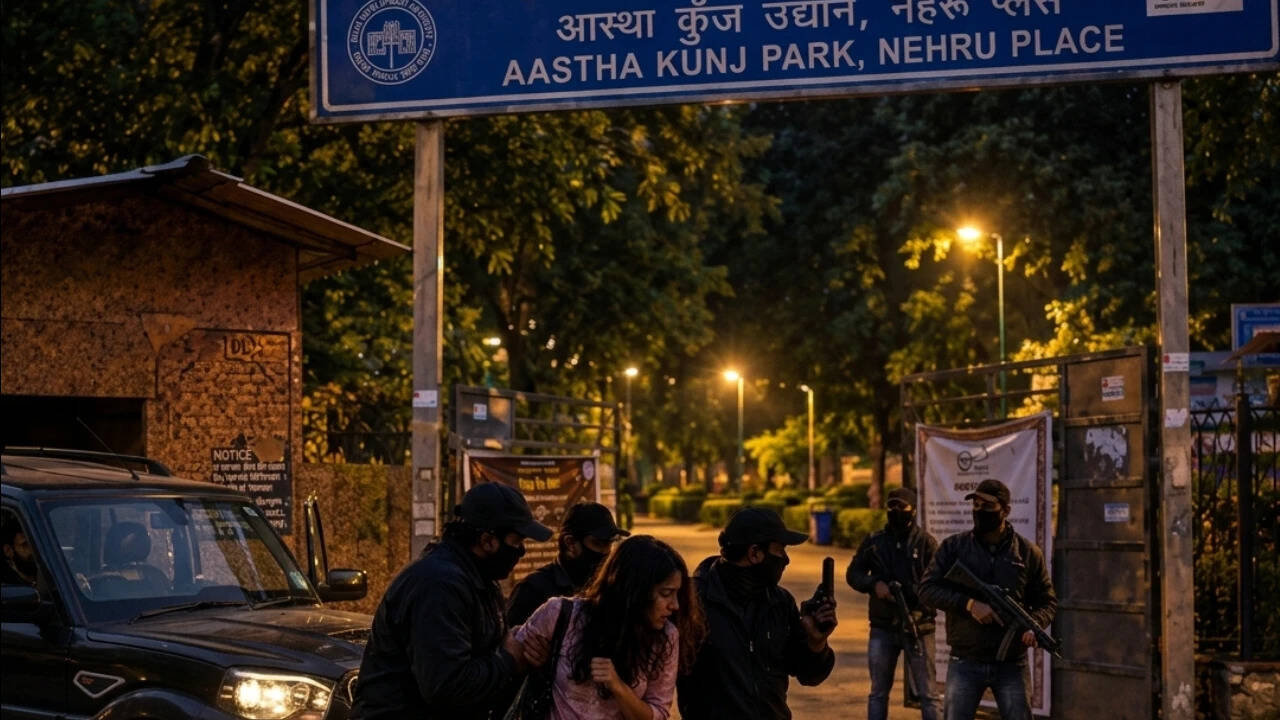
The Astha Kunj neighbourhood, long identified as a hotspot for organized crime, continues to experience a surge in illegal dealings ranging from extortion to illicit trade in contraband. Recent police filings indicate that despite multiple raids and heightened patrols, the underlying structures that enable these activities remain intact, often shielded by corrupt local officials and a lack of coordinated intelligence sharing. The persistence of this crime corridor has strained the resources of the Delhi Police, which are already stretched thin across the capital’s sprawling urban .
Community leaders have voiced frustration, noting that the sense of safety that once characterized the area has eroded, leading to a decline in local commerce and a rise in out‑migration. The police department has announced plans to deploy specialized task forces equipped with advanced surveillance tools, yet critics argue that without addressing the systemic issues of corruption and inadequate judicial follow‑through, such measures will yield only temporary relief. The situation underscores a broader challenge facing metropolitan policing in India: balancing rapid response with long‑term structural reforms.
If the current trajectory continues, the Astha Kunj corridor could serve as a template for other urban districts where crime thrives under the radar of conventional policing. Over the coming twelve months, the effectiveness of the proposed task forces will be closely watched, potentially influencing policy decisions on urban security across the nation.
Comments 0