Punjab’s Anti‑Drug Campaign Undermined by Internal Corruption, Activist Murder Highlights Risks
The killing of activist Parvinder Singh Jhota in Mansa has exposed how certain pharmacists continue to distribute prohibited substances with tacit approval from health officials. The incident threatens to erode public confidence in Punjab’s drug‑free initiative.
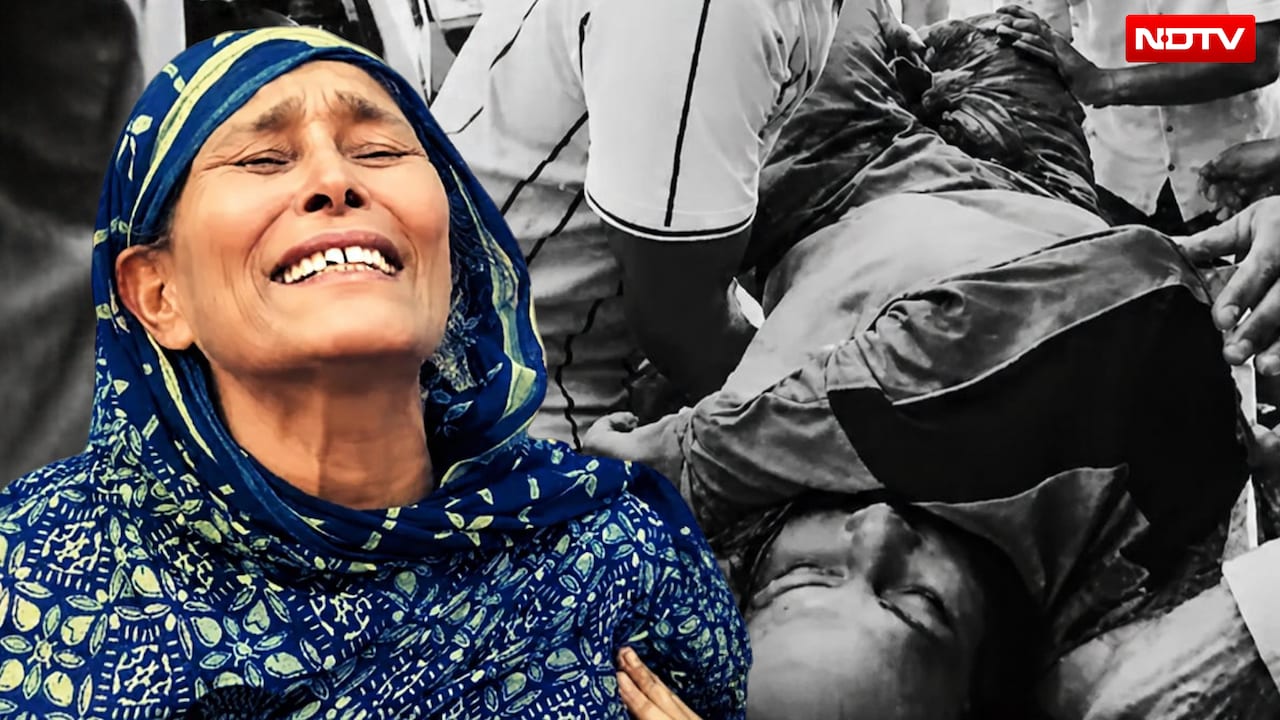
Parvinder Singh Jhota, a prominent anti‑drug campaigner, was found dead under suspicious circumstances, a development that investigators link to a network of chemists who allegedly sell controlled narcotics despite official bans. The murder has drawn attention to alleged collusion between these pharmacists and officials within the state health department, who are accused of turning a blind eye to illegal sales in exchange for bribes or political patronage. This breach of enforcement undermines the state’s declared war on narcotics, casting doubt on the efficacy of its regulatory apparatus.
The immediate fallout includes heightened public anxiety, as communities that had begun to trust law‑enforcement agencies now question their ability to protect citizens from drug‑related harm. Local NGOs have called for an independent inquiry, demanding that any officials found complicit be removed and prosecuted. The state government, meanwhile, faces pressure to demonstrate that it can enforce its own policies without bias, lest it lose legitimacy in the eyes of both citizens and the central administration.
In the longer term, the incident may compel Punjab to overhaul its drug‑monitoring mechanisms, potentially introducing digital tracking of pharmaceutical inventories and stricter licensing audits. If unchecked, the corruption could embolden criminal networks, leading to a resurgence of substance abuse and associated social ills. Over the next year, the state’s ability to restore confidence will hinge on transparent investigations and decisive punitive action against any implicated officials.
Comments 0