Delhi's Breathless Winter: The Air Quality Crisis Reaches Critical Mass
IIT Delhi has recorded an Air Quality Index of 428, marking a severe deterioration in the capital's atmospheric conditions. This spike in particulate matter poses an immediate health emergency for millions of residents and underscores the failure of existing regulatory frameworks to curb seasonal pollution.
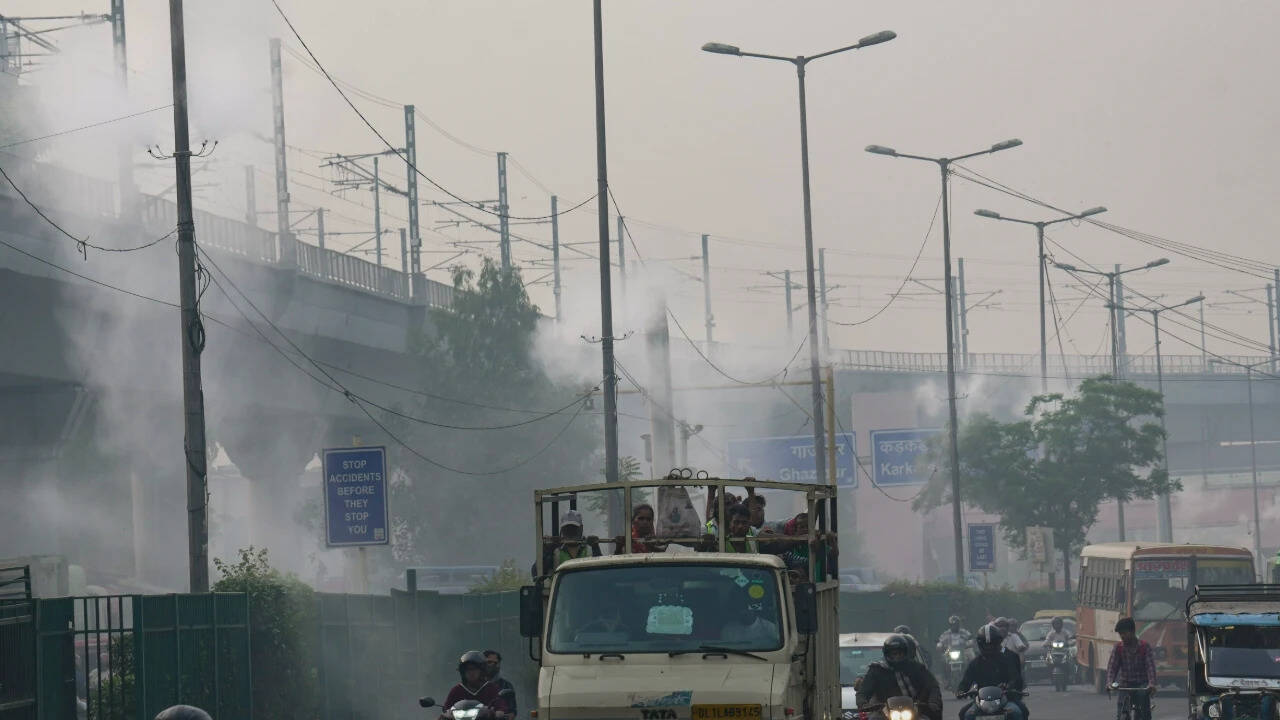
The concrete rupture in Delhi's public health infrastructure is measured not in policy documents but in the lungs of its citizens, as the Air Quality Index has surged to 428, a level classified as very poor. This is not a gradual decline but a sharp, violent spike that transforms the city into a hazardous environment where basic respiratory functions become a medical risk. The immediate shockwave is felt in hospitals, where emergency rooms are seeing a rise in cases of asthma, bronchitis, and cardiovascular distress, particularly among the elderly and children who are most vulnerable to the toxic haze.
The underlying tension lies in the persistent gap between regulatory intent and on-the-ground enforcement, a friction that has defined Delhi's winter for over a decade. Despite the implementation of the Graded Response Action Plan, the city continues to be choked by a combination of vehicular emissions, industrial activity, and crop burning from neighboring states. The institutional failure is evident in the inability of local authorities to coordinate a unified response that addresses the transboundary nature of the pollution, leaving the capital to bear the brunt of regional environmental negligence.
The downstream casualties of this crisis are tangible and severe, with the economic productivity of the city taking a direct hit as workers seek refuge indoors or cancel outdoor activities. The long-term health burden is a silent tax on the state, with increased healthcare costs and lost working days compounding the financial strain on households. This annual recurrence of the air quality crisis serves as a stark reminder of the limits of urban governance in the face of systemic environmental challenges, demanding a fundamental rethinking of how the region manages its energy and industrial footprint.
Comments 0