Delhi's Coldest October Morning Signals Early Onset of Winter Smog
Delhi recorded its coldest October morning to date, with a maximum temperature of 31.7 degrees Celsius, raising concerns about worsening air quality. The early onset of winter conditions is expected to exacerbate pollution levels, posing significant health risks to the city's residents.
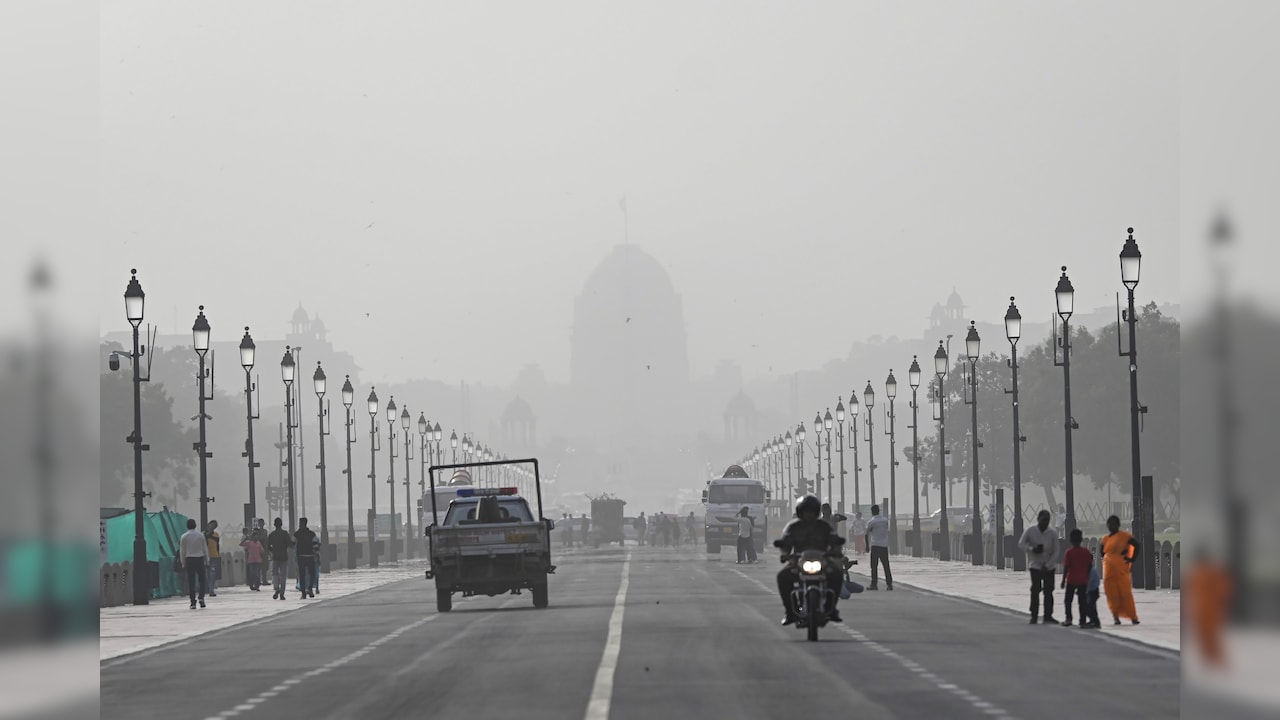
Delhi's meteorological conditions have shifted abruptly, with the city recording its coldest October morning so far, a development that has immediate implications for air quality. The India Meteorological Department reported a maximum temperature of 31.7 degrees Celsius, a significant drop that signals the early onset of winter. This concrete change in weather patterns is likely to lead to the formation of a temperature inversion, trapping pollutants close to the ground and worsening air quality. The early arrival of winter conditions poses a serious threat to public health, as residents are exposed to higher levels of particulate matter and other harmful pollutants.
The underlying tension in Delhi's environmental crisis is the conflict between urban development, industrial activity, and public health. The city's rapid growth and industrialization have led to a significant increase in pollution, while the lack of effective mitigation strategies has exacerbated the problem. The institutional friction here involves the coordination between various government agencies, local authorities, and international organizations to manage air quality. The early onset of winter adds another layer of complexity, as it requires immediate action to reduce emissions and protect public health. The challenge is to balance economic growth with environmental sustainability, a task that requires a comprehensive and coordinated approach.
The downstream impact of worsening air quality is significant for the city's residents. Increased exposure to pollutants can lead to respiratory and cardiovascular diseases, placing a heavy burden on the healthcare system. The tangible outcome is a decline in the quality of life for Delhi's residents, with potential long-term health consequences. The incident also highlights the need for more robust air quality management strategies, including stricter emission standards, increased use of public transport, and greater investment in green energy. The early onset of winter serves as a wake-up call for the city's authorities to take immediate action to mitigate the impact of pollution on public health.
Comments 0