Delhi's Diwali pollution breaks 5-year record; AQI remains high as dense fog cuts visibility
Air quality in New Delhi reached alarming levels following Diwali celebrations, breaking a five year pollution record for the post festival period. Dense smog coupled with atmospheric fog severely reduced visibility across the national capital region, creating severe hazardous air conditions.
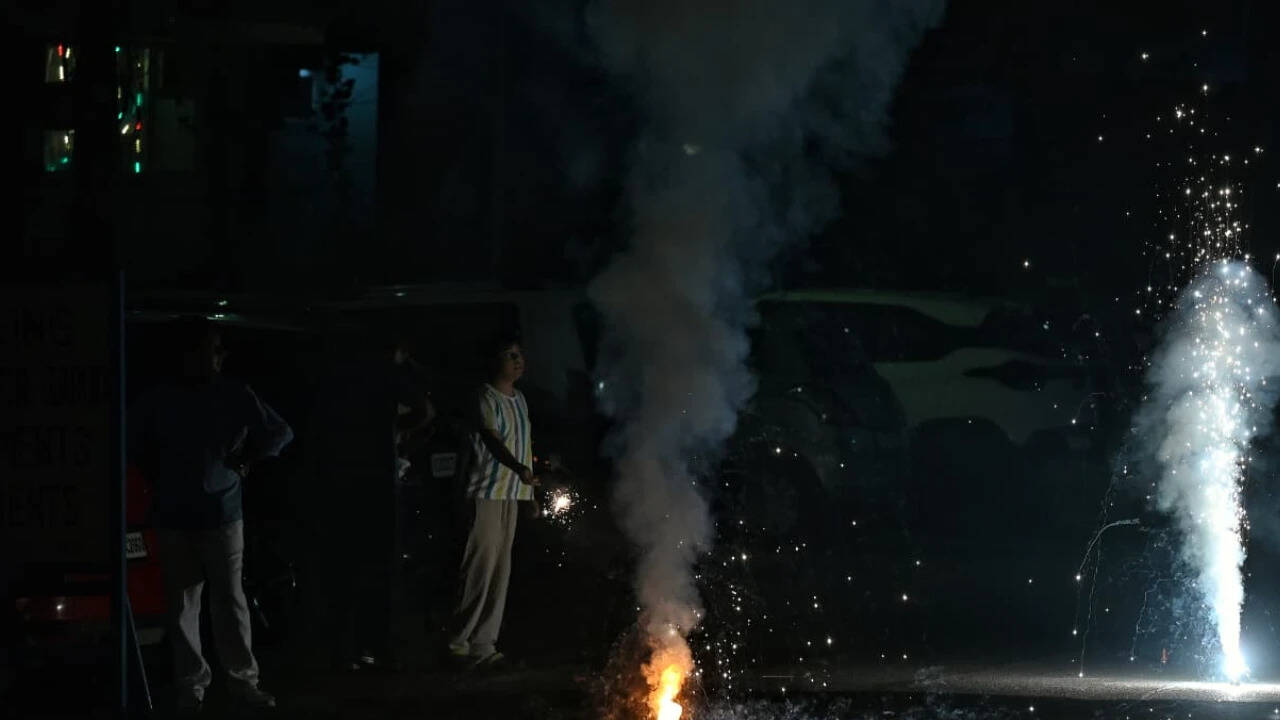
New Delhi experienced its worst post-Diwali air pollution in five years as the Air Quality Index plummeted into severe and hazardous categories across multiple monitoring stations. Dense smog blanketed the national capital region overnight, severely reducing visibility on major roads, highways, and airport runways. Local authorities reported that particulate matter levels rose rapidly following widespread firecracker usage, compounding existing seasonal pollution burdens that typically affect the city during the onset of winter.
Atmospheric conditions played a major role in trapping toxic pollutants close to the ground throughout the capital territory. Low night temperatures combined with calm wind speeds prevented the dispersion of smoke from firecrackers, vehicle emissions, and ongoing agricultural stubble burning in neighboring northern states. Transportation networks faced immediate disruption as thick visual fog forced motorists to travel at slow speeds, while aviation authorities issued advisories due to reduced runway visibility across the region.
For residents across northern India, the dangerous surge in air pollution poses severe health risks, particularly for vulnerable groups such as children, senior citizens, and individuals with pre-existing respiratory illnesses. Emergency rooms across the national capital region reported higher patient visits for breathing difficulties and eye irritation. The rapid deterioration of air quality also triggers emergency measures under the Graded Response Action Plan, which restricts diesel vehicle movements and construction activities across the region.
Comments 0