Delhi's Family Drug Network Faces Preventive Detention
A multi-generational drug syndicate operating in Delhi has been dismantled, with four family members facing preventive detention. The case highlights the deep entrenchment of narcotics trafficking in urban centers and the limitations of conventional policing strategies.
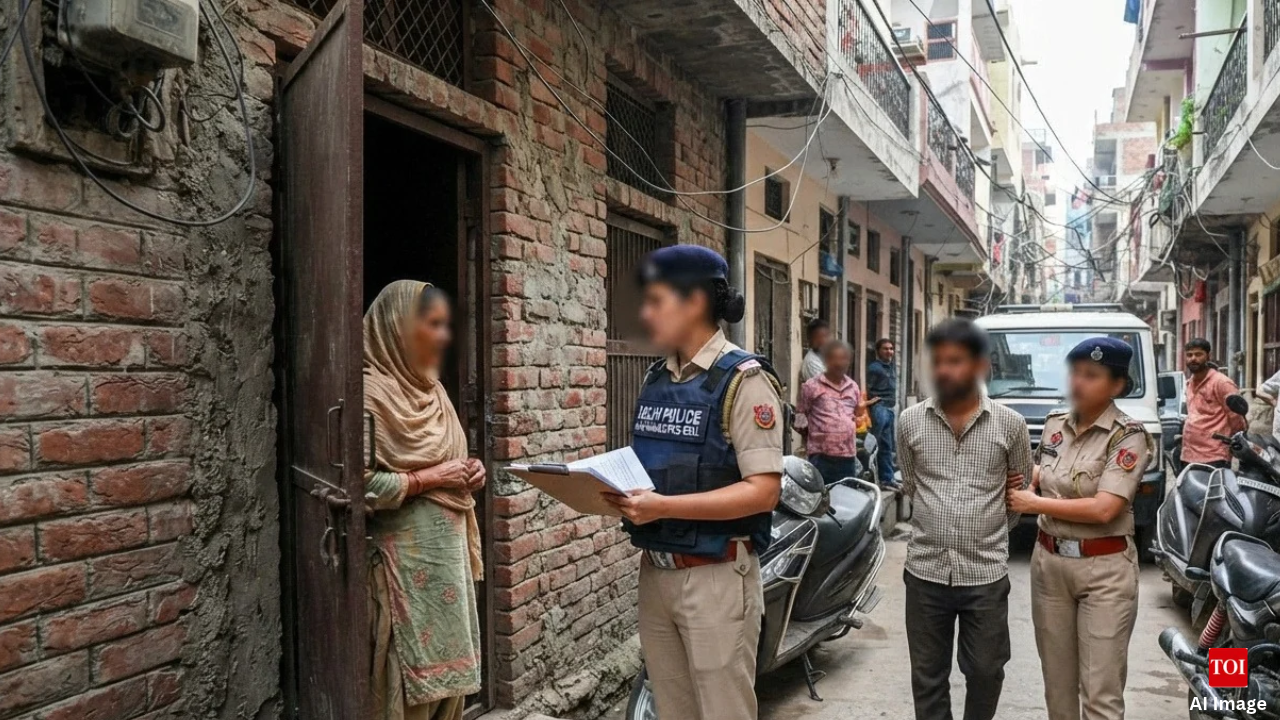
The arrest of a mother, son, daughter, and relative in Delhi marks a significant blow to a drug network that had operated with relative impunity for years. The use of preventive detention, a legal tool that allows for the detention of individuals without trial under specific circumstances, underscores the severity of the threat posed by this syndicate. The family-based nature of the operation suggests a level of trust and compartmentalization that makes infiltration and disruption particularly challenging for law enforcement agencies. This case is not an isolated incident but part of a broader pattern of organized crime exploiting familial bonds to maintain operational security.
The underlying tension in this case is the gap between the scale of the drug trade and the resources available to combat it. Delhi, as the capital, is a hub for both demand and supply, with drugs flowing in from neighboring states and international sources. The police have been under pressure to crack down on these networks, but the legal framework often limits their ability to act decisively. The use of preventive detention is a controversial move, as it raises questions about civil liberties and the presumption of innocence. However, in the face of a public health crisis, authorities are increasingly willing to bend the rules to protect the population.
The downstream impact of this crackdown is a potential shift in the strategies of other drug networks. The arrest of a family unit sends a clear message that no one is beyond the reach of the law, but it also highlights the need for a more comprehensive approach to drug control. This includes not just law enforcement but also public health initiatives and social support for those affected by addiction. The tangible outcome of this case is a reduction in the supply of drugs in Delhi, but the real test will be whether this leads to a sustained decrease in drug-related crimes and deaths.
Comments 0