Vijay's Shadow Falls on the Delimitation Debate
Tamil Nadu Chief Minister Vijay's electoral dominance has created a political vacuum that now dictates the national conversation on constituency redrawing. The upcoming special parliamentary session on the delimitation bill is being viewed less as a technical exercise and more as a referendum on the balance of power in the South.
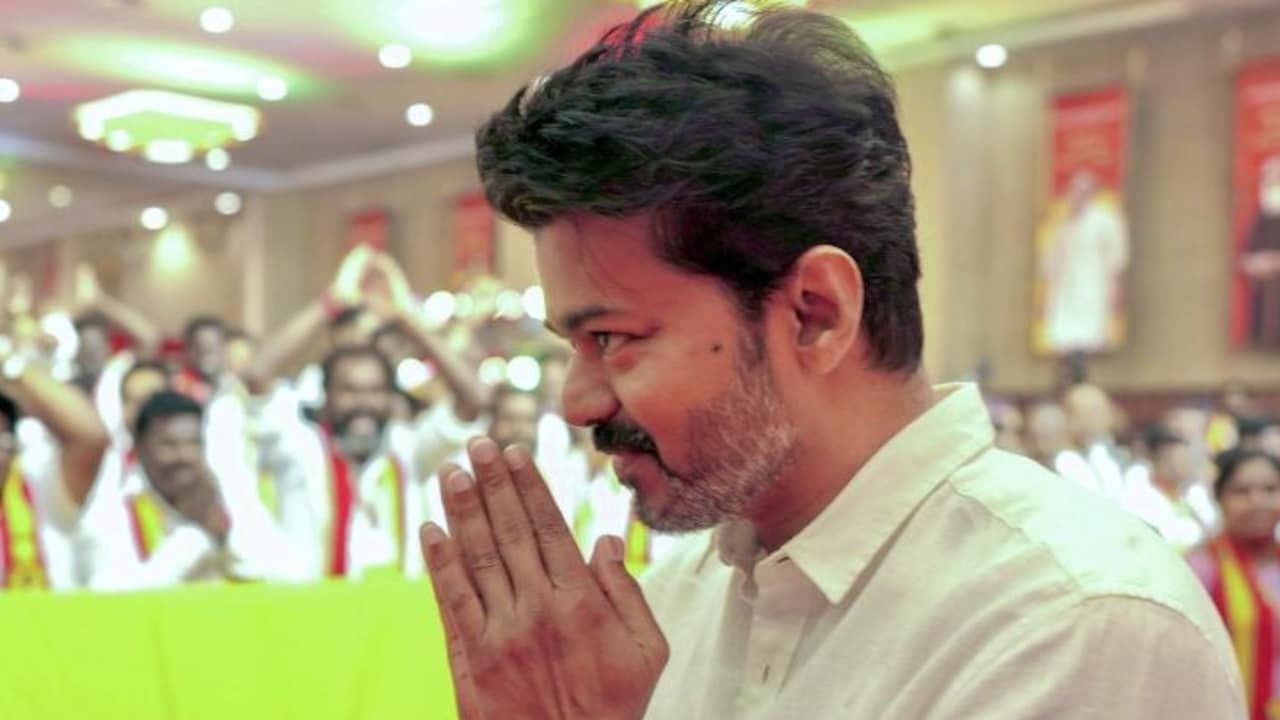
The political calculus in New Delhi has shifted decisively toward Chennai. While Vijay holds no direct seat in Parliament, his influence over the Tamil Nadu assembly and the broader electoral has become so profound that any legislative move affecting the state's representation is now scrutinized through the lens of his political trajectory. The proposed delimitation bill, which seeks to redraw constituency boundaries based on the latest census data, is no longer a dry administrative task. It has become the central battleground for the next general election, with opposition parties and the ruling coalition both positioning themselves to appeal to or counter the sentiment that Vijay has cultivated among the state's electorate.
The underlying tension lies in the potential for this redrawing to dilute or amplify the voting power of specific demographics. Critics argue that the timing of the bill, coinciding with a period of heightened political sensitivity in the South, is a strategic maneuver to lock in the current demographic advantages before the next census. The institutional friction is palpable, with state governments demanding greater autonomy in the process, while the central government insists on uniformity. This clash of jurisdictions is not merely procedural; it strikes at the heart of federalism and the distribution of political capital across India's diverse regions.
The downstream consequences of this legislative push are already visible in the realignment of party alliances. Smaller regional parties are finding themselves squeezed between the two major national blocs, forced to make choices that may define their relevance for the next decade. The ultimate casualty of this political maneuvering is the integrity of the electoral process itself, as the focus shifts from fair representation to strategic advantage. The next general election will not just be a contest of ideas but a test of how well the new boundaries serve the political ambitions of those who drew them.
Comments 0