Delhi's Housing Crisis: 36 Lives Lost to Collapses This Year
Thirty-six residents have perished in house collapses across Delhi this year, underscoring the city's acute housing infrastructure deficit. The recurring nature of these tragedies points to a systemic failure in building safety regulations and urban planning enforcement.
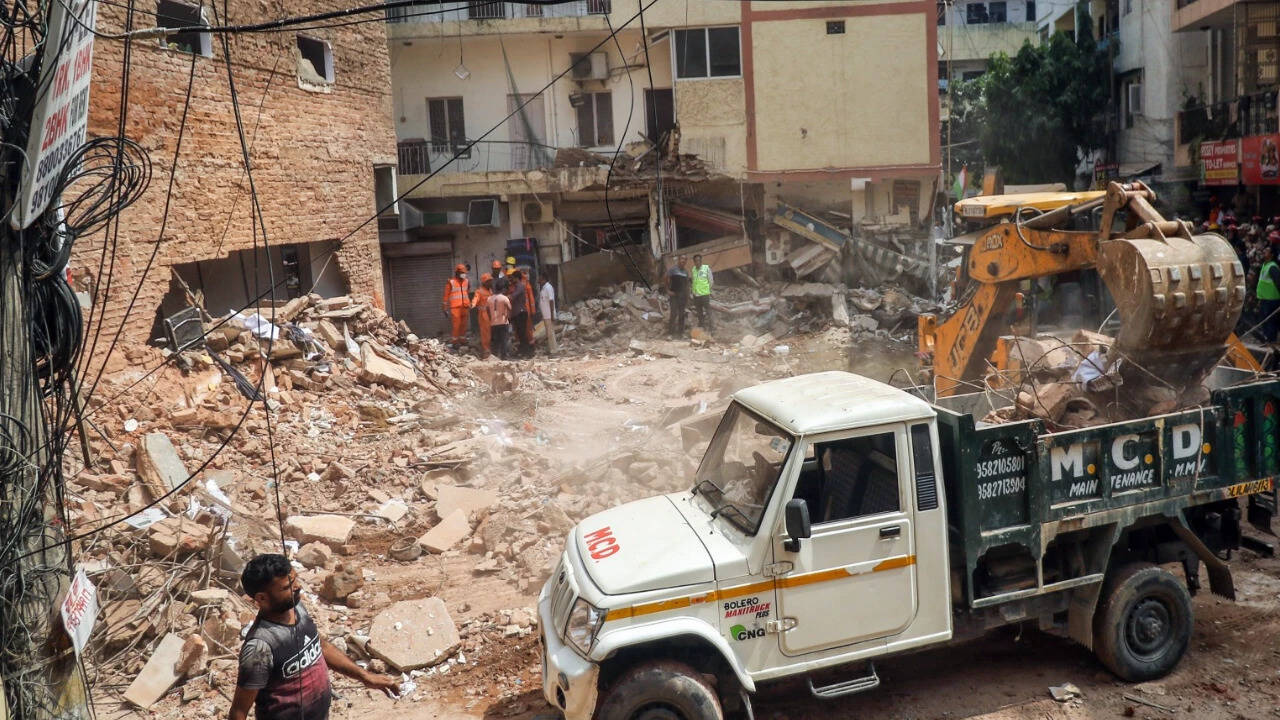
The death toll of 36 individuals in house collapses across Delhi this year is a grim to the city's deteriorating housing stock. These incidents are not isolated events but symptoms of a deeper structural malaise in the capital's urban fabric. The concentration of these tragedies in specific neighborhoods highlights the vulnerability of informal settlements and aging residential structures. The immediate impact is a profound sense of insecurity among residents, who live in constant fear of structural failure, particularly during the monsoon season.
The underlying tension in this crisis stems from the gap between rapid urbanization and the pace of infrastructure development. Delhi's population growth has outstripped the capacity of its housing and regulatory frameworks, leading to a proliferation of substandard construction. Institutional friction is evident in the inconsistent enforcement of building codes and the lack of a comprehensive inspection regime. This regulatory vacuum allows for the construction of unsafe structures, which eventually fail under the weight of time and weather, resulting in preventable loss of life.
The downstream consequences of this housing crisis are far-reaching, affecting both public health and urban governance. The loss of life has sparked calls for stricter enforcement of building regulations and the establishment of a dedicated housing safety authority. The tangible outcome is a likely shift in policy towards proactive inspection and retrofitting of vulnerable structures, which will require significant public investment. This incident also serves as a wake-up call for other rapidly growing Indian cities, which face similar challenges in managing their housing stock.
Comments 0