Delhi's post-Diwali pollution eases: AQI falls to 299, but 24 monitoring stations remain in 'very poor' category
Air quality in Delhi has improved after the Diwali festival, with the Air Quality Index falling to 299. However, 24 monitoring stations still report 'very poor' air quality, indicating that pollution levels remain a significant health concern.
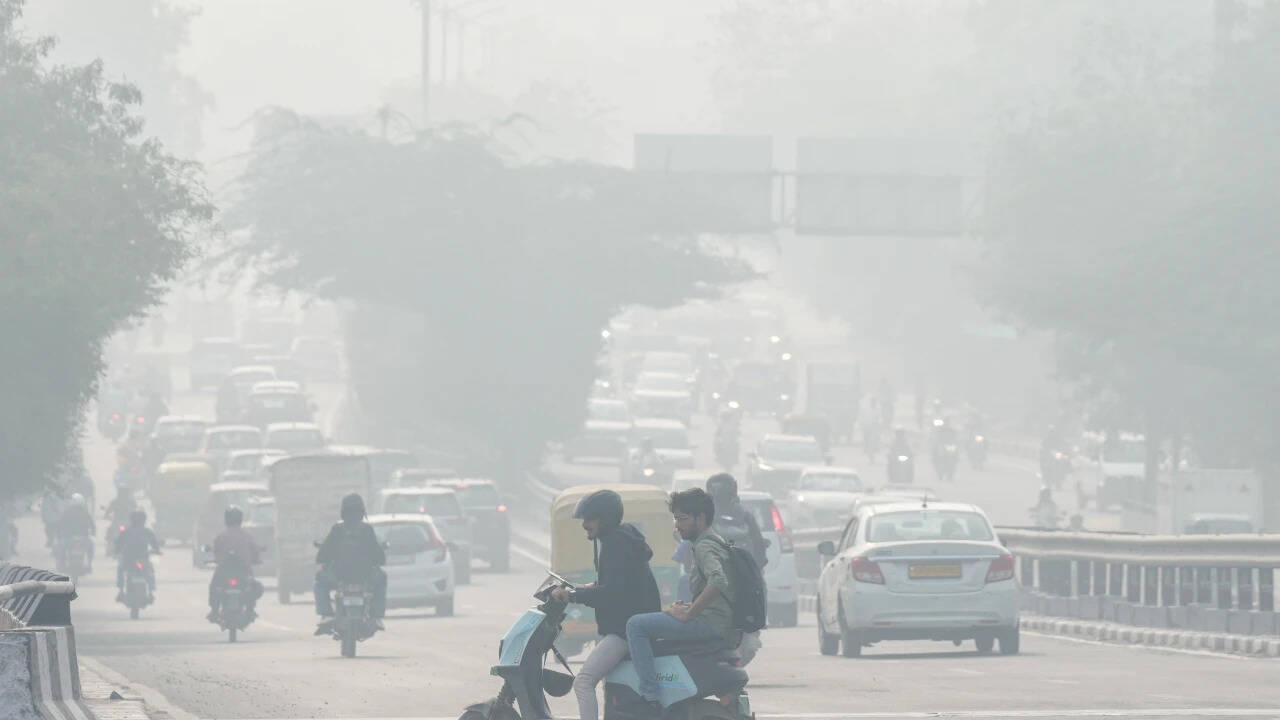
Delhi’s air quality has shown a modest improvement in the days following the Diwali festival, with the overall Air Quality Index (AQI) dropping to 299. This decline from the peak levels recorded during the festival period is a welcome sign for residents who have struggled with severe smog. The reduction is attributed to a combination of meteorological factors and the cessation of firecracker usage. However, the improvement is not uniform across the city, and many areas continue to experience hazardous air conditions that pose risks to respiratory and cardiovascular health.
Despite the overall drop in the AQI, 24 monitoring stations across the National Capital Territory still classify the air quality as 'very poor.' This indicates that localized pollution sources, such as vehicle emissions, industrial activity, and dust from construction sites, remain active contributors to the problem. The persistence of high pollution levels in specific zones suggests that short-term improvements are not enough to ensure a healthy living environment. Residents in these areas are advised to take precautions, such as wearing masks and limiting outdoor activities, to minimize their exposure to harmful particulate matter.
For readers in India, the ongoing struggle with air pollution in Delhi is a critical public health issue that affects millions. The city’s air quality serves as a barometer for broader environmental challenges in urban India, where rapid industrialization and population growth strain local ecosystems. Understanding the nuances of AQI readings helps residents make informed decisions about their daily routines. It also underscores the need for sustained policy interventions and public awareness campaigns to address the root causes of pollution, rather than relying solely on temporary improvements during festive periods.
Comments 0