Delhi’s Shoe‑Repair Initiative Restores Livelihoods
A community‑run programme in Delhi’s southern districts teaches unemployed workers to mend shoes, providing a modest but steady income to hundreds of families. The scheme illustrates how low‑cost skill training can generate tangible economic uplift in urban informal sectors.
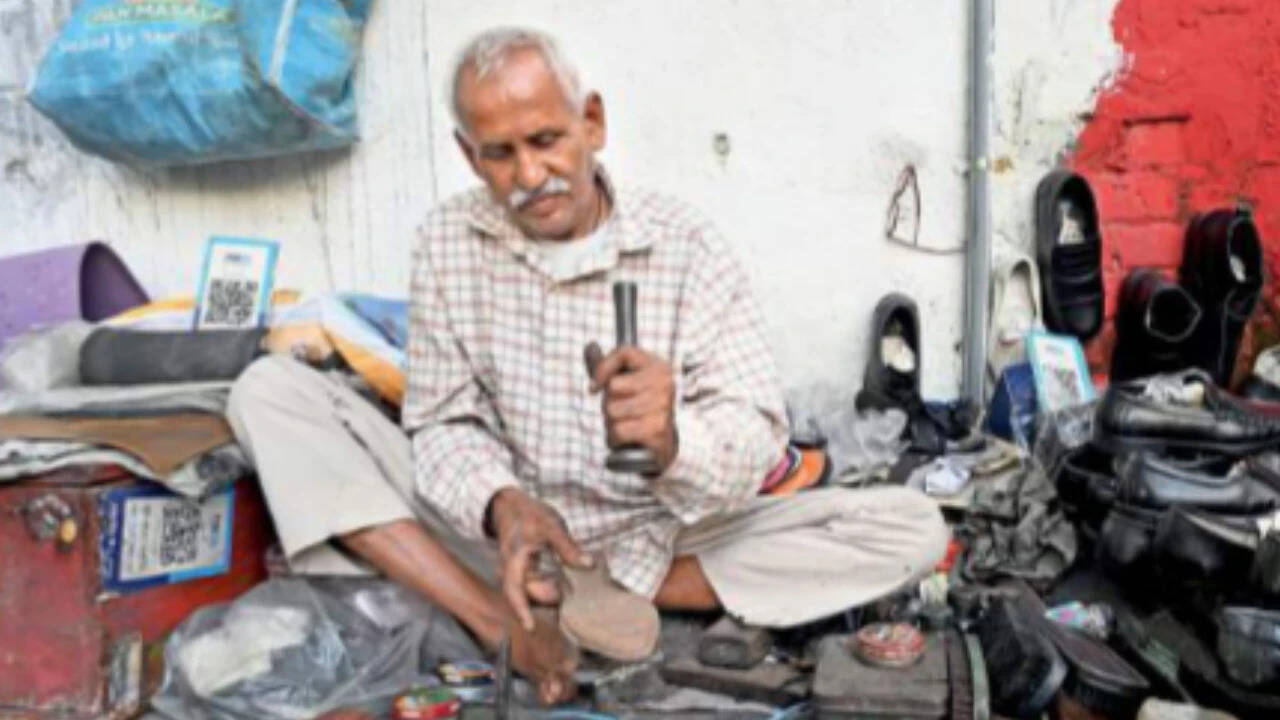
The concrete rupture began when a municipal partnership with a local non‑governmental organisation set up a series of workshops in under‑served neighbourhoods, offering tools, materials, and basic training in shoe repair. Participants, many of whom had lost daily‑wage jobs during recent economic slowdowns, gathered each morning to learn stitching techniques, sole replacement, and customer service basics. Within weeks, the trainees were able to service their own communities, repairing footwear for schoolchildren, market vendors, and commuters, thereby creating a micro‑economy that circulated cash locally.
Underlying tension lies in the broader challenge of urban unemployment, where rapid population growth outpaces the creation of formal jobs. The initiative confronts institutional friction between municipal authorities, who seek cost‑effective welfare solutions, and traditional trade unions that view informal skill programmes as competition. By focusing on a trade that requires minimal capital investment, the project sidesteps many bureaucratic hurdles, yet it also raises questions about the scalability of such models across the sprawling metropolis.
The downstream impact is already evident: participating families report increased financial stability, reduced reliance on government assistance, and a renewed sense of dignity. Local markets have begun to recognise the value of affordable repair services, leading to informal networks that connect artisans with customers beyond their immediate neighbourhoods. Observers suggest that the programme could serve as a template for other skill‑based interventions, potentially influencing policy decisions on urban poverty alleviation.
Comments 0