Delhi's VIP Paradox: Commuters Stranded as Elite Movements Gridlock the Capital
Commuters bound for Delhi's airport were stranded for over two hours due to VIP movements that disrupted key crossings. The incident has drawn sharp criticism of the city's traffic management, highlighting the systemic inequality in urban mobility where the needs of the few override the flow of the many.
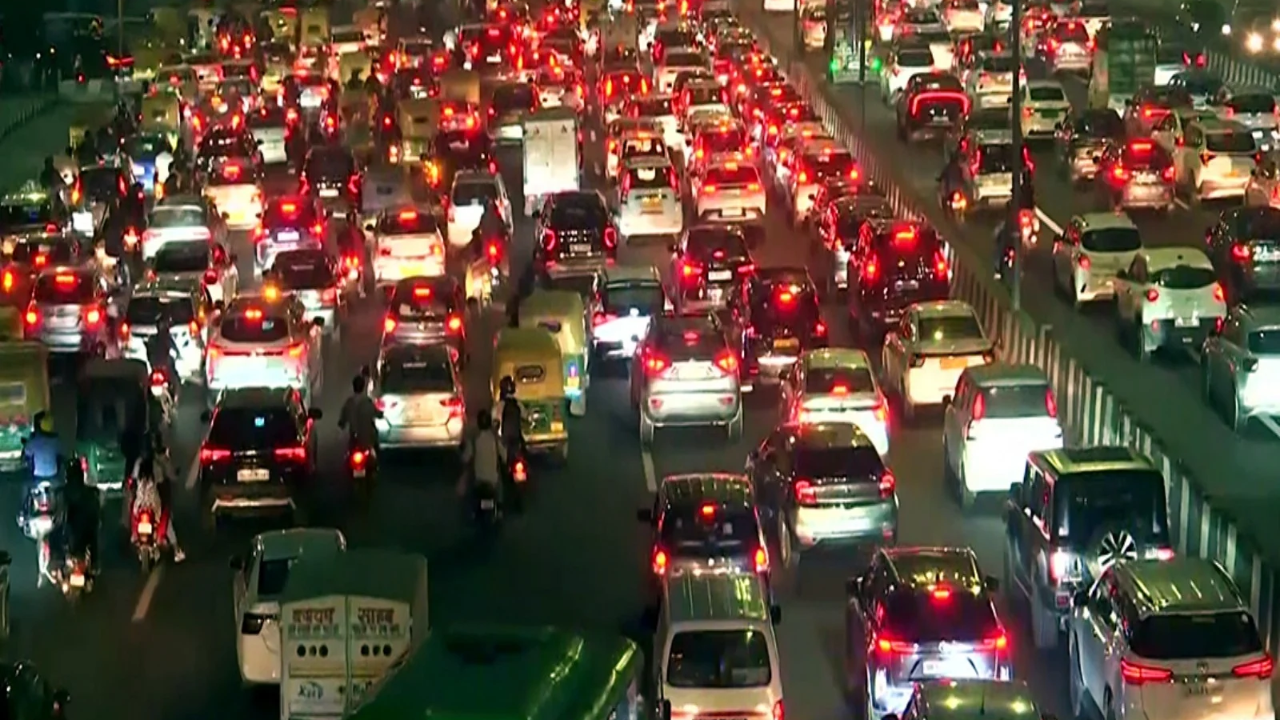
The concrete rupture is the two-hour delay experienced by airport-bound commuters due to VIP movements. This is not an isolated incident but a recurring feature of Delhi's urban , where the movement of political and corporate elites takes precedence over the daily needs of the general public. The disruption of key crossings is a direct result of the city's failure to manage the competing demands of security and mobility. The helpline's inability to provide timely information further exacerbated the frustration, leaving commuters stranded in a system that prioritizes the few over the many. The incident is a stark reminder of the inequality embedded in Delhi's infrastructure.
The underlying tension is the structural bias in urban planning that favors the elite. The VIP movement protocol is designed to ensure the safety and punctuality of high-profile individuals, but it does so at the cost of the general public's time and convenience. This friction is a symptom of a broader failure in governance, where the needs of the many are subordinated to the needs of the few. The traffic chaos is not just a logistical problem but a political one, reflecting the power dynamics that shape the city's daily life. The fact that this happens repeatedly suggests that there is no political will to reform the system.
The downstream casualties are the ordinary citizens who are forced to bear the cost of elite mobility. The loss of time, the stress of being stranded, and the potential financial losses from missed flights are all tangible consequences of this system. The tangible outcome is a growing public resentment towards the government's handling of urban traffic. The incident will likely fuel calls for reform, but without a fundamental change in the power dynamics, the problem is likely to persist. The VIP paradox is a microcosm of the broader inequality in Indian cities, where the rich and powerful get to move freely while the rest are stuck in traffic.
Comments 0