Dharashiv Scrambles to Shield Declining Water Reserves Amid Severe Drought
Severe drought conditions in Maharashtra's Dharashiv district have forced local authorities to institute emergency protective measures for dwindling drinking-water sources. The crisis highlights the acute vulnerability of rural agricultural districts to prolonged precipitation deficits.
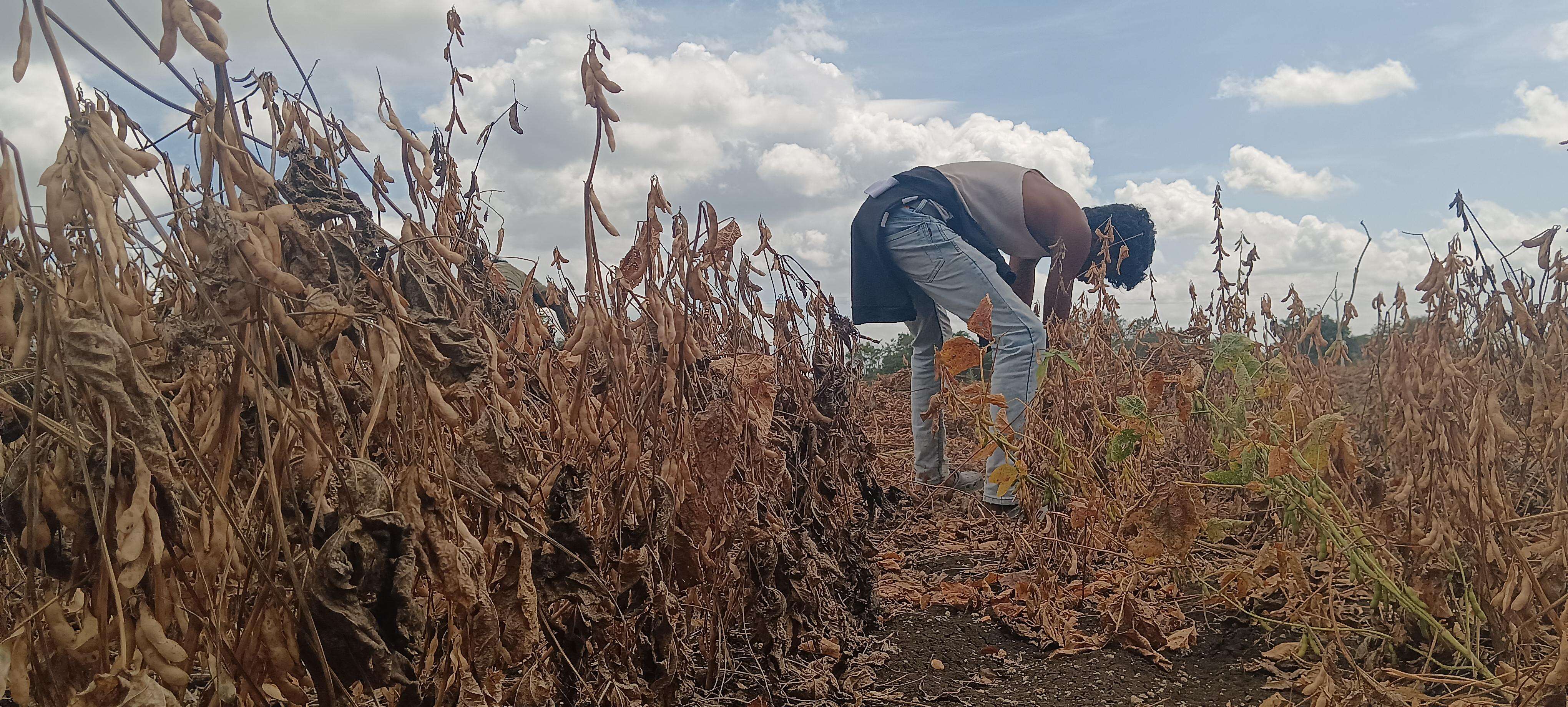
The parched plains of Dharashiv are confronting an existential resource crisis as late-season heat accelerates the depletion of local reservoirs and groundwater tables. District authorities have initiated emergency containment protocols, restricting non-essential agricultural abstraction to safeguard remaining municipal drinking-water supplies. Armed patrols and community monitoring committees are being deployed to prevent unauthorized tapping of pipelines as public anxiety mounts over the shrinking availability of potable water. This localized emergency exposes the systemic fragility of rural water management infrastructure across central India. Successive seasons of deficient rainfall have overwhelmed traditional percolation ponds and shallow borewells, rendering rural communities heavily dependent on intermittent tanker supplies. Local administrative bodies find themselves trapped between angry agrarian constituencies demanding irrigation water for surviving crops and urban populations requiring basic hydration, creating profound social friction within the district. The immediate consequence of this drought will be accelerated agrarian distress and forced seasonal migration toward urban industrial centers. Without substantive investments in watershed regeneration and piped canal connectivity, rural Dharashiv faces long-term depopulation and permanent agricultural contraction as subsurface aquifers fail to recharge.
Comments 0