Digital Screens Transform Laxmi Road’s Diwali Bazaar
Shoppers on Pune’s Laxmi Road have turned to video calls to secure festive purchases as crowds swell during Diwali, reshaping traditional market dynamics. The shift illustrates how technology mitigates congestion while preserving the cultural fervour of the season.
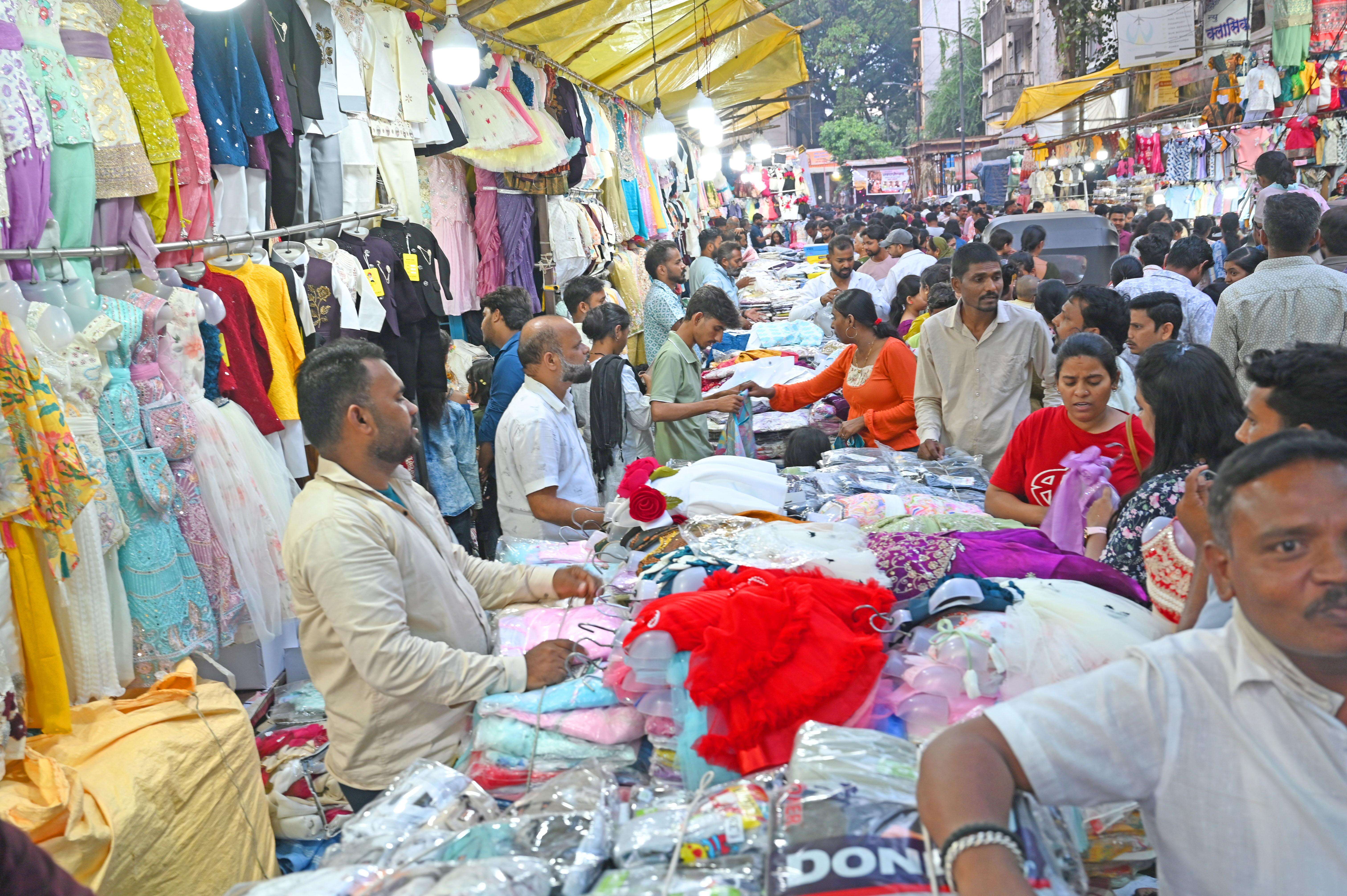
As Diwali approached, the historic lanes of Laxmi Road, famed for its glittering array of lamps and sweets, became a crucible of foot traffic that threatened to overwhelm both merchants and buyers. In response, a coalition of shop owners launched a coordinated video‑call platform that allowed patrons to inspect merchandise, negotiate prices, and finalize transactions from the safety of their homes. The initiative, initially piloted by a handful of jewellery stalls, quickly proliferated across textile and confectionery outlets, drawing a digital crowd that rivaled the physical one.
The underlying tension lies in the market’s struggle to balance age‑old customs with modern safety concerns. While the festive rush traditionally fuels economic vitality for small traders, the pandemic‑induced caution among consumers forced a re‑evaluation of in‑person commerce. Municipal authorities, wary of potential health hazards, tacitly endorsed the virtual model, providing limited bandwidth support and encouraging vendors to adopt contact‑less payment methods. This collaboration between civic bodies and private merchants highlighted a rare convergence of regulatory flexibility and entrepreneurial ingenuity.
The tangible outcomes extend beyond immediate sales figures. Vendors report a surge in orders from customers who previously could not navigate the congested aisles, while the reduced footfall has lowered the incidence of petty theft and accidental injuries. Moreover, the digital experiment has sparked discussions about permanent hybrid market models, suggesting that post‑Diwali, a portion of the virtual infrastructure may remain to complement the traditional bazaar, thereby broadening the reach of local artisans beyond regional boundaries.
Comments 0