Digital Siege: Omar Abdullah Condemns Internet Curbs as New Delhi Mirrors Jammu and Kashmir
Former Chief Minister Omar Abdullah has drawn a stark parallel between current internet restrictions in New Delhi and the prolonged digital curbs in Jammu and Kashmir. This comparison underscores a growing national concern that civil liberties are being eroded in the capital in response to the CJP protests.
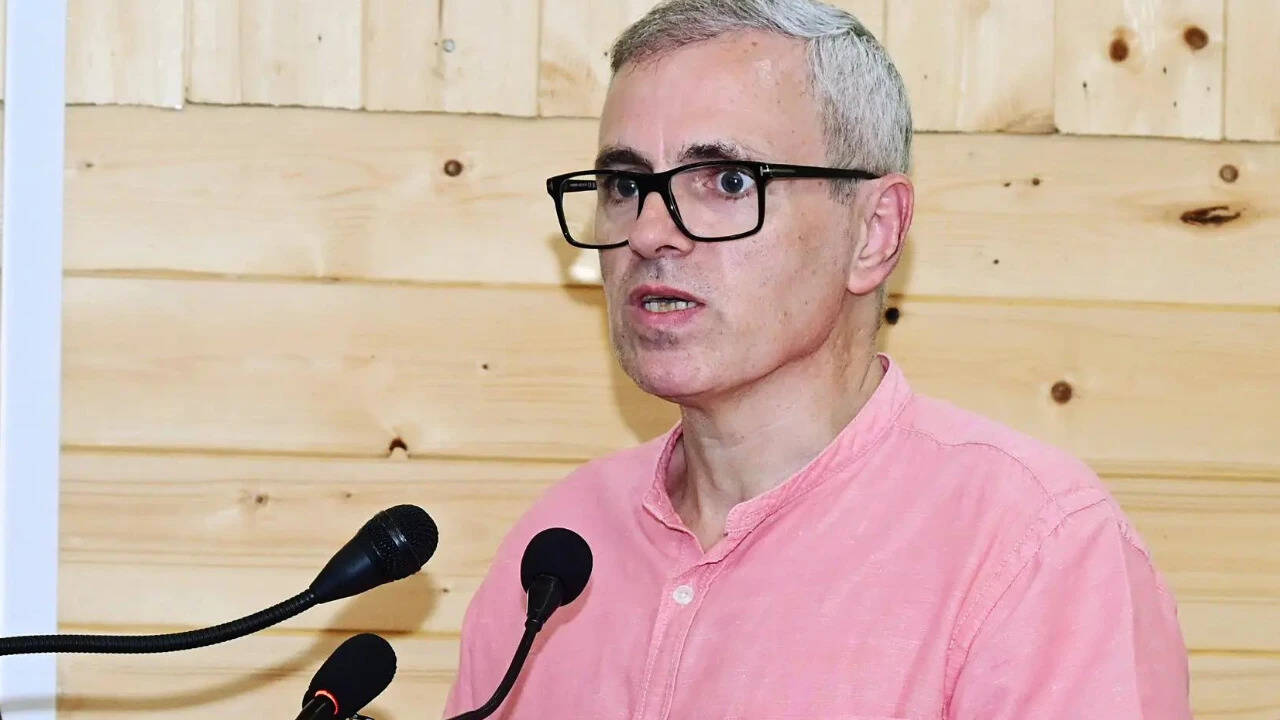
Omar Abdullah, a prominent political figure from Jammu and Kashmir, has issued a pointed critique of the internet curbs imposed in New Delhi, stating that the capital is being modelled after the digital restrictions that have long plagued his home state. This assertion highlights a significant shift in the geographic scope of digital censorship, which was previously associated primarily with the union territory of Jammu and Kashmir. The curbs in Delhi, enacted in the context of the CJP protests, have effectively silenced dissent and disrupted communication for millions of residents, raising alarms about the normalization of such measures in India's political heartland.
The institutional friction here is palpable, as the executive branch justifies these curbs as necessary for maintaining public order and security during periods of civil unrest. However, critics argue that the blanket nature of the internet shutdowns is disproportionate and violates the fundamental right to freedom of speech and expression. The parallel drawn by Abdullah suggests a systemic approach to managing dissent, where digital isolation is used as a primary tool to suppress opposition and control the narrative. This approach reflects a broader trend in governance where the state's response to protest is increasingly characterized by pre-emptive restriction rather than engagement.
The tangible outcome of these curbs is a fragmented public sphere, where citizens are unable to coordinate, share information, or seek assistance in times of crisis. For businesses and individuals in Delhi, the disruption has led to economic losses and a decline in trust in government institutions. The long-term consequence is a chilling effect on civic participation, as the fear of digital surveillance and restriction discourages open discourse. This development marks a critical juncture in India's democratic trajectory, where the balance between security and liberty is being tested in the nation's most visible urban center.
Comments 0