Diplomatic Absence At BRICS Banquet Highlights Ongoing Domestic Political Friction
The conspicuous absence of prominent opposition chief ministers from a high-profile international summit dinner laid bare domestic political rivalries in India. While federal organizers curated an expansive culinary showcase representing diverse regional cuisines, the diplomatic boycott underscored persistent federal-state tensions.
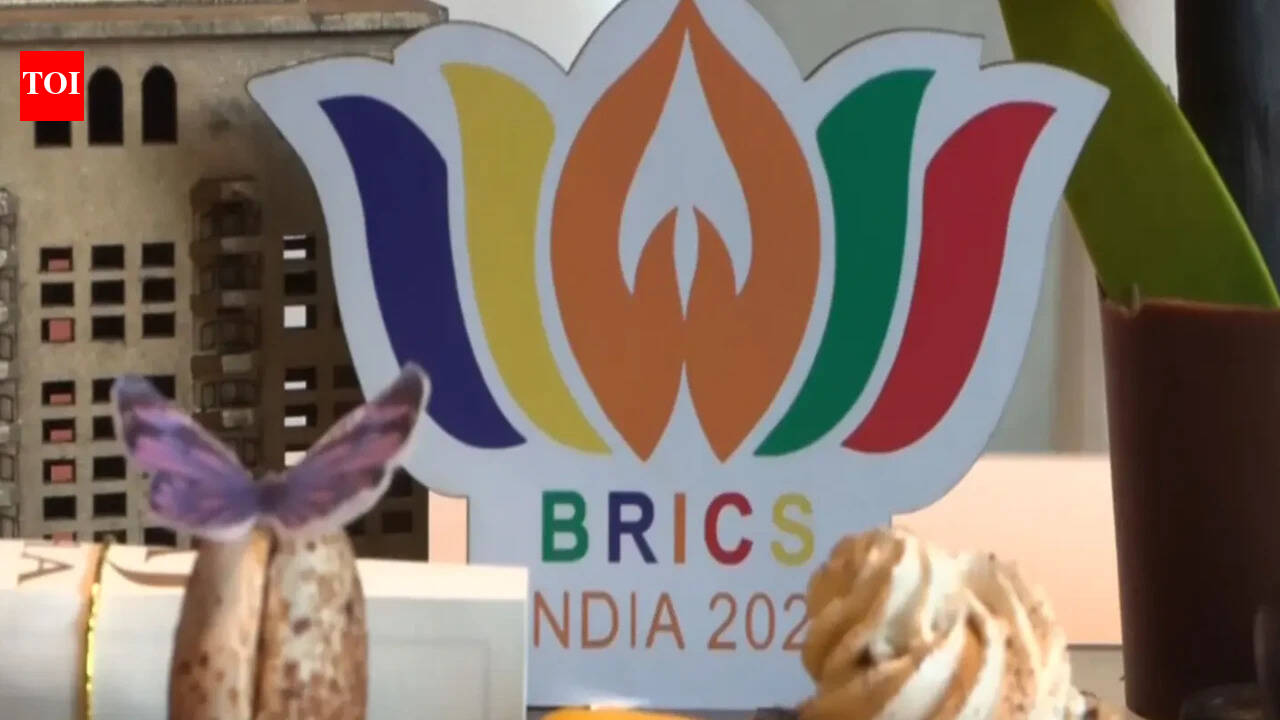
The decision by several opposition-affiliated chief ministers to decline invitations to the high-level international diplomatic dinner injected domestic political controversy into a major geopolitical gathering. The event, designed to project national cultural unity and economic prominence to foreign delegates, instead became a staging ground for ongoing friction between regional leaders and the central government. The curated menu featured an exhaustive array of traditional delicacies ranging from southern coastal specialties to old Delhi culinary heritage, intended to impress visiting dignitaries. Behind closed doors, the snub reflects deep-seated grievances concerning resource allocation, federal oversight, and the protocol accorded to opposition figures during international engagements. Central organizers maintained that the summit transcended partisan divides, emphasizing the national interest of projecting a cohesive diplomatic front. Conversely, regional camps defended the boycotts as a necessary stance against what they perceive as systematic marginalization of non-aligned state administrations. This diplomatic cold shoulder reinforces the hardening lines of political polarization within the country, complicating efforts to present a unified posture on foreign trade and investment. While foreign delegates focused on the substantive economic dialogues, the local political fallout demonstrated how deeply partisan rivalries permeate even international statecraft. The episode leaves federal-state communication channels further strained as both sides prepare for upcoming legislative confrontations.
Comments 0