Goyal Defends US Trade Pact as Shield for Sensitive Sectors
Commerce Minister Piyush Goyal has asserted that the emerging US trade framework will rigorously protect sensitive domestic industries from foreign predation. This declaration aims to quell industry anxieties while positioning the accord as a strategic instrument for market access rather than mere tariff reduction.
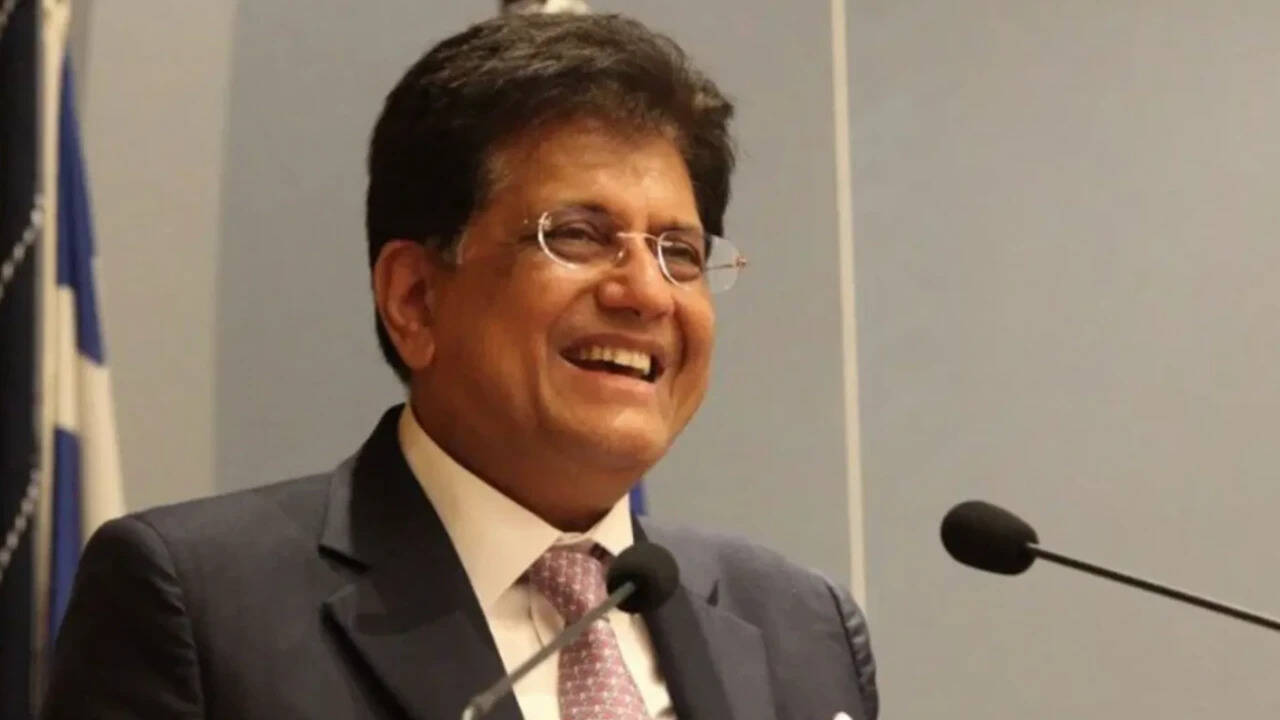
The concrete rupture in the ongoing trade negotiations has been framed by the government not as a concession, but as a defensive maneuver. Piyush Goyal, speaking to stakeholders, emphasized that the deal’s architecture specifically insulates sensitive sectors from the immediate shock of unrestricted foreign competition. This stance marks a departure from the more aggressive liberalization rhetoric of previous administrations, signaling a recalibration of India’s trade posture to prioritize domestic industrial stability over rapid market opening.
The underlying tension stems from the deep-seated fear among Indian manufacturers that US market access is being traded for the dismantling of protective barriers. Institutional friction has been high, with industry bodies lobbying for exemptions while the government seeks to maintain diplomatic leverage with Washington. The minister’s intervention serves to bridge this gap, offering a political guarantee that the economic calculus of the deal does not come at the cost of domestic livelihoods in vulnerable sectors.
The downstream outcome is a stabilization of investor sentiment in the protected sectors, allowing them to plan for long-term growth without the immediate threat of displacement. However, this protectionist tilt may limit the scale of US investment in these specific areas, creating a bifurcated market where only non-sensitive industries benefit fully from the new trade corridors. The tangible result is a cautious optimism among domestic players, balanced by the strategic patience required to navigate the complex implementation of these safeguards.
Comments 0