Diplomatic Outreach and Regional Maneuvering: Dhaka Invited to Multilateral Fora
New Delhi has confirmed that the former Bangladeshi Prime Minister received formal invitations for multilateral economic summits and bilateral engagements. The diplomatic disclosure highlights shifting geopolitical alignments in South Asia following rapid regime transitions.
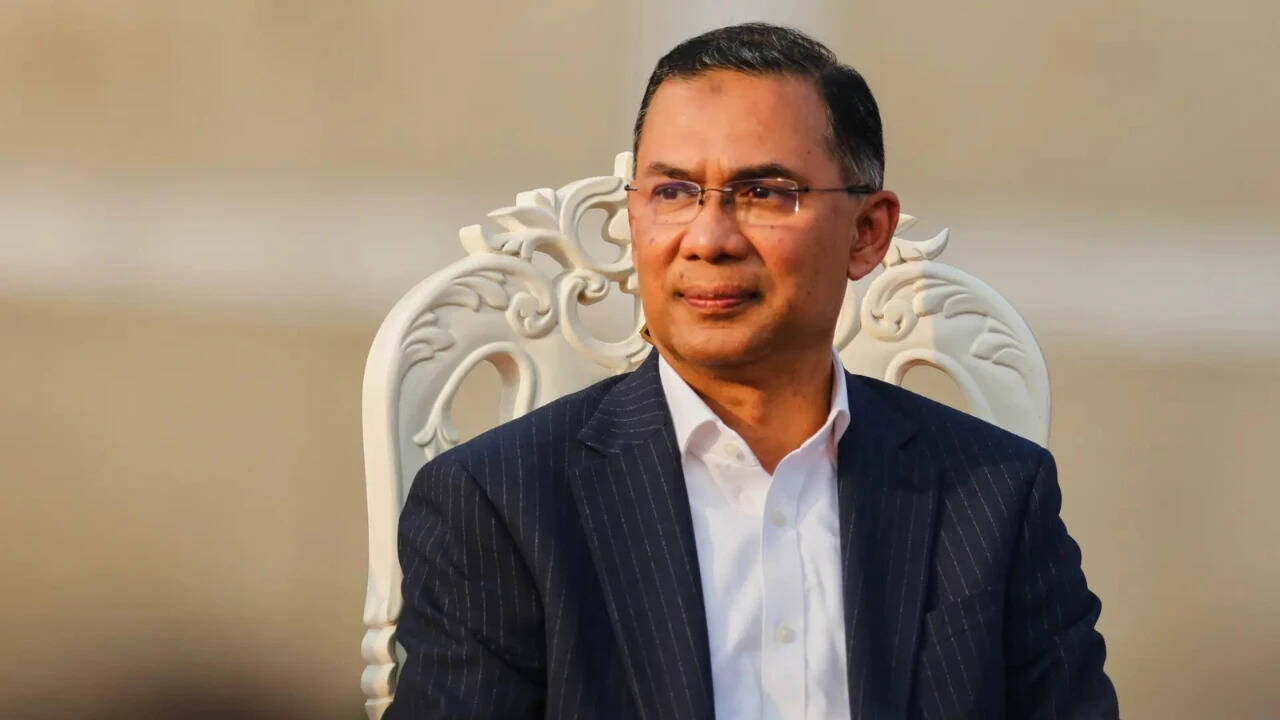
Recent diplomatic disclosures from regional capitals have brought renewed attention to the delicate balance of power in the eastern subcontinent. The formal confirmation regarding high-level international invitations underscores the ongoing diplomatic chess match surrounding exiled or transitioning leadership across South Asian borders. Foreign policy establishments are carefully calibrating their public posture to manage bilateral stability while addressing domestic political sensitivities in neighboring states. Institutional friction between security ministries and diplomatic corps has intensified as foreign ministries attempt to maintain channels with displaced political figures without alienating incumbent administrations. Intelligence agencies and career diplomats find themselves navigating conflicting mandates: preserving long-term strategic investments in neighboring stability versus accommodating immediate geopolitical realignments. This tension exposes the limits of traditional non-interference doctrines in an era of rapid democratic interruptions. For the broader regional architecture, these diplomatic maneuvers signal heightened competition for influence among major Asian powers seeking maritime and economic footholds. The primary casualties of these prolonged uncertainties are cross-border trade agreements and collaborative regional infrastructure projects, which remain stalled amid mutual distrust. Bilateral relations will likely remain locked in a holding pattern until successor governments consolidate internal authority and establish predictable foreign policies.
Comments 0