Punjab's Anti-Drug Drive: 69,000 FIRs and 90,000 Arrests Signal a State of Emergency
Punjab has registered 69,101 FIRs and arrested 90,091 individuals in a massive anti-drug drive, indicating a severe crisis in the state. The scale of the operation highlights the deep-rooted nature of the drug problem and the strain it places on law enforcement and the judicial system.
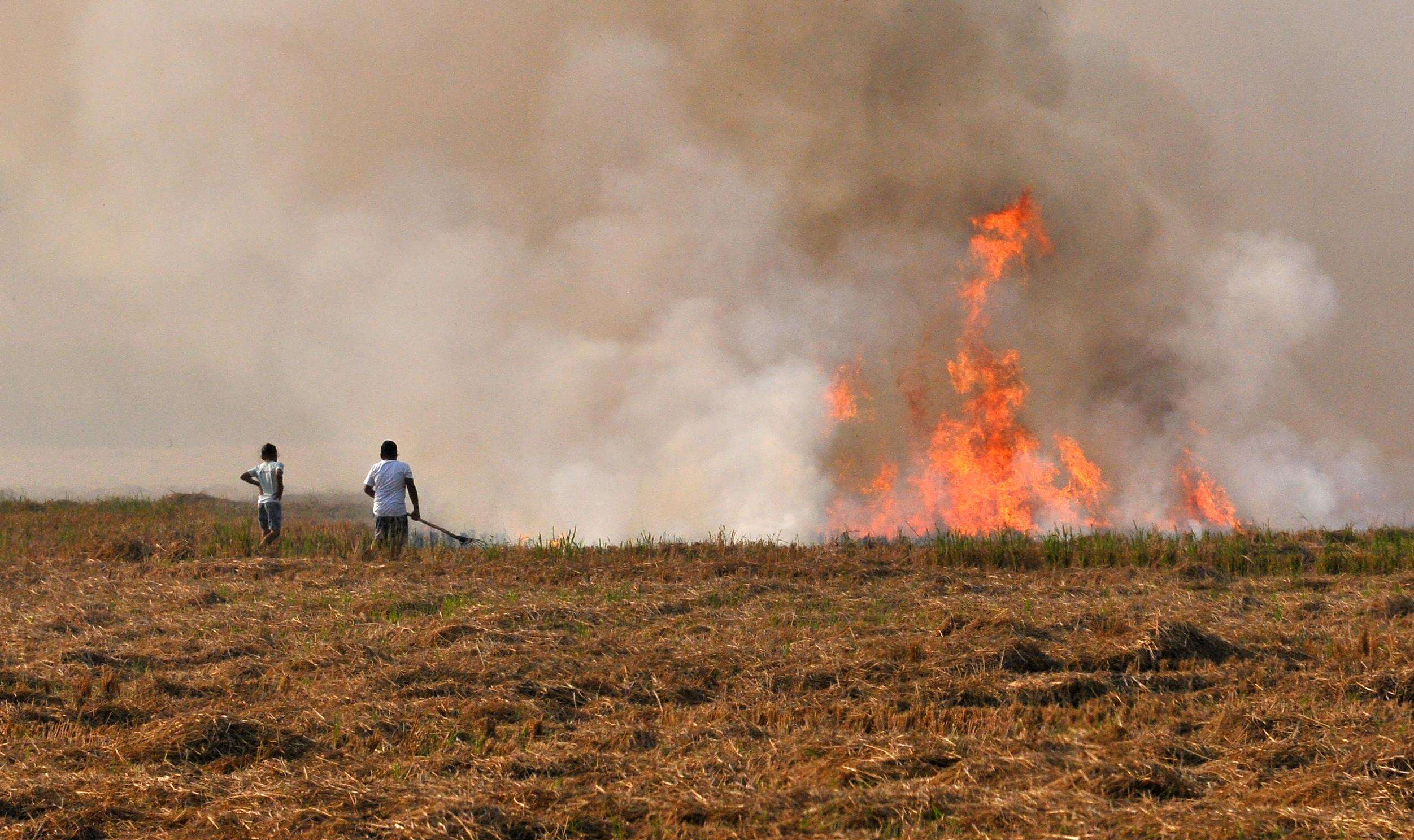
The concrete rupture here is the sheer scale of the anti-drug drive in Punjab, with 69,101 FIRs registered and 90,091 arrests made. This unprecedented level of activity underscores the severity of the drug crisis in the state, which has been plagued by a surge in the consumption and trafficking of narcotics. The immediate shockwave is the overwhelming of the legal and judicial systems, which are struggling to process the volume of cases and manage the large number of detainees.
The underlying tension is rooted in the socio-economic factors that drive drug abuse in Punjab, including unemployment, rural distress, and the influence of organized crime. The institutional friction lies in the lack of a comprehensive strategy to address the root causes of the problem, with the focus remaining on enforcement rather than prevention and rehabilitation. This approach has led to a cycle of arrests and re-offending, without a significant reduction in drug availability or consumption.
The downstream casualties of this crisis include the families of those arrested, who face social stigma and economic hardship, and the communities that are destabilized by the presence of drug networks. The tangible outcome is a strain on the state's resources, with a significant portion of the budget being allocated to law enforcement and judicial processes. The drive serves as a stark reminder of the need for a multi-faceted approach to addressing the drug crisis, including education, healthcare, and economic development.
Comments 0