Diplomatic Stalemate Grips United Nations General Assembly as Global Conflicts Escalate
World leaders have convened in New York for the annual United Nations General Assembly amid deepening geopolitical fractures. Secretary-General António Guterres presides over a summit heavily overshadowed by intractable wars in Ukraine and the Middle East.
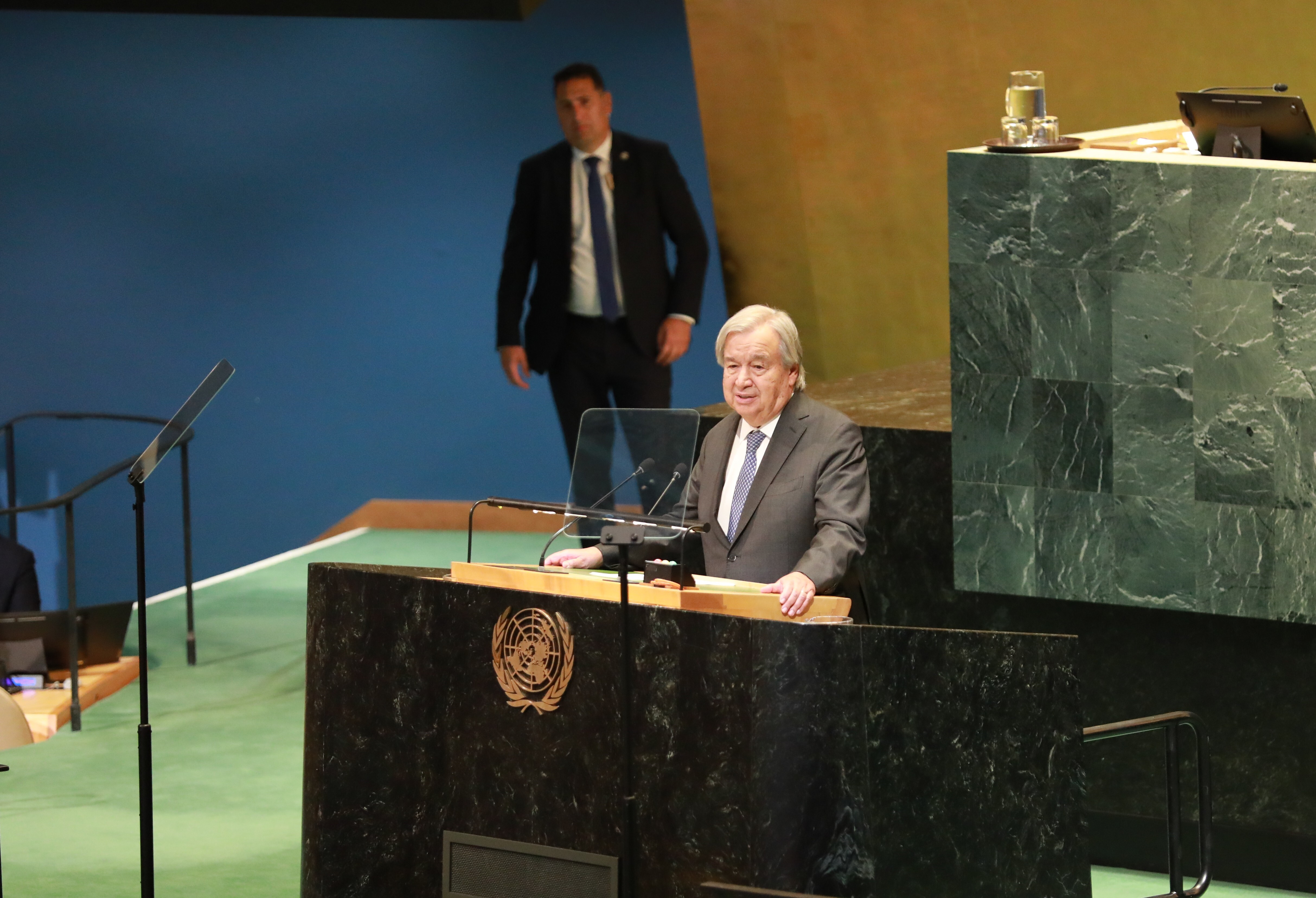
The glass halls of the United Nations headquarters in New York opened to a grim diplomatic climate as heads of state arrived for the annual high-level general debate. Secretary-General António Guterres steps into his final assembly facing widespread skepticism regarding the institution's capacity to halt active military campaigns. Bilateral discussions have largely stalled, replaced by hardened rhetoric from major powers unwilling to compromise on core territorial and security demands across Eastern Europe and the Levant. Institutional friction within the global body stems from persistent paralysis within the Security Council, where permanent members wield veto powers to shield strategic allies from binding resolutions. Developing nations have increasingly voiced frustration over this structural inequality, arguing that western priorities consistently sideline broader planetary crises including debt distress and climate adaptation. This institutional inertia threatens to render formal multilateral diplomacy little more than a ceremonial forum devoid of enforcement mechanisms. As delegations depart without concrete peace frameworks, the immediate casualty remains international law and humanitarian protection standards in active conflict zones. The outcome solidifies a multipolar world order defined by transactional mini-lateral alliances rather than universal consensus, eroding the foundational architecture established in the aftermath of the Second World War.
Comments 0