New United States Tariffs Target Nations Importing Russian Crude
India examines newly proposed United States tariff legislation aimed at penalizing international buyers of Russian petroleum. The diplomatic maneuver threatens established energy supply corridors and forces New Delhi to recalibrate its macroeconomic hedging strategies.
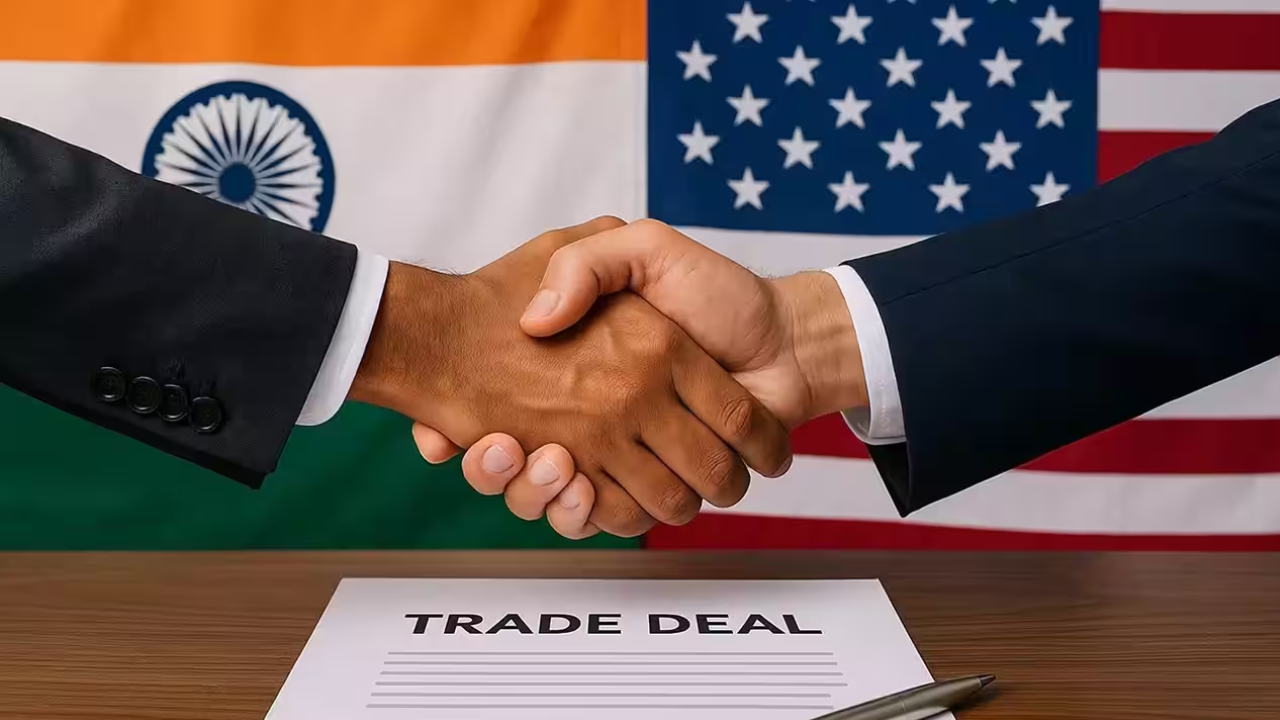
Legislative chambers in Washington have advanced an aggressive trade enforcement framework designed to penalize sovereign states maintaining petroleum commerce with Moscow. Commerce and industry ministries in New Delhi immediately mobilized analytical teams to quantify the economic exposure should these secondary trade barriers convert into binding executive orders. For months, Indian refiners have capitalized on discounted Russian crude barrels to insulate domestic retail fuel prices from volatile Middle Eastern geopolitical shocks. The underlying friction exposes the growing divergence between Western sanctions orthodoxy and the pragmatic energy security imperatives of emerging market economies. American trade architects view energy purchases from Russia as a vital economic lifeline sustaining military operations, whereas Indian policymakers maintain that affordable hydrocarbons remain non-negotiable for domestic industrial growth and inflation control. This fundamental clash of strategic priorities transforms ordinary commercial shipping lanes into contested geopolitical arenas where economic coercion serves as the primary diplomatic instrument. Should the proposed tariff mechanics take effect, Indian state refiners face difficult choices regarding feedstock diversification and long-term procurement contracts. The immediate fallout involves higher compliance verification costs and potential margin compression for domestic processors who have optimized their refinery slates for heavy Russian grades. Ultimately, the legislative push accelerates a broader decoupling trend, forcing economies across the Global South to construct alternative settlement mechanisms and insurance networks insulated from Western financial dominance.
Comments 0