DOJ Moves to Dismiss Convictions of Trump Allies
The US Department of Justice has moved to dismiss the criminal convictions of former Trump adviser Steve Bannon and members of the Oath Keepers, citing the interests of justice. Critics have slammed the move, alleging political interference in the judicial process.
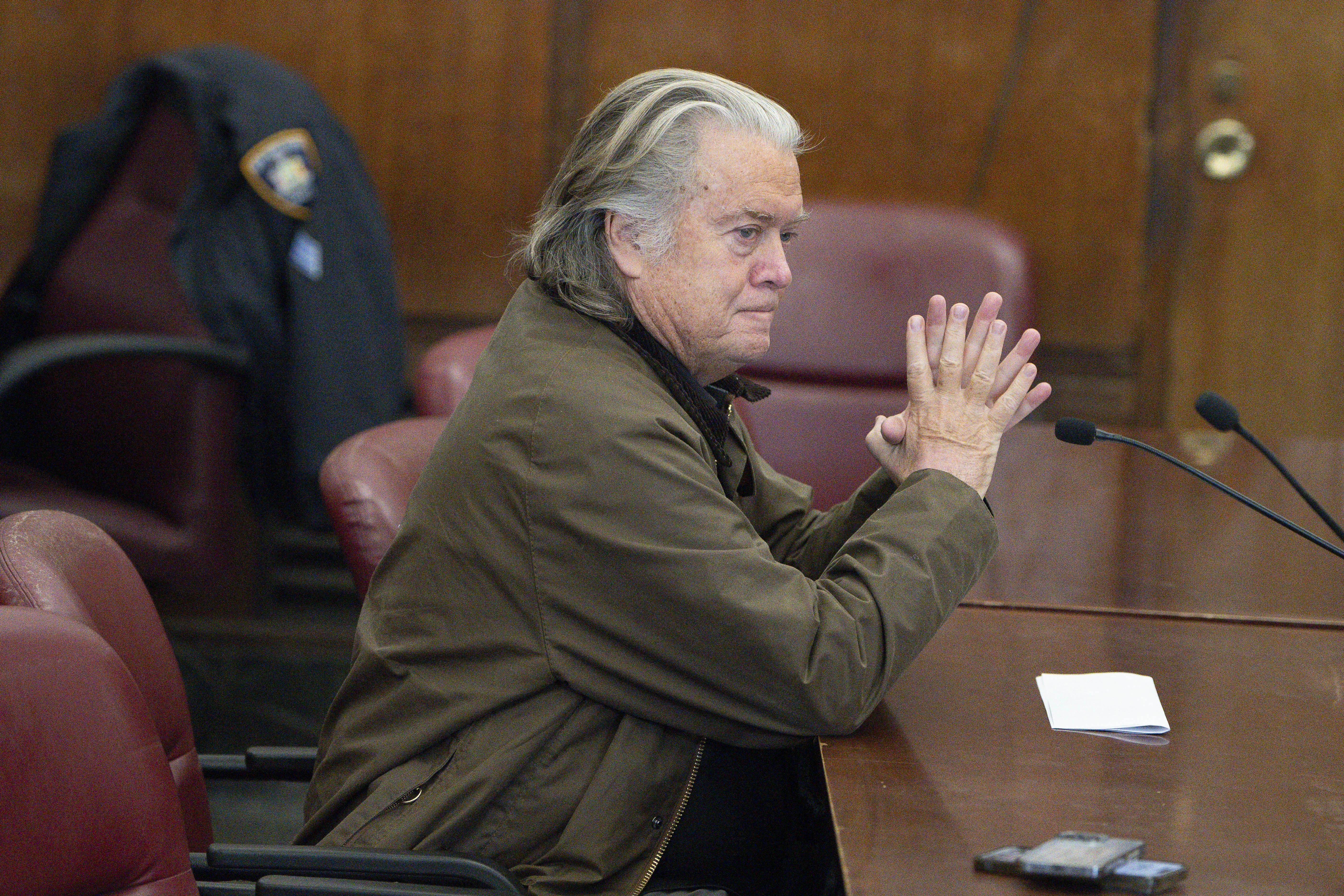
The US Department of Justice has taken the controversial step of moving to dismiss the criminal convictions of former Trump adviser Steve Bannon and members of the Oath Keepers. The department has justified this action as being in the interests of justice, a rationale that has been widely criticized by legal experts and political opponents. Critics argue that this move represents a significant departure from the norms of independent judicial review and suggests political influence in the handling of high-profile cases. The dismissal of these convictions has reignited debates about the rule of law and the separation of powers in the United States.
The underlying tension in this development is the perceived politicization of the justice system. The institutional friction arises from the conflict between the executive branch's authority to manage prosecutions and the judiciary's role in interpreting the law. The move by the DOJ has been seen by many as an attempt to shield political allies from legal consequences, undermining public trust in the impartiality of the justice system. The legal and political implications of this decision are far-reaching, potentially setting a precedent for future cases involving political figures.
The tangible outcome of this move is the release of the convicted individuals from the legal consequences of their actions, at least for the time being. The downstream consequences include a potential erosion of confidence in the US legal system and increased polarization in American politics. The decision may also embolden other political figures to engage in similar conduct, knowing that they may be shielded from prosecution by a sympathetic administration. The long-term impact will be a more fragmented and contested legal in the United States, where the boundaries of political power and judicial independence are constantly being tested.
Comments 0