Dooars‑Bhutan Rail Link Threatens Two Elephant Corridors in North Bengal
A proposed railway line connecting the Dooars region with Bhutan risks bisecting two established elephant migration routes, prompting conservationists to demand route revisions. The project, championed as a catalyst for cross‑border trade, now faces legal challenges and public opposition.
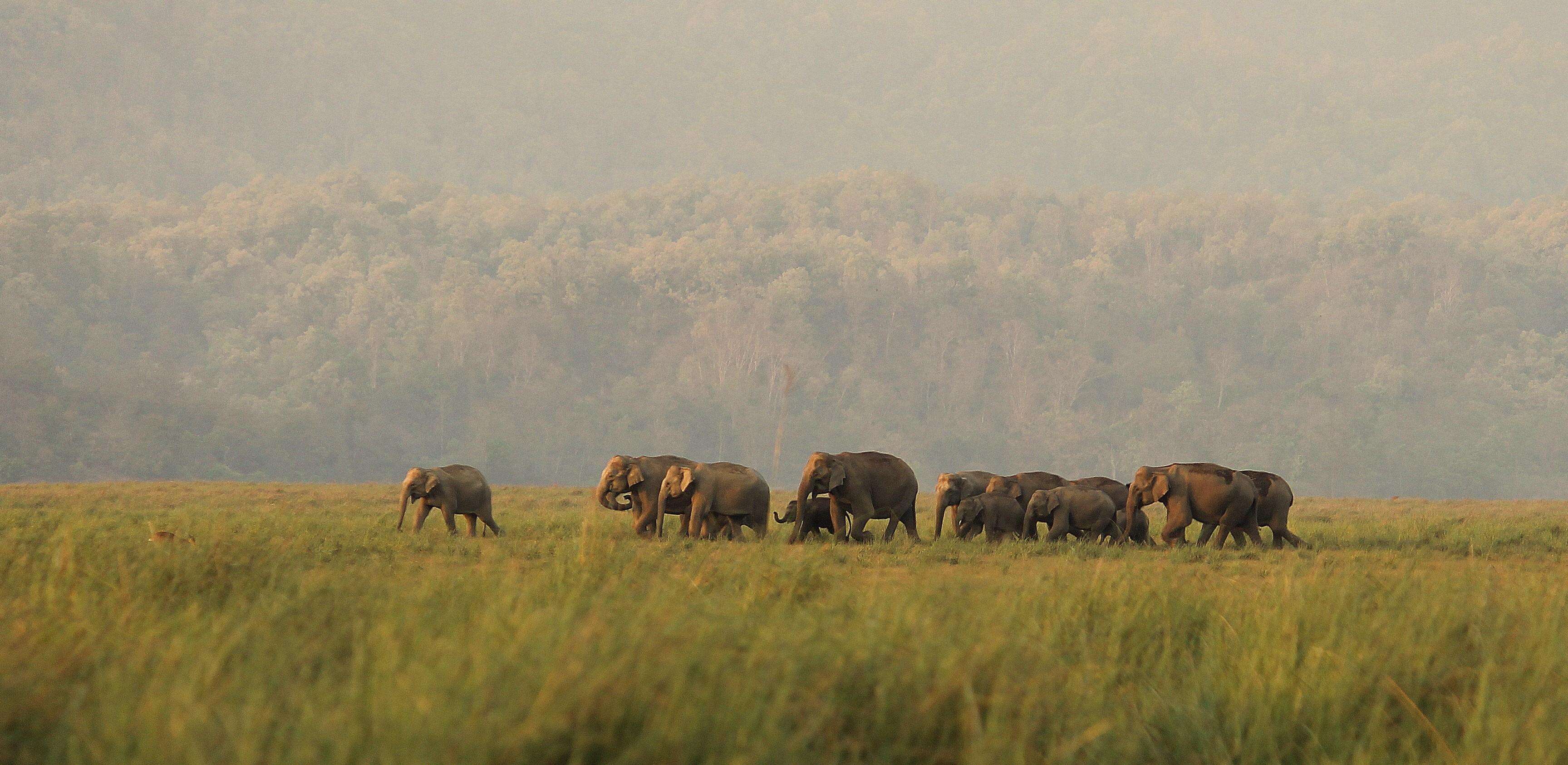
The railway proposal envisions a 200‑kilometre stretch that would traverse dense forest tracts in North Bengal, directly intersecting corridors historically used by elephant herds moving between protected areas in India and Bhutan. Environmental impact assessments have highlighted the likelihood of increased vehicle‑wildlife collisions, habitat fragmentation, and disruption of seasonal movements essential for the species’ survival. Local NGOs have filed petitions in the Calcutta High Court, arguing that the line contravenes national wildlife protection statutes and international biodiversity commitments.
Underlying the controversy is a clash between developmental ambitions and ecological stewardship. The governments of India and Bhutan view the rail link as a strategic conduit for trade, tourism, and regional integration, projecting significant economic gains for border communities. However, the project’s planners have been criticised for insufficient stakeholder consultation and for underestimating the ecological cost of altering established migration pathways. The tension reflects a broader national debate on how to reconcile infrastructure expansion with the preservation of India’s rich natural heritage, especially in ecologically sensitive zones.
The immediate consequences include a temporary suspension of construction activities pending judicial review, and a surge in media coverage that has amplified public awareness of wildlife corridors. Should the court mandate route alterations, the project timeline could extend by several years, inflating costs and delaying anticipated economic benefits. In the longer term, the case may set a precedent for integrating wildlife considerations into future infrastructure planning, potentially reshaping policy frameworks governing development in biodiversity hotspots across the country.
Comments 0