Ecological and Technological Realities of Capital Markets Eighteen Years After 2008
Nearly two decades after the collapse of Lehman Brothers sent shockwaves across international borders, analysts are examining how the global financial crisis permanently altered India macroeconomic framework. While insulated by prudent capital controls, the Indian banking sector underwent profound structural evolution in risk management and liquidity regulation.
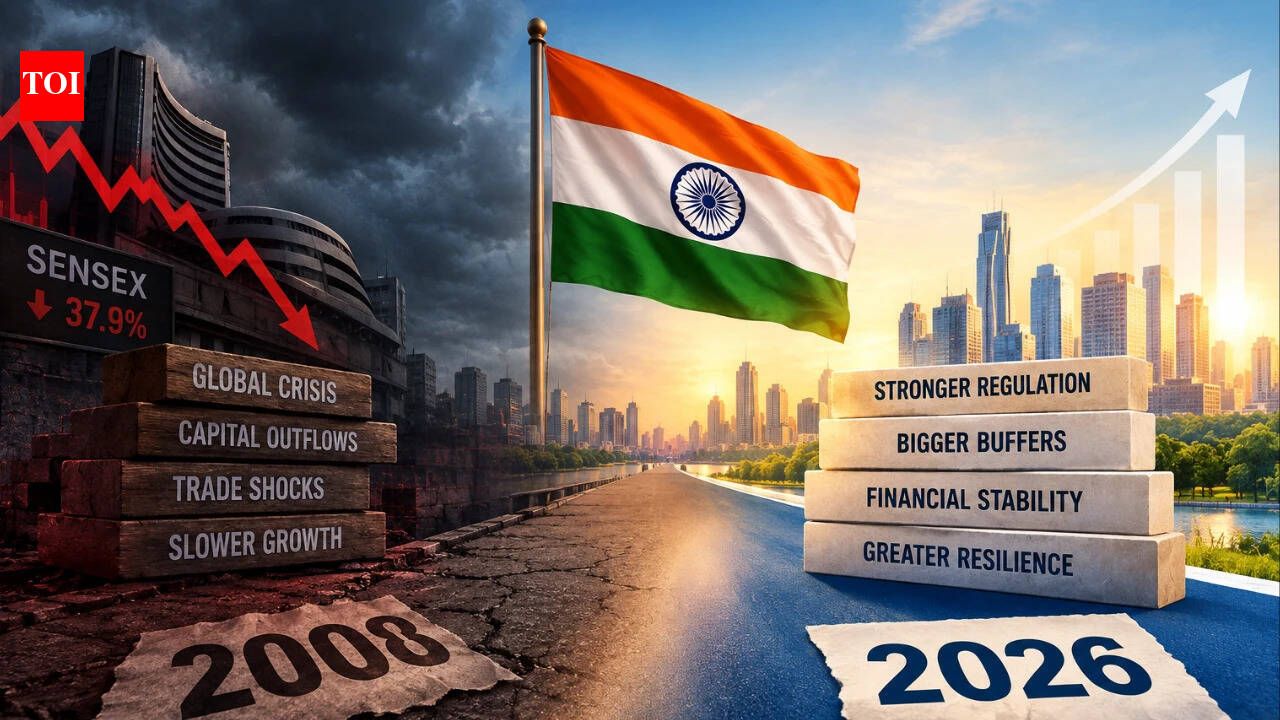
The ghosts of the 2008 global financial meltdown continue to inform monetary policy and banking supervision within the Indian subcontinent. Although direct exposure to toxic Western mortgage securities was minimal, the sudden evaporation of foreign institutional capital and the severe contraction of global trade delivered an immediate jolt to domestic markets. Policymakers were forced to confront the fragility of interconnected financial systems, prompting a generational reassessment of how the nation integrated with global liquidity cycles. This historical shock catalyzed a prolonged institutional reckoning regarding non-performing assets, corporate governance standards, and the capitalization ratios of state-owned lenders. Regulatory bodies steadily dismantled loose credit practices, substituting them with rigorous compliance frameworks and real-time asset monitoring. This friction between aggressive credit growth and conservative risk mitigation shaped a banking environment characterized by heightened caution and strengthened balance sheets. The downstream outcome of this evolution is a remarkably resilient domestic financial ecosystem capable of absorbing external shocks with minimal systemic contagion. Modern Indian markets now rely more heavily on domestic institutional investors and retail mutual funds, buffering the economy against sudden flights of foreign capital. Future financial tremors originating in Western economies will find an Indian market structurally hardened against imported insolvency.
Comments 0