Macroeconomic Echoes: Eighteen Years After the Global Financial Crisis, India Reassesses Systemic Resilience
Financial analysts are reviewing the structural legacy of the 2008 global economic meltdown, examining how conservative domestic banking regulations insulated India from systemic collapse. This retrospective analysis highlights how external financial shocks fundamentally reshaped Indian monetary policy and capital controls.
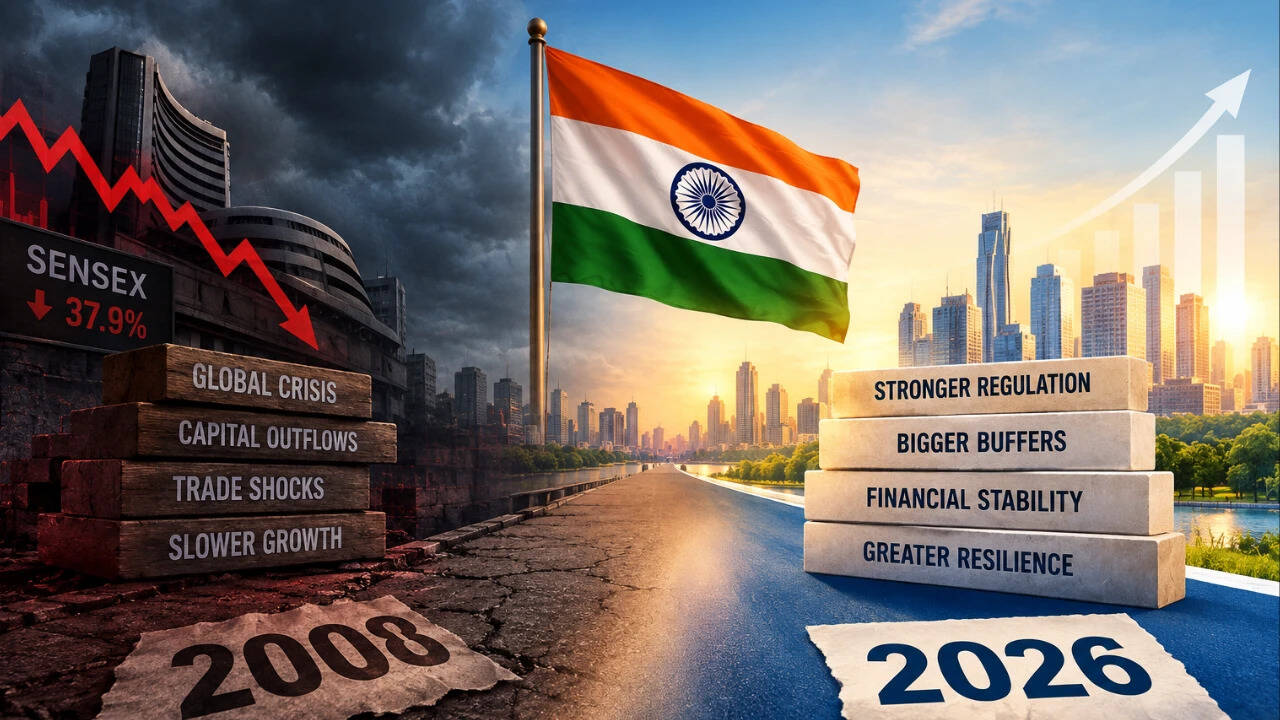
When the US subprime mortgage market imploded in 2008, sending shockwaves through international financial centers, international observers predicted severe contagion across developing economies. While India experienced sharp capital outflows, trade contraction, and stock market volatility, its domestic banking sector avoided the catastrophic solvency crises seen in Western institutions. Prudent reserve requirements and strict limitations on leveraged lending served as effective financial shock absorbers. The historical friction surrounding that era involved intense debates between proponents of rapid financial deregulation and conservative central bankers who resisted opening domestic capital accounts too quickly. The crisis vindicated the cautious approach of monetary authorities, cementing a regulatory philosophy that prioritizes systemic stability over speculative growth. Policymakers learned that maintaining robust foreign exchange reserves remains essential for defending the rupee against sudden global liquidity crunches. The downstream outcome of this historical resilience is a modern Indian financial sector defined by stringent capitalization norms and proactive risk management by the central bank. Today, domestic institutions possess the balance-sheet strength to finance large-scale infrastructure projects independently of volatile foreign capital inflows. This defensive architecture continues to guide Indian financial diplomacy in an increasingly fragmented global economy.
Comments 0