Egypt highway inferno kills 30 after fuel tanker overturns
Over thirty people died and fifteen were injured when a fuel tanker overturned and caught fire in Giza’s Al-Warraq district. Emergency crews fought the blaze for hours while authorities promised stricter safety checks on hazardous cargo transport.
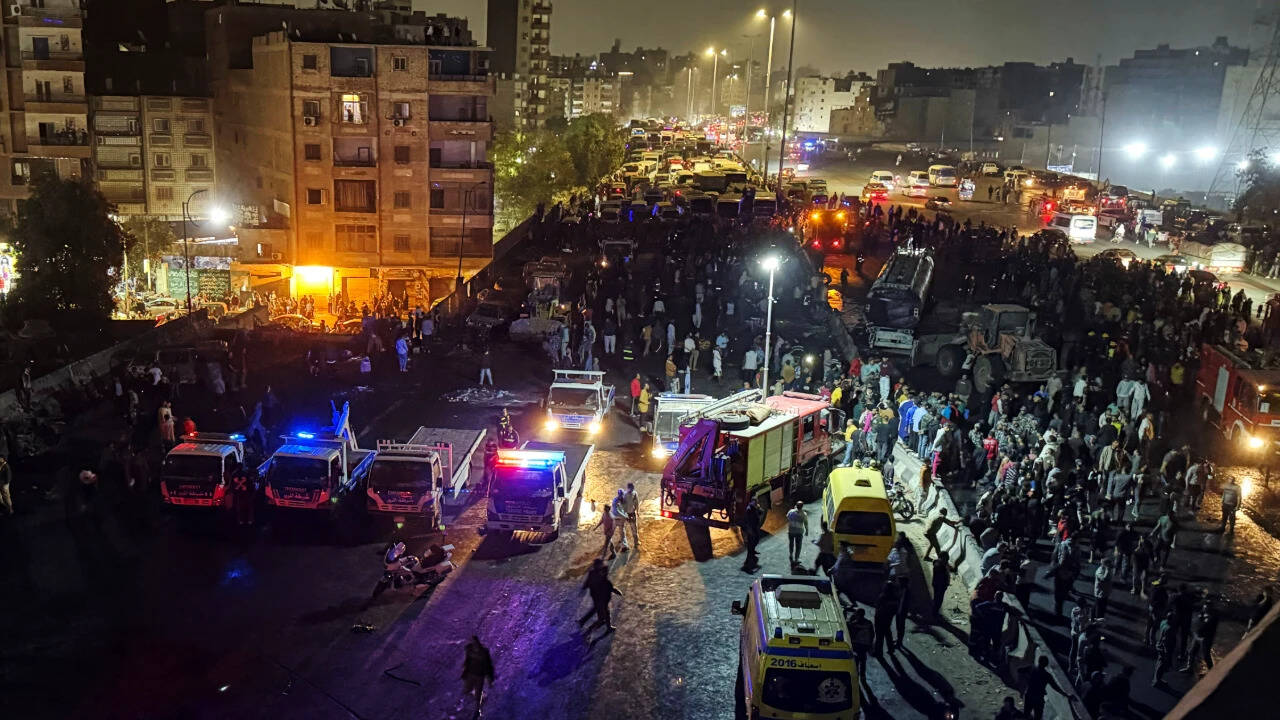
In the early hours of Tuesday, a fuel tanker traveling along the Cairo‑Giza highway overturned in the Al‑Warraq district of Giza. The impact caused the tanker’s cargo to spill and ignite, creating a massive fire that quickly engulfed nearby vehicles and a small market area. Witnesses reported thick black smoke rising above the road as flames leapt from the tanker’s metal shell. Emergency crews arrived within minutes, battling the blaze with water jets and foam while rescuers pulled injured people from the wreckage. The fire was finally brought under control after several hours, but not before it claimed the lives of more than thirty people and left fifteen others with serious injuries.
Investigators later confirmed that the tanker had been overloaded and that the driver lost control while attempting to avoid a stalled car ahead. Overloaded fuel loads increase the centre of gravity of a vehicle, making it more prone to tipping, especially on the uneven surface of the highway. The incident has revived long‑standing concerns about the regulation of hazardous material transport across Egypt’s busy road network. Authorities have pledged to tighten inspection regimes, enforce stricter weight limits, and improve driver training to prevent similar tragedies in the future. The accident also underscores the need for better emergency planning along major routes that serve both local commuters and international travelers.
Families of the victims gathered at the scene, demanding compensation and a thorough inquiry, while local businesses struggled to recover from the loss of inventory and customers. The Egyptian Ministry of Interior announced a formal investigation and promised to hold the tanker’s operating company accountable. For Indian readers, the incident serves as a reminder of the risks associated with road travel in foreign countries, especially when transporting flammable goods. Many Indian tourists and expatriates use the Cairo‑Giza corridor, and the event may prompt travel agencies to review safety briefings and insurance coverage for their clients.
Comments 0