Energy Redirection Rewrites Moscow and New Delhi Trade Parity
Geopolitical friction and infrastructure vulnerabilities have inverted traditional energy corridors as Russian crude flows recede. In an unprecedented reversal, Moscow has turned to New Delhi for refined gasoline following disruptive strikes on domestic refineries.
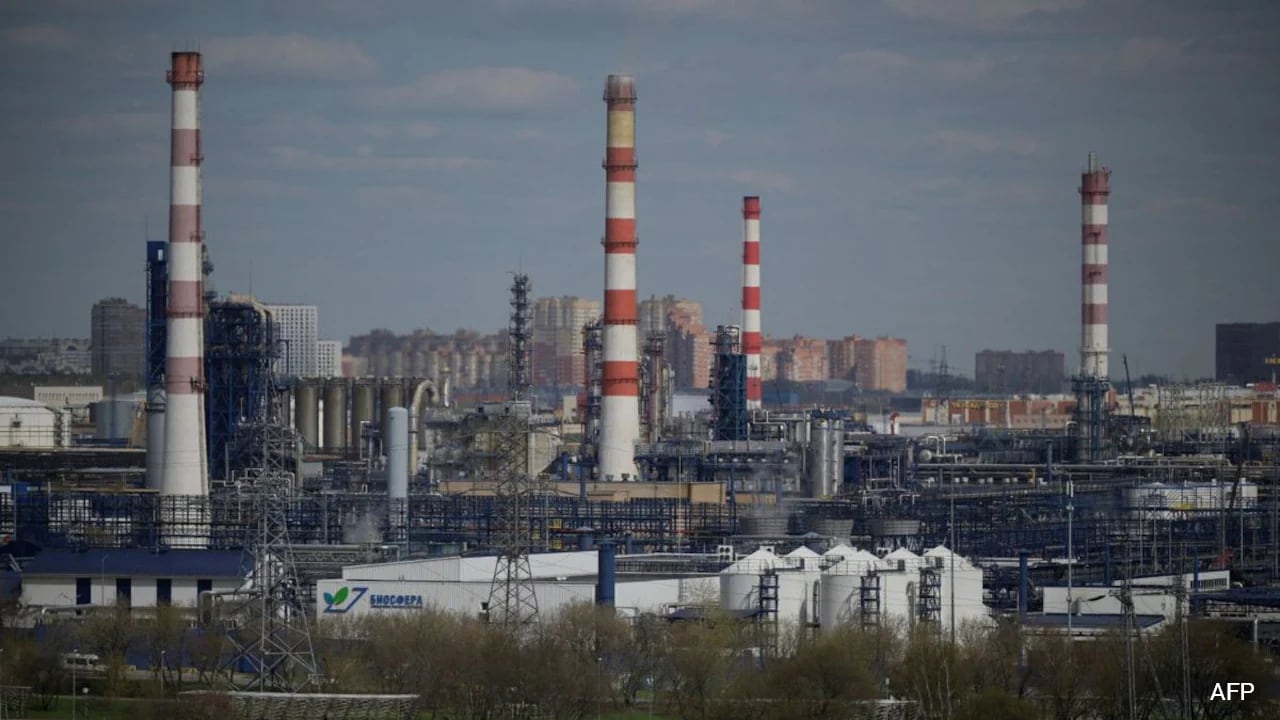
The bilateral energy matrix between Russia and India is undergoing a structural realignment driven by operational constraints and market realities. Following a sharp contraction in crude exports throughout August, regional supply chains faced immediate pressure. Ukrainian military actions targeting Russian refining capacity created severe domestic shortages, compelling Moscow to seek finished petroleum products from external partners. India emerged as an indispensable supplier, absorbing the unexpected demand and dispatching refined gasoline northward. This dynamic challenges the conventional narrative of unidirectional resource extraction, establishing New Delhi as a critical processing node capable of stabilizing foreign deficits. Energy ministries in both capitals are quietly recalibrating long-term procurement agreements to accommodate these unexpected vulnerabilities in Russian downstream infrastructure. Downstream market participants face heightened pricing volatility as standard maritime routes adapt to shifting export destinations. Indian refiners capture wider margins on processed exports, yet domestic fuel pricing mechanisms remain exposed to international shocks. The episode exposes the fragile interdependence governing current Eurasian trade corridors, altering strategic calculations across foreign ministries globally.
Comments 0