The Oil Paradox: Saudi Arabia Redirects European Crude Flows While Moscow Sells Gasoline to New Delhi
Saudi Aramco has abruptly cut off term crude supplies to European refiners for October, instead diverting sixty million barrels back through the Persian Gulf. Simultaneously, Russian energy flows have inverted as Ukrainian strikes force Moscow to import Indian gasoline.
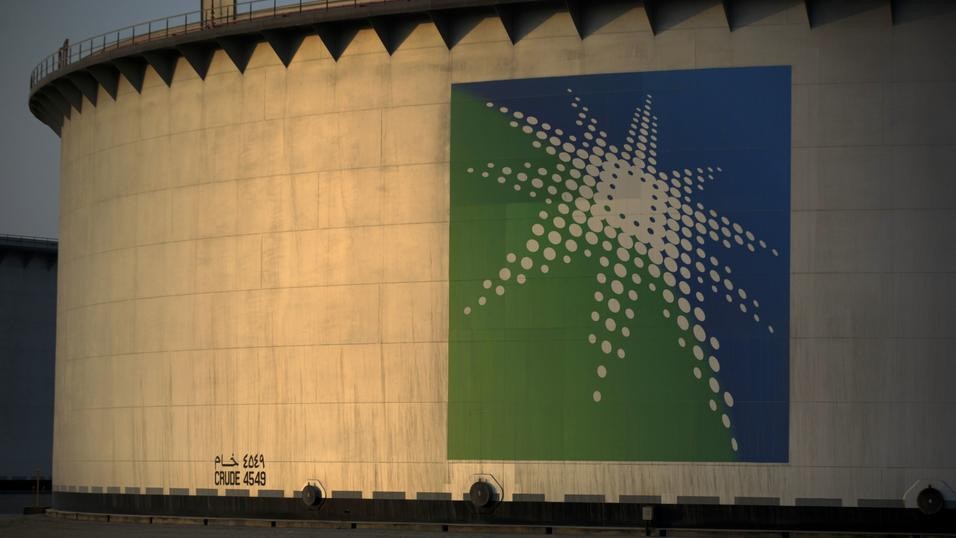
Global energy markets are experiencing a profound structural realignment as geopolitical friction and infrastructure vulnerabilities upend traditional trade routes. Saudi Aramco informed its European term customers that October deliveries will be entirely withheld, channeling the petroleum reserves eastward to satisfy surging Gulf demand. This sudden contraction leaves European refiners scrambling for alternative feedstocks just as winter heating requirements approach. The disruption highlights the fragility of contemporary petroleum logistics, pitting Western energy security directly against Middle Eastern domestic priorities. Simultaneously, the energy axis between Russia and India has undergone an unexpected reversal; Russian crude supplies to New Delhi contracted sharply in August. Crippling Ukrainian strikes on domestic Russian refineries forced Moscow into the anomalous position of purchasing gasoline from Indian suppliers to maintain domestic equilibrium. For European industrial consumers, the Saudi embargo translates to immediate price spikes and margin compression across key refining hubs. Meanwhile, Indian energy conglomerates find themselves cast in an unprecedented mediating role, balancing export obligations against opportunistic purchasing power. The downstream casualty of this volatility is predictable long-term supply predictability, forcing sovereign states to abandon market-based procurement in favor of bilateral defensive pacts.
Comments 0