Eni's Profits Soar 125% on Refining Boom and Investor Payouts
Italian energy giant Eni has reported a 125% surge in third-quarter profits, driven by soaring refining margins and increased oil and gas production. The company is responding to this windfall with an extraordinary dividend and expanded share buybacks, signaling confidence in the resilience of traditional energy sectors.
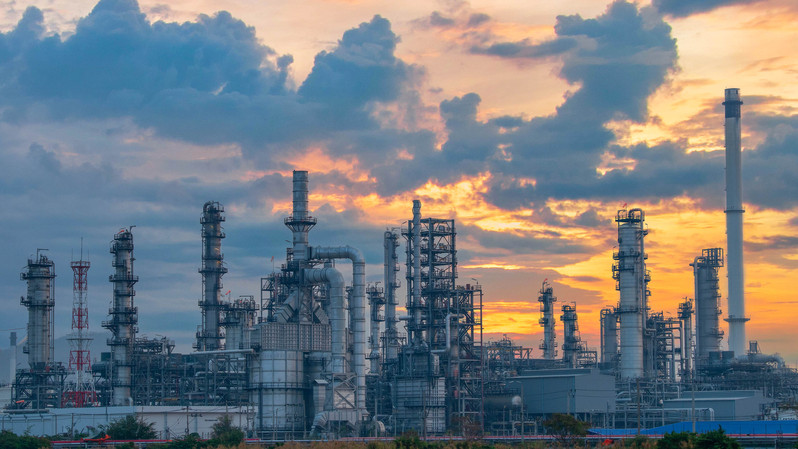
Eni, the Italian energy conglomerate, has delivered a robust financial performance, with its third-quarter earnings more than doubling year-on-year. This surge is primarily attributed to the refining boom, where margins have expanded significantly due to supply constraints and strong demand. The company is capitalizing on this momentum by increasing its payouts to investors, including an extraordinary dividend and a larger share buyback program. This move reflects a strategic decision to return capital to shareholders while maintaining a strong balance sheet.
The underlying tension in this story lies in the contrast between the traditional energy sector's financial health and the global push toward renewable energy. Despite the long-term transition to cleaner energy sources, the immediate demand for oil and gas remains robust, allowing companies like Eni to generate substantial profits. This highlights the continued relevance of fossil fuels in the global energy mix, at least in the short to medium term. The institutional friction arises from the need to balance short-term financial gains with long-term sustainability goals, a challenge that many energy companies face.
The tangible outcome for investors is a significant increase in returns, which may attract more capital to the energy sector. However, the downstream impact includes a potential delay in the transition to renewable energy, as the profitability of fossil fuels continues to draw investment away from green alternatives. This dynamic underscores the complex interplay between market forces and environmental imperatives, with significant implications for the pace of global decarbonization.
Comments 0