Equinor Under Siege as Cyber Threats Converge with Energy Crisis
Equinor, Europe's largest pipeline gas supplier, is battling a sophisticated cyberattack while gas prices remain nearly triple their previous levels due to the Hormuz crisis. The FBI has warned that state-aligned hackers are targeting critical energy infrastructure, amplifying the vulnerability of the European energy sector.
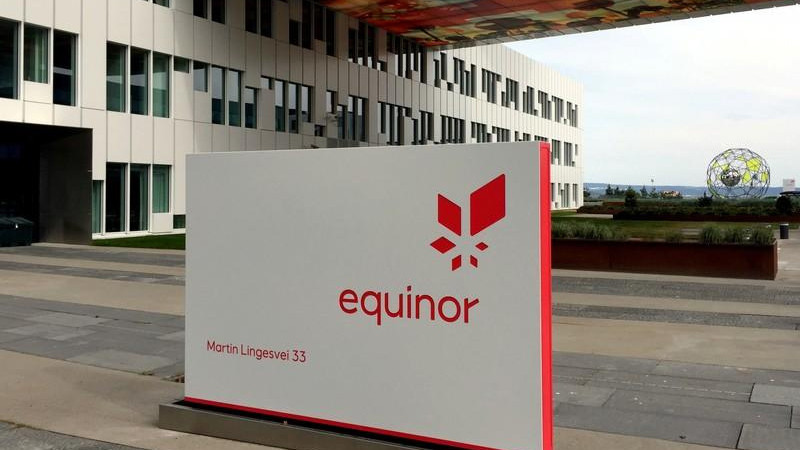
The cyberattack on Equinor represents a critical rupture in the security of Europe's energy backbone. As the largest supplier of pipeline gas to the continent, Equinor's systems are now under active assault, a development that coincides with a period of extreme price volatility. The ongoing crisis in the Strait of Hormuz has already driven gas prices to nearly three times their level from the previous year, creating a perfect storm of economic and physical vulnerability. The intrusion is not merely a digital nuisance; it is a strategic threat to the stability of European energy supplies during a time of heightened geopolitical tension.
The underlying tension is driven by the intersection of state-sponsored cyber operations and the fragility of energy markets. The FBI's recent warning indicates that these attacks are not random but are coordinated by state-aligned actors seeking to exploit the economic pain caused by the Hormuz crisis. This institutional friction between digital warfare and physical resource scarcity highlights the increasing convergence of cybersecurity and national security. The attack on Equinor is likely part of a broader pattern of targeting critical infrastructure to destabilize economies and exert political leverage.
The tangible outcome of this convergence is a heightened state of alert across the European energy sector. Companies are now forced to invest heavily in defensive cybersecurity measures, adding to the operational costs already inflated by high gas prices. For consumers and industries dependent on stable energy supplies, the risk of supply disruptions is more acute than ever. The incident underscores the need for a more integrated approach to energy security, one that treats digital resilience as a core component of physical infrastructure protection. The downstream effect is a more defensive and costly energy market, where the cost of security is as significant as the cost of fuel.
Comments 0