Escalated Penalties Target Chronic Traffic Infractions Across Karnataka Corridors
Karnataka transportation authorities advanced proposals to impose steep fines reaching five thousand rupees for repeat traffic violators caught driving against traffic or illegally parking. The initiative aims to enforce strict compliance along congested metropolitan arteries in Bengaluru.
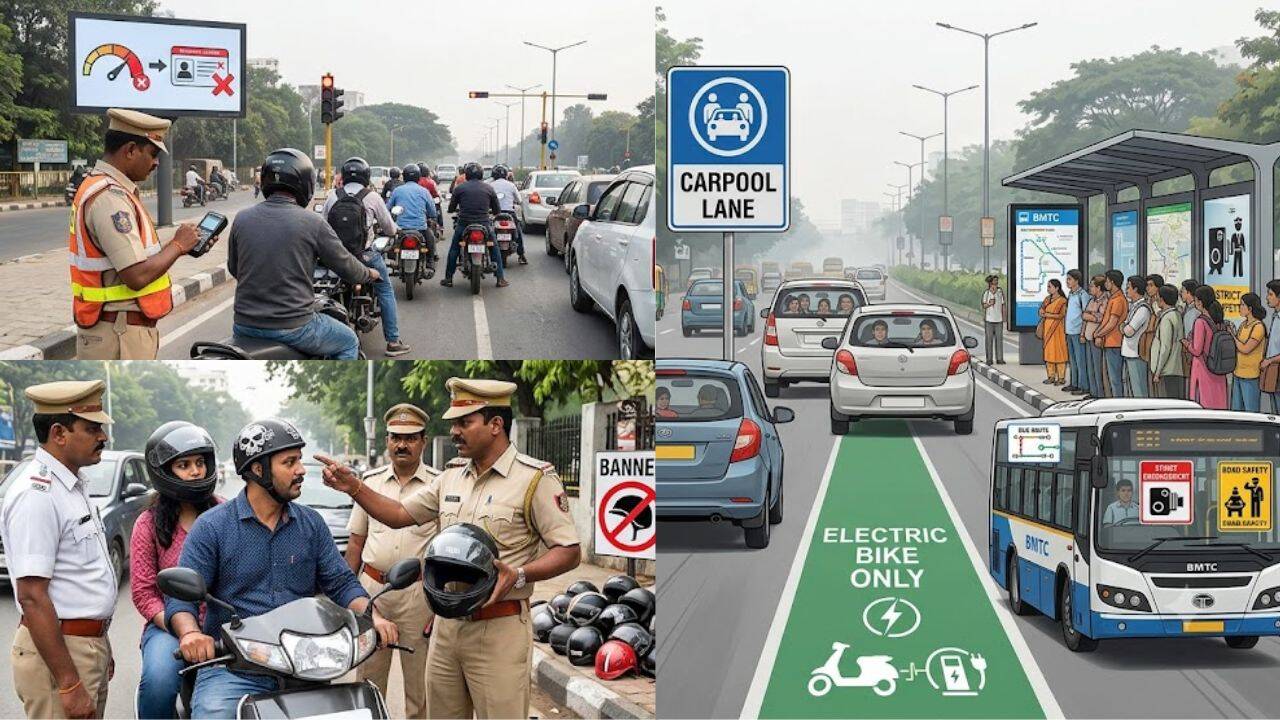
Urban mobility governance in Karnataka's capital is undergoing a punitive overhaul as state authorities grapple with chronic congestion and pervasive rule violations. The proposed penalty structure marks a drastic escalation from historical fine schedules, specifically targeting aggressive infractions such as wrong-way driving and unauthorized shoulder parking. Enforcement agencies argue that nominal fines previously failed to deter reckless motorists, necessitating severe financial disincentives to restore basic road discipline. This regulatory push exposes the friction between rapid vehicle population growth and severely constrained urban infrastructure in Bengaluru. Commuters and transport unions have expressed frustration, arguing that punitive fines address symptoms rather than the root causes of traffic chaos, such as inadequate signage, poor road design, and absent public transit alternatives. Enforcement authorities, however, remain resolute, pointing to automated camera networks and intelligent traffic management systems as proof that impunity is no longer tenable. The downstream impact will be a measurable shift in commuter behavior along major transit corridors, accompanied by an increase in digitized fine collections. Commercial delivery fleets and ride-hailing operators will likely absorb higher operational friction as drivers adjust routes to avoid automated surveillance zones. The policy's ultimate success hinges on whether strict enforcement is matched by genuine infrastructural improvements.
Comments 0