Punjab Agrarian Sector Confronts Persistent Ecological Challenges Despite Crop Diversification
Punjab agricultural authorities reported marginal reductions in problematic crop choices, though ecological stress remains severe. Groundwater depletion and stubble burning continue to threaten long-term regional food security.
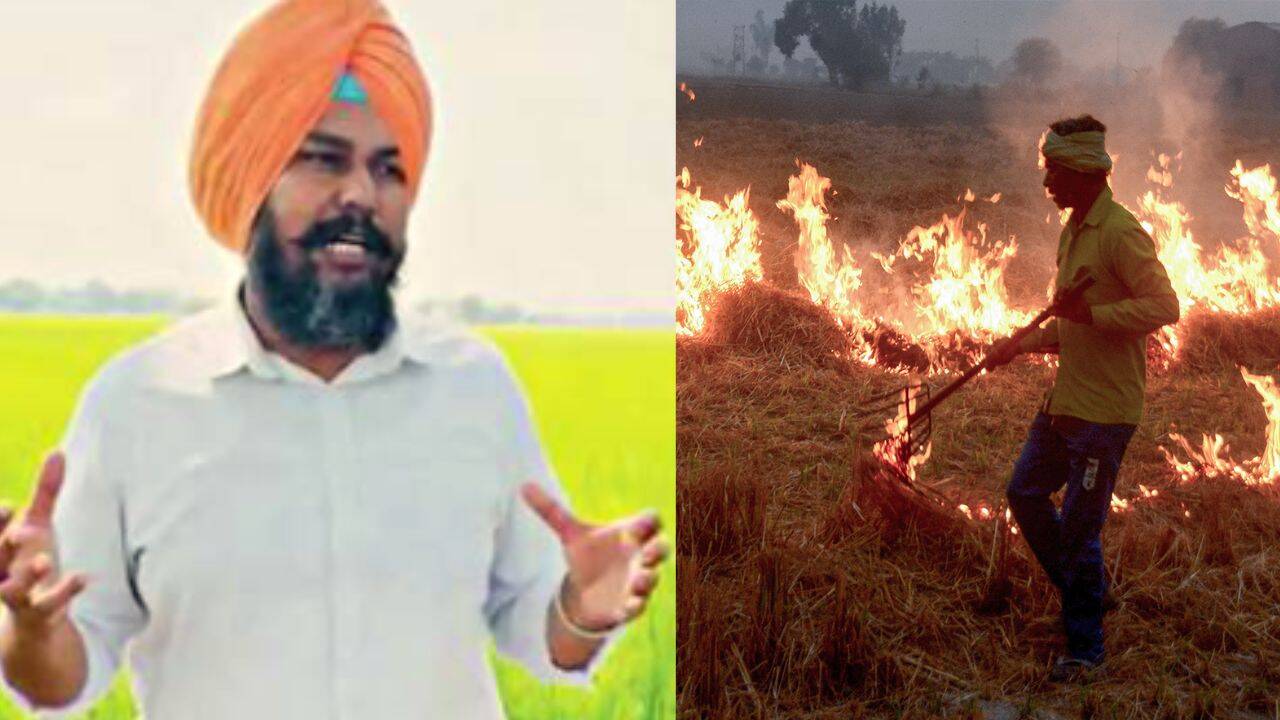
The agricultural heartland of Punjab remains locked in a slow ecological crisis despite incremental shifts in cropping patterns away from water-intensive staples. State agriculture boards noted a downward trend in specific resource-draining cultivars, yet farmers continue to prioritize high-yield crops backed by guaranteed procurement prices. This structural reliance perpetuates severe groundwater table depletion and soil nutrient exhaustion across the plains. Friction between central environmental agencies and state farming unions remains high over proposed enforcement mechanisms to curb seasonal stubble burning. Agrarian leaders argue that punitive measures fail to address the underlying economic unviability of adopting sustainable residue management equipment without substantial direct subsidies. State administrations find themselves caught between electoral pressures from powerful farming lobbies and judicial mandates to clear toxic winter smog. The tangible outcome of this inertia is the accelerated desertification of agrarian tracts and worsening air quality indices across northern urban centers. Policymakers are being forced to restructure subsidy frameworks to reward direct crop diversification toward pulses and oilseeds before the next planting cycle.
Comments 0