Escalating Gold Hallmarking Fees Ignite Fraud Warnings Across Domestic Retail Markets
The Gem and Jewellery Domestic Council warns of an impending surge in counterfeit hallmarking stamps following a sharp hike in mandatory certification fees. Unscrupulous merchants are increasingly incentivized to bypass official assaying centers to pass off substandard precious metals to unsuspecting buyers.
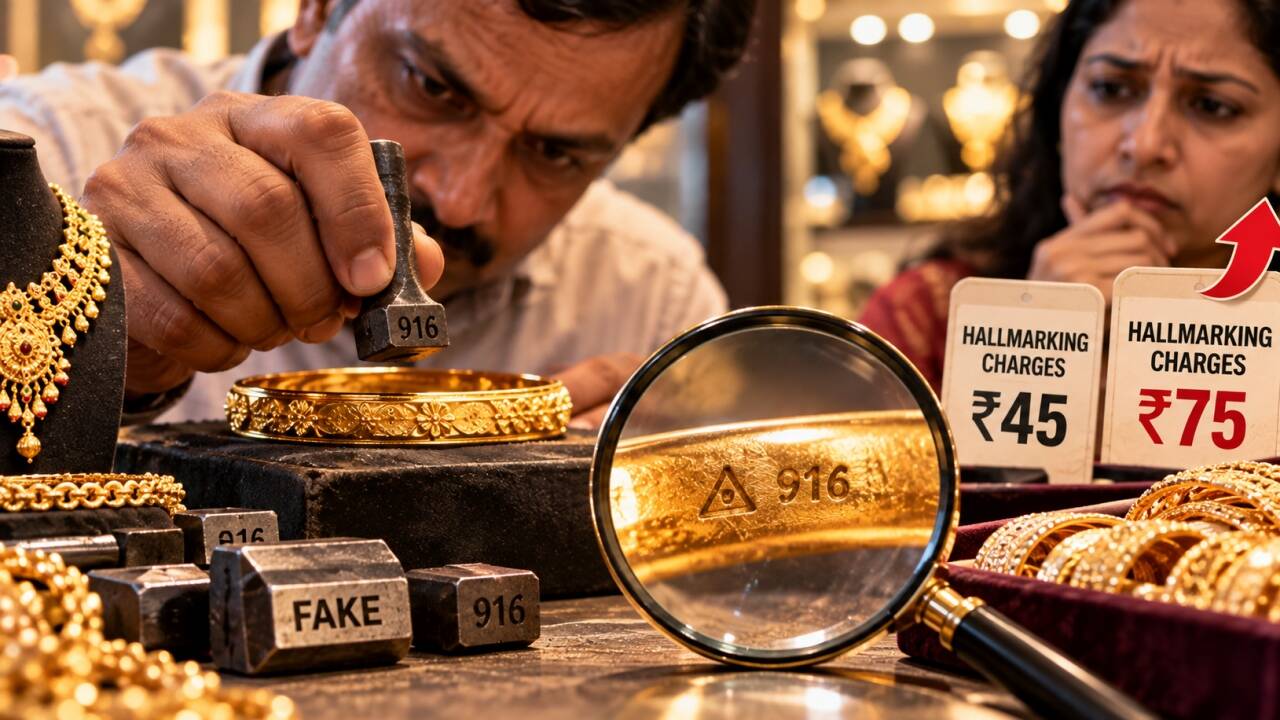
A significant policy shift regarding precious metal regulation has unintended consequences for retail consumers purchasing gold across domestic markets. Official hallmarking charges climbed steeply from forty-five rupees to seventy-five rupees per article, placing an immediate financial burden on micro-retailers and independent bullion merchants. Industry associations report that this cost expansion directly threatens profit margins within traditional jewelry manufacturing districts. Consumer advocacy groups point out that while the regulatory apparatus aims to enforce strict purity standards, the sudden fee escalation creates a profitable grey market for counterfeit certification marks. Rogue jewelers possess strong economic motives to utilize unauthorized laser stamps on low-purity ornaments. Regulatory enforcement agencies remain understaffed, leaving consumer protection mechanisms largely dependent on voluntary compliance within a fragmented retail sector. Retail buyers bear the ultimate brunt of these economic pressures, facing heightened exposure to fraudulent transactions and diluted gold purity standards. Institutional gold exchanges and certified refiners stand to capture market share from traditional jewelers as consumers demand verifiable digital provenance. The resulting credibility crisis threatens to undermine trust in retail gold markets unless regulatory oversight expands commensurately.
Comments 0