Hallmarking Fee Hikes Fuel Counterfeit Risks in India
The Gem and Jewellery Domestic Council has warned that rising mandatory hallmarking charges will incentivize unscrupulous jewellers to deploy fake certification stamps. Consumers face heightened fraud risks as compliance costs escalate.
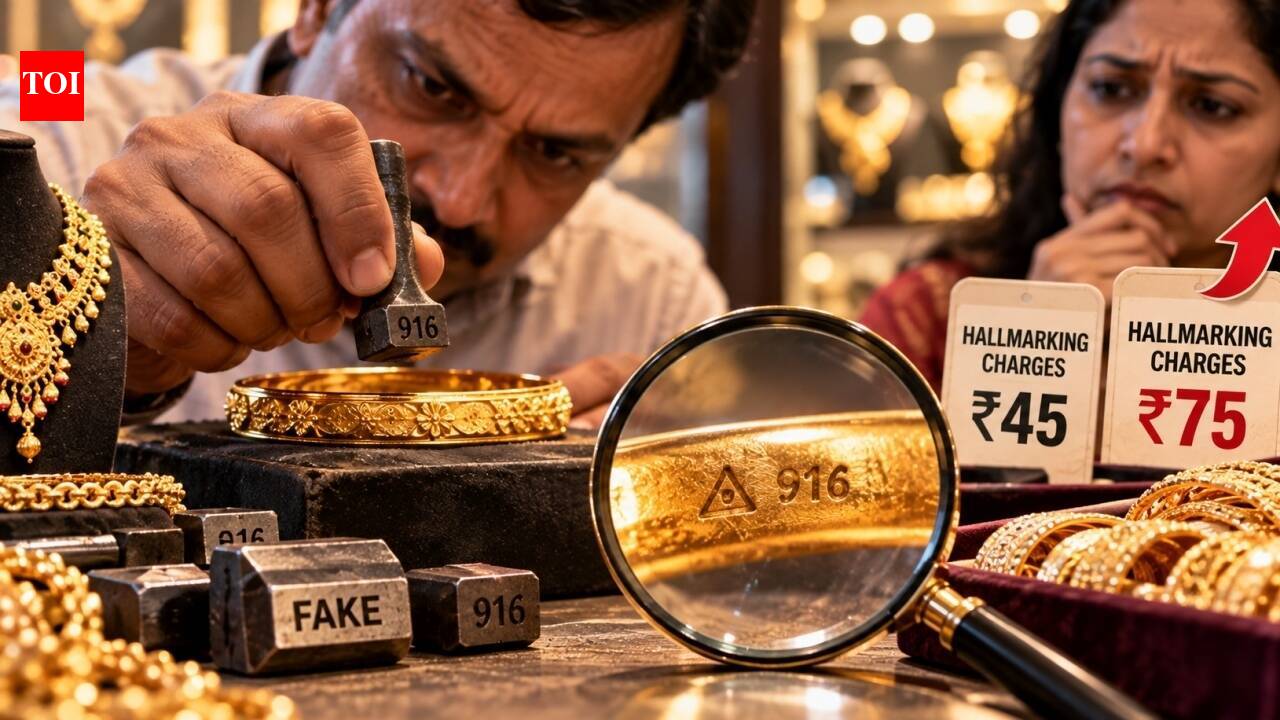
A regulatory adjustment raising hallmarking fees from forty-five to seventy-five rupees per article has inadvertently created a lucrative gray market for fraudulent gold authentication. The statutory mandate, designed to protect retail buyers from adulteration, now places an acute financial burden on smaller artisans and retail outlets. Industry representatives argue that these elevated fees encourage rogue market participants to bypass authorized assaying centers entirely. Bureaucratic oversight by regulatory bodies often struggles to police thousands of independent jewellers dispersed across India's vast retail geography. Enforcement agencies lack the manpower to verify stamp authenticity at the point of sale, leaving compliance largely voluntary for dishonest operators. Consumer protection advocates point out that ordinary citizens bear the ultimate cost of these regulatory frictions through either inflated retail prices or undetected metal adulteration. The tangible market outcome is an erosion of consumer trust in certified precious metals, threatening India's standing as a transparent gold trading hub. Independent jewellers operating on thin margins may face consolidation or closure, driving market share toward large corporate entities capable of absorbing compliance overheads. This structural shift concentrates wealth within the organized retail sector while increasing vulnerability for rural retail investors.
Comments 0