Escalating Rhetoric in Tehran Signals New Asymmetric Threat Vectors Against Washington
Iranian military leadership has issued direct warnings of new weapon systems and expanded target profiles aimed at altering the geography of modern warfare. This strategic posture underscores Tehran's intent to project power beyond its immediate borders in response to ongoing Western economic and military pressure.
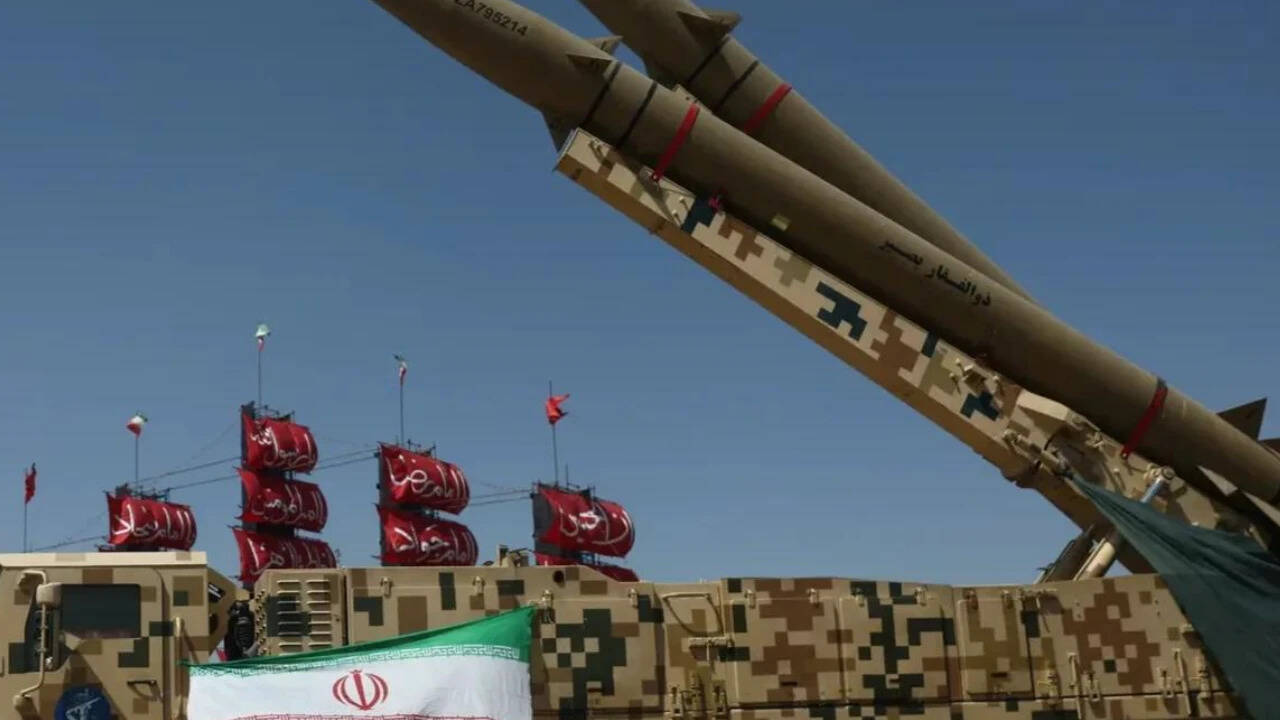
The calculus of deterrence in the Middle East continues to evolve as regional actors invest heavily in asymmetric defense capabilities designed to neutralize traditional superpower advantages. Recent pronouncements from Iranian officials promising to rewrite the geography of conflict reflect a calculated shift from defensive posture to proactive regional destabilization. By showcasing advanced missile technology and autonomous drone platforms, Tehran aims to raise the cost of American and allied military deployments in the region. At the center of this escalation is the persistent failure of economic sanctions to deter indigenous military research and development. Despite severe financial constraints, defense planners in Iran have successfully decentralized their manufacturing supply chains, rendering conventional airstrikes less effective at dismantling their strategic arsenal. This industrial resilience forces Western defense strategists to constantly recalibrate their threat assessments and missile defense deployments across the Persian Gulf. The downstream consequence of this posturing is an enduring state of high alert that drains diplomatic resources and increases the statistical probability of tactical miscalculation. Commercial shipping lanes, energy installations, and regional military outposts remain permanently vulnerable to low-cost, high-impact asymmetric strikes. As diplomatic channels remain frozen, the theater of operations expands steadily into cyber domains and proxy battlegrounds, ensuring persistent instability for the global economy.
Comments 0