EU Accelerates Renewable Energy Permits Amid Soaring Oil Import Costs
The European Parliament has agreed to fast-track permitting for wind, solar, and grid storage projects to mitigate the economic shock of rising oil import costs. This move signals a decisive shift in European energy policy, prioritizing domestic renewable capacity over reliance on volatile fossil fuel markets.
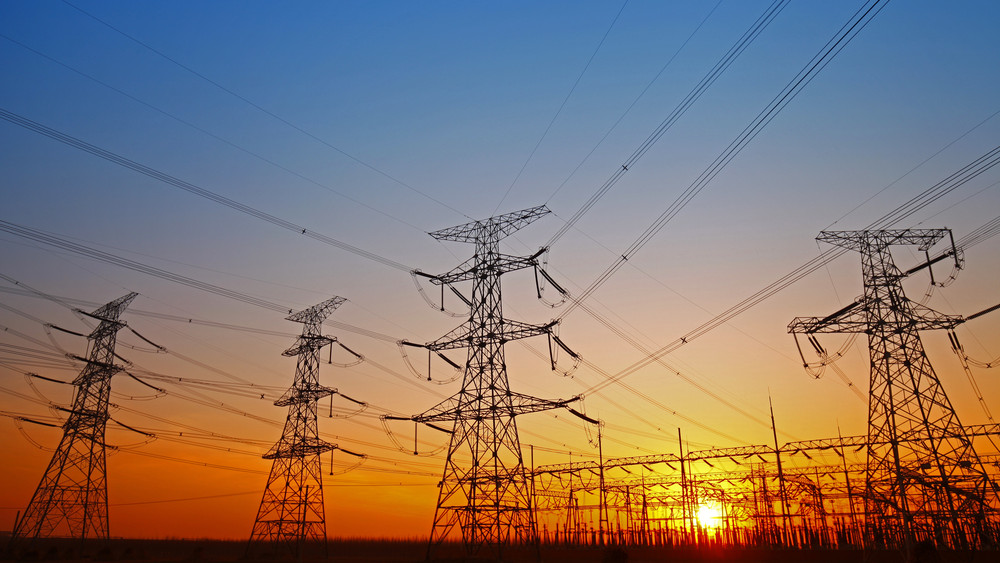
The European Union has taken a decisive step toward energy independence by agreeing to accelerate the permitting process for renewable energy projects. This provisional agreement, reached by the European Parliament and the Council, aims to streamline the approval of wind, solar, and grid storage infrastructure. The move is a direct response to the soaring costs of oil imports, which have strained European economies and highlighted the continent's vulnerability to global energy market fluctuations. By reducing bureaucratic hurdles, the EU hopes to bring online a significant amount of clean energy capacity in the near term, thereby lowering dependency on external fossil fuel suppliers.
The underlying tension in this decision reflects the broader struggle between environmental goals and economic necessity. While the EU has long championed renewable energy, the pace of deployment has often been hampered by complex regulatory frameworks and local opposition. The current crisis has forced a reevaluation of these priorities, with economic security now taking precedence over procedural caution. This shift may face resistance from environmental groups who argue that fast-tracking permits could lead to inadequate environmental assessments, but the immediate economic imperative appears to have outweighed these concerns.
The tangible outcome of this policy change will be a surge in renewable energy projects across Europe, with potential winners including domestic energy companies and technology providers. However, the downstream casualties may include traditional energy sectors and regions that rely on fossil fuel revenues. The fast-tracked permits could also lead to increased competition for land and resources, potentially sparking local conflicts. In the long term, this move could reshape the European energy , making it more resilient to global shocks and accelerating the transition to a low-carbon economy.
Comments 0