EU Calls for Reform of UN Climate Consensus After COP31 Stalemate
The European Union announced plans to petition the United Nations for a revision of the consensus‑based decision‑making model that governs climate conferences, citing the recent failure of COP31 to produce a binding agreement. The proposal seeks to introduce a more accountable voting structure that could accelerate collective action on emissions reductions.
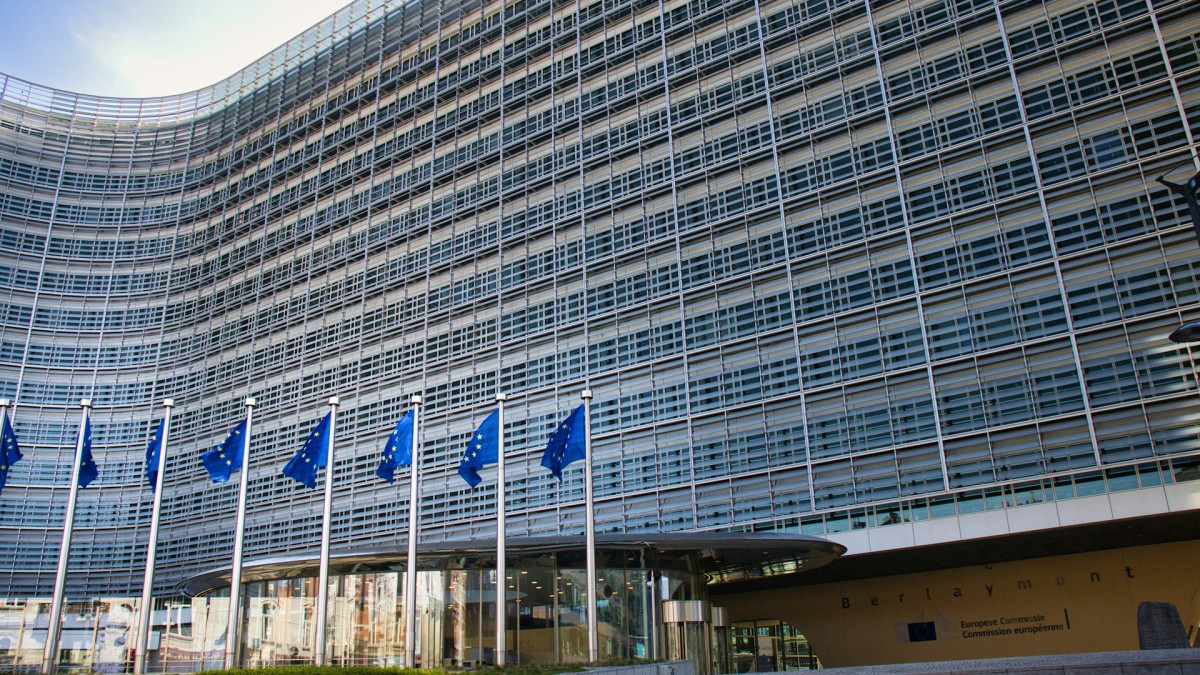
In a statement delivered in Brussels, EU climate chief Vera Jourova outlined the bloc's frustration with the endless negotiations that left COP31 mired in procedural disputes over the inclusion of fossil‑fuel language in the final communique. The Union argues that the unanimity requirement empowers a handful of dissenting nations to stall progress, undermining the urgency demanded by scientific forecasts. By advocating for a qualified‑majority vote, the EU hopes to create a decision‑making environment where ambition is not hostage to the narrowest of interests.
Member states of the UNFCCC have expressed mixed reactions; some developing nations fear that a shift away from consensus could marginalise their concerns about equity and finance. Meanwhile, environmental NGOs have welcomed the EU's stance, viewing it as a necessary catalyst to break the deadlock that has plagued successive summits. The proposal will be tabled at the upcoming UN General Assembly, where diplomatic negotiations are expected to intensify.
Should the UN adopt the EU's recommendation, the climate regime could see faster adoption of mitigation pledges, tighter emissions targets, and more transparent reporting mechanisms. Such a transformation would not only reshape international climate governance but also pressure national governments to align domestic policies with a more ambitious global trajectory, potentially reshaping investment flows toward greener technologies.
Comments 0