Fed Minutes Reveal Internal Friction Over Inflation Trajectory
Leaked minutes from the Federal Reserve’s October meeting expose a deepening divide among policymakers regarding the persistence of inflation. The discussion of an aggressive rate hike in December signals a potential reversal in the easing cycle, with significant implications for global capital flows.
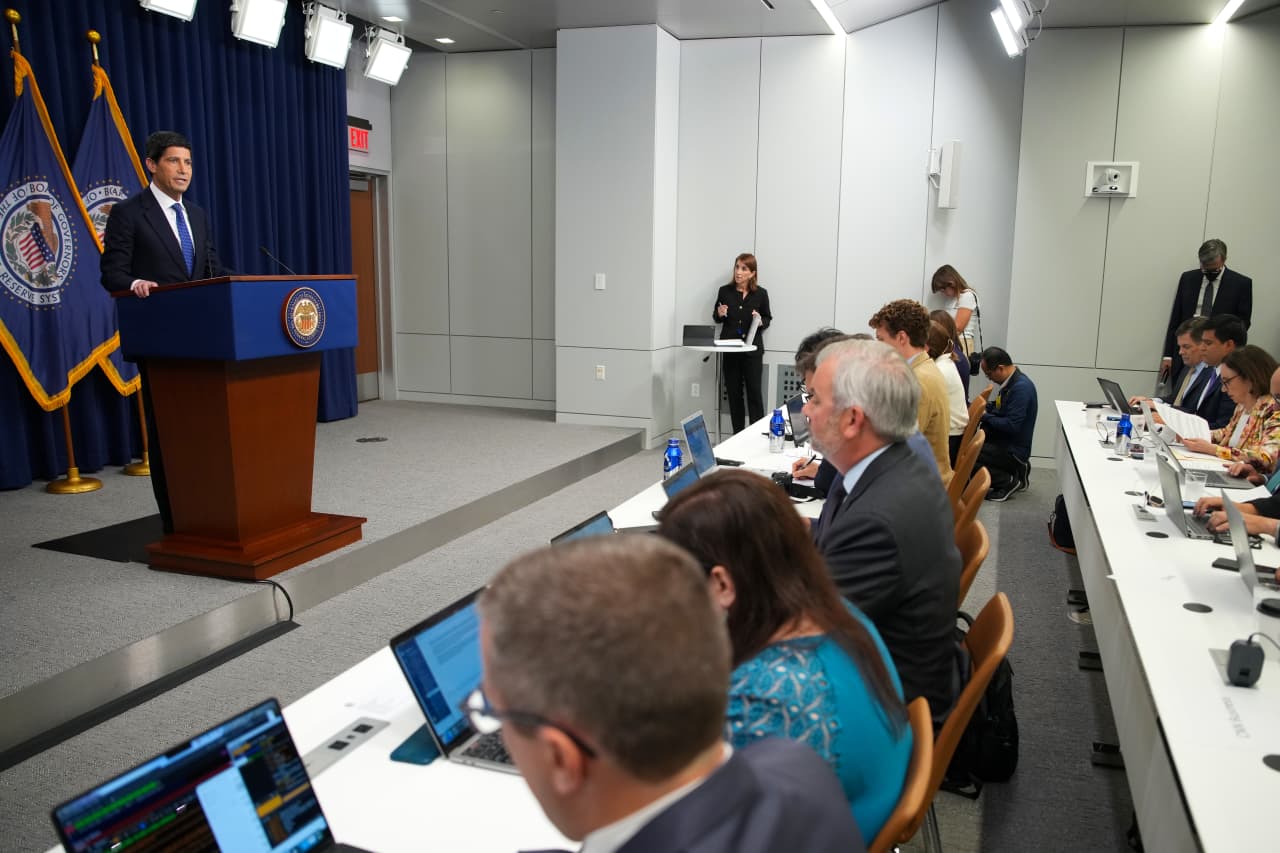
The concrete rupture in the narrative of monetary easing is evident in the Federal Reserve’s internal deliberations, which reveal a faction of policymakers advocating for a more hawkish stance. The minutes indicate that the committee is no longer unified in its belief that inflation is on a steady downward path, with some members arguing that the current trajectory warrants a sharp increase in interest rates. This internal discord marks a significant departure from the consensus that had previously guided market expectations.
The underlying tension stems from conflicting data points; while some indicators suggest cooling, others point to stubborn price pressures in services and housing. This institutional friction reflects the Fed’s struggle to balance the risk of a premature easing, which could reignite inflation, against the danger of tightening too much, which could trigger a recession. The debate is not merely academic but has direct consequences for the cost of borrowing across the economy.
The downstream impact will be felt in the bond markets, where yields may spike in anticipation of a December hike. For emerging markets, including India, this could lead to capital outflows and currency pressure, forcing local central banks to maintain higher interest rates for longer. The global risk appetite will likely tighten, affecting equity valuations and investment in high-growth sectors.
Comments 0