Federal Reserve Prioritizes Inflation Control Over Market Stabilization
The Federal Reserve has confirmed it will continue raising interest rates despite recent stock market selloffs, prioritizing inflation control over equity market stability. This stance reflects a commitment to monetary discipline over short-term financial market sentiment.
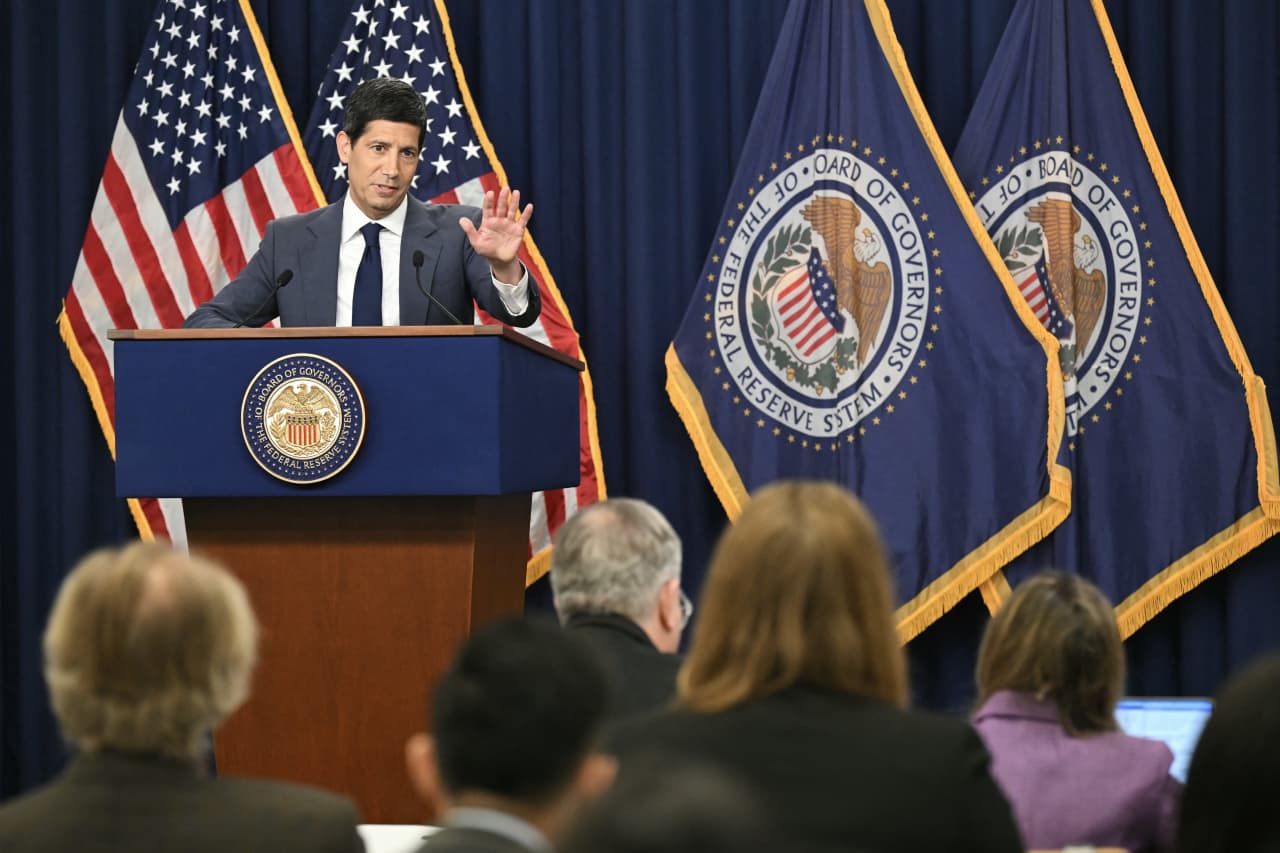
The concrete rupture in financial policy is the Federal Reserve's explicit decision to maintain its inflation-fighting agenda, even as equity markets experience significant volatility. This move signals a clear hierarchy of priorities, where the central bank places the long-term stability of the currency and price levels above the immediate concerns of stock market participants. The decision is a stark reminder that the Fed's mandate is not to manage asset prices but to ensure price stability and maximum employment.
The underlying tension arises from the conflict between the rapid gains in equity markets over the past four years and the recent declines driven by high interest rates. Economists note that the Fed's focus on inflation is a response to the persistent pressure on prices, which threatens to erode purchasing power and destabilize the broader economy. This institutional friction highlights the challenge of balancing growth with stability, as higher rates aim to cool down an overheated economy but risk triggering a recession.
The downstream consequences of this policy stance are significant for investors and businesses alike. Continued rate hikes will likely lead to higher borrowing costs, which could slow down corporate expansion and consumer spending. For the stock market, this means a period of heightened volatility and potential further declines, as investors adjust their expectations for future earnings and growth. The Fed's commitment to its mandate ensures that the path to economic normalization will be gradual and potentially painful for those reliant on low-cost capital.
Comments 0