Field Study Reveals Alarming Pollution in Karnataka’s Arkavathi River
A new study quantifies heavy‑metal contamination in the Arkavathi river, threatening local livelihoods and prompting calls for remediation.
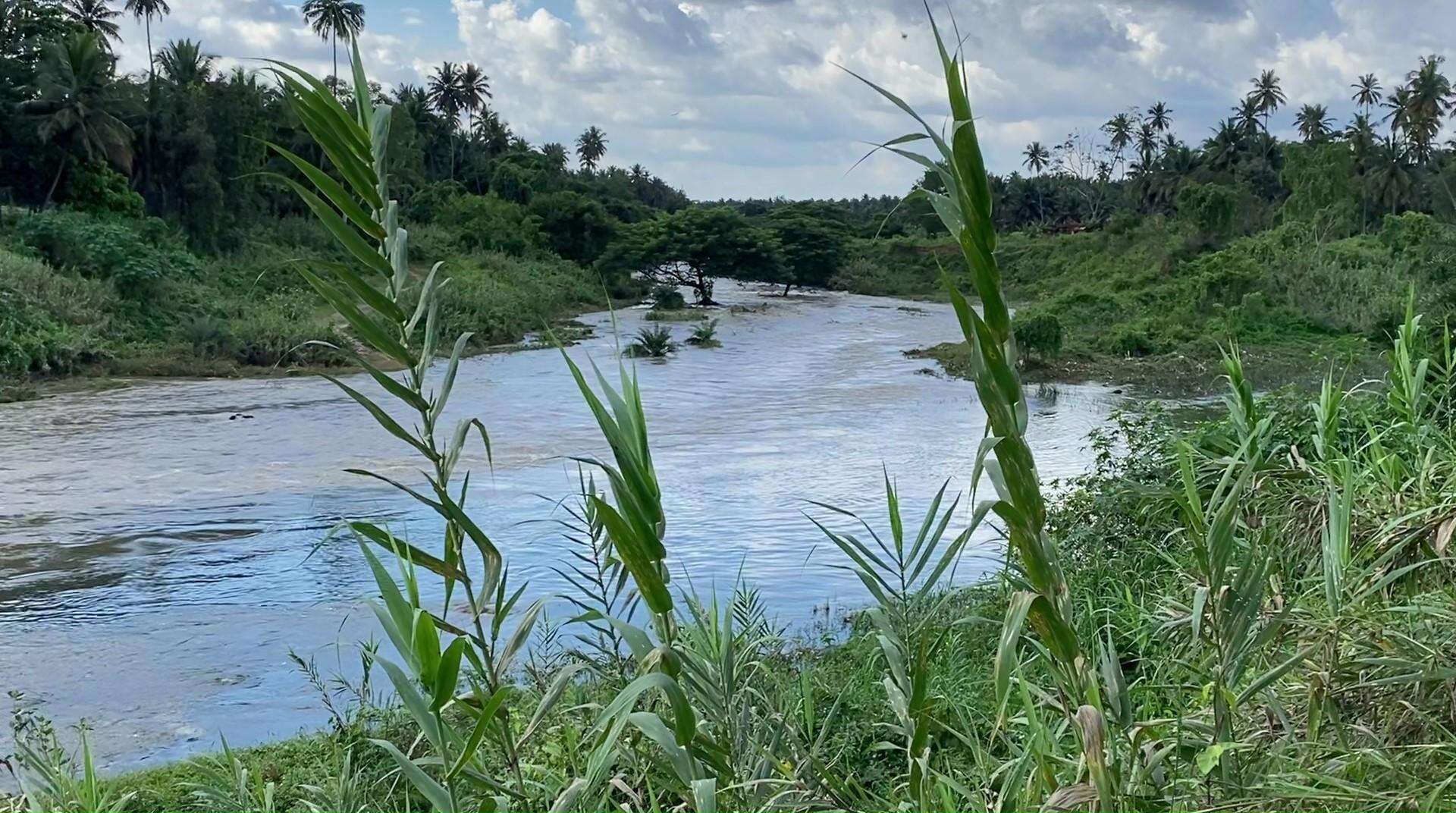
A field‑level study has been launched in Karnataka’s Arkavathi river to quantify pollution levels and assess their impact on surrounding communities. The river, which supplies water to several villages, has shown alarming signs of contamination, including elevated levels of heavy metals and industrial effluents. The study will involve water sampling, soil analysis, and interviews with local residents.
Preliminary findings indicate that the Arkavathi river has become a conduit for hazardous waste from nearby textile and chemical plants. The contamination has led to a decline in fish populations and increased incidence of water‑borne illnesses among the local population. The study’s data will be used to draft a comprehensive remediation plan and to enforce stricter environmental regulations.
The downstream consequences of the river’s pollution are already evident. Farmers report reduced crop yields due to contaminated irrigation water, while fishermen face dwindling catches. The study’s outcomes are expected to prompt the state government to allocate funds for river clean‑up projects and to impose penalties on non‑compliant industries. Over the next year, the Arkavathi river may become a case study for environmental governance in India.
Comments 0