Finance Ministry Defends IDBI Bank Sale Against Opposition Charges of Asset Undervaluation
Union Finance Minister Nirmala Sitharaman rejected criticism from Congress leader Rahul Gandhi regarding the strategic disinvestment of IDBI Bank to foreign institutional investors. The confrontation underscores deep structural disagreements over state asset monetization and public sector banking reform.
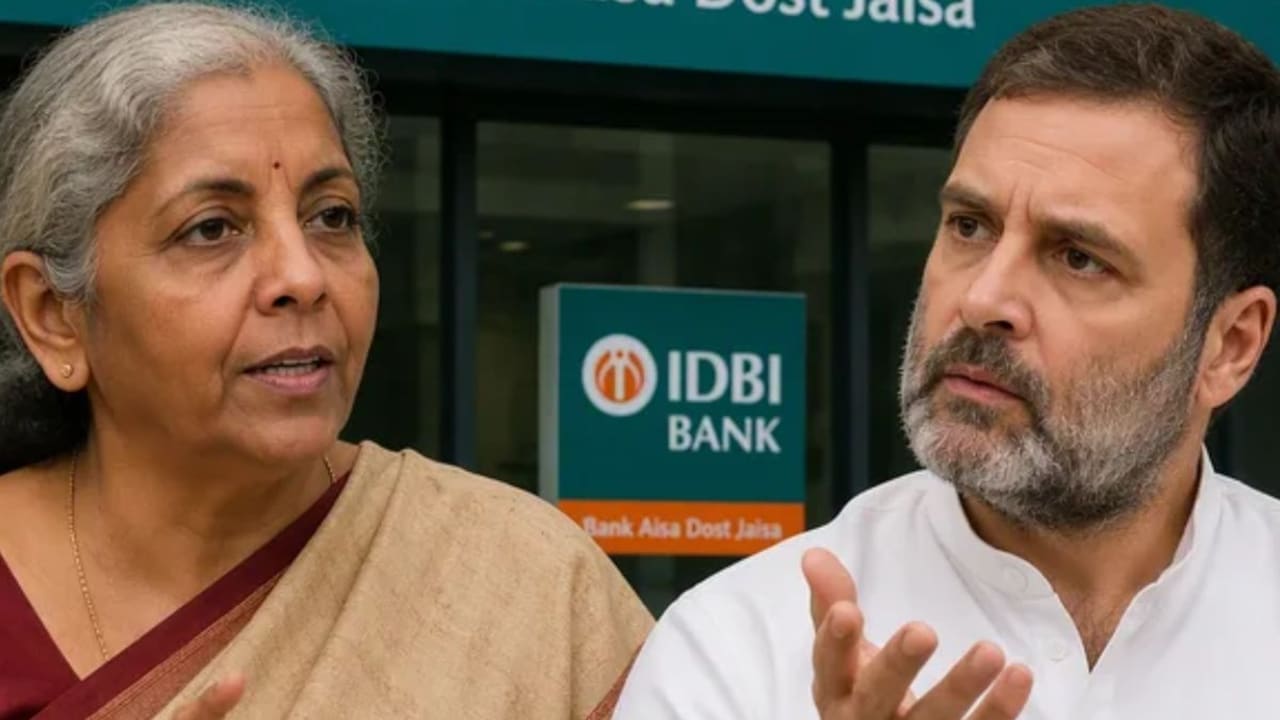
Union Finance Minister Nirmala Sitharaman delivered a stern rebuttal to Congress leader Rahul Gandhi over the planned divestment of state-controlled IDBI Bank to Canadian investment firm Fairfax. Responding directly to opposition allegations that the government is squandering national assets, the Finance Minister asserted that the institution was handed over to the current administration in severe financial distress. The exchange highlights the sharpening political battlefield surrounding state-led asset monetization and foreign ownership in the domestic financial ecosystem.
The confrontation stems from years of non-performing assets and governance issues that historically plagued public sector lenders before systematic recapitalisation efforts began. Opposition leaders argue that transferring controlling stakes in strategic financial institutions to international financial conglomerates jeopardises employee security and national financial sovereignty. Conversely, the Finance Ministry maintains that strategic sales are imperative to relieve taxpayers of ongoing liability and restore commercial vitality to lenders crippled by bad debt legacies.
The public clash directly impacts institutional market sentiment as the government attempts to finalize its strategic divestment targets before the fiscal year closes. Bank trade unions and middle-tier employees face acute operational uncertainty, while prospective international investors carefully evaluate political risk premiums associated with Indian public sector acquisitions. Beyond immediate market mechanics, the fallout solidifies a partisan divide over macroeconomic policy, ensuring that future banking reforms will encounter severe political friction.
Comments 0