Flipkart Builds Its Food Delivery Case Before the Public Launch
Flipkart has opened its food delivery service to thousands of employees before taking it to the wider market. The controlled trial gives the platform a chance to test operations while preparing consumers and restaurants for a broader contest in Indian online commerce.
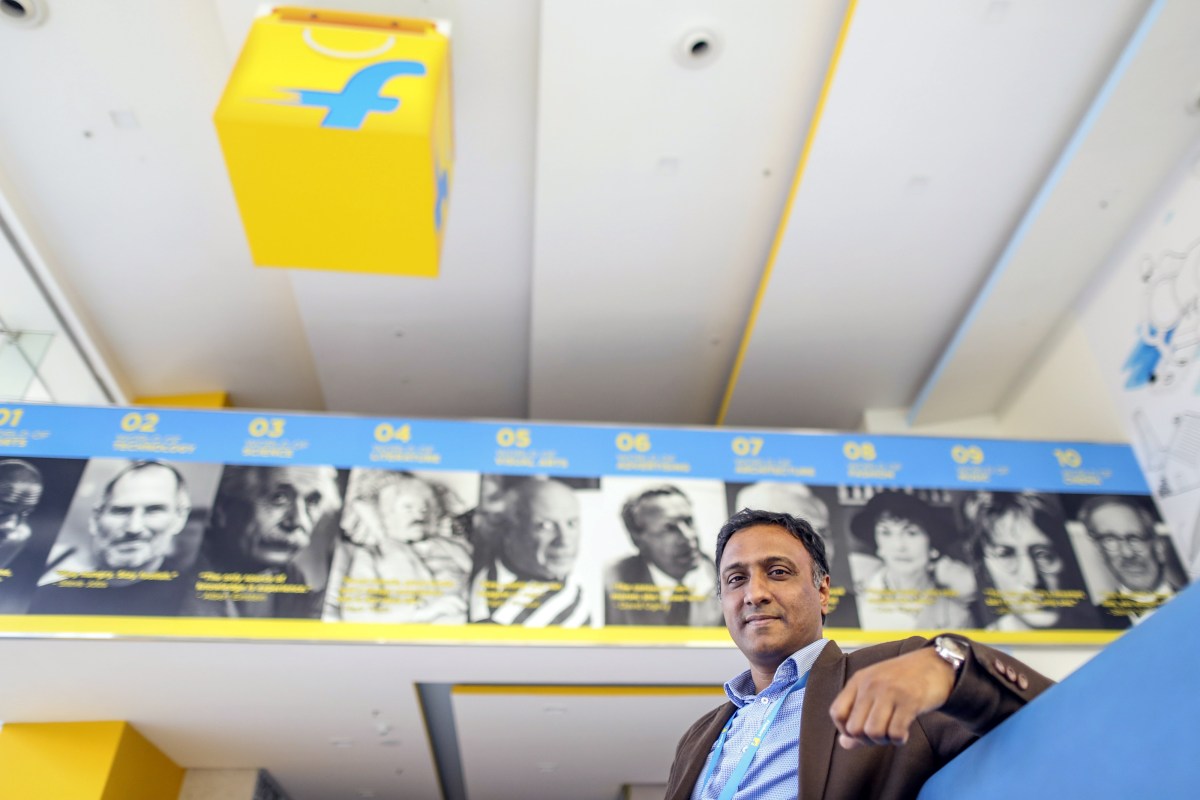
Flipkart's expansion of food delivery access to thousands of employees marks a concrete step toward public launch. The move puts the service through the disorderly conditions of real demand: fluctuating orders, narrow delivery windows, payment failures and the difficult balance between customer expectations and restaurant capacity. It is a private beginning, but one that could determine whether the platform can extend its marketplace authority into a business shaped by speed, convenience and frequent low-value purchases.
The institutional tension is between the discipline of a contained trial and the pressure to grow. Employees provide a controlled population in which the company can identify weaknesses before involving the public, yet a food service must also function across local supply chains that differ markedly by city. Restaurant partners, delivery workers, customers and payment systems must all settle into a common structure before a large-scale launch can succeed.
The stakes extend beyond Flipkart's own balance sheet. A stronger entry into food delivery could force established platforms to improve service, pricing and restaurant reach, while giving consumers another route to daily necessities. For restaurants, the outcome depends on commission terms and order density. For delivery workers, it could mean more routes but also greater pressure to complete journeys under tight deadlines. The employee trial is therefore the first visible test of a market contest whose winners and losers will be decided through ordinary transactions.
Comments 0