FOLK RHYTHMS TO FUSION:Dandiya & Garba Celebrations Are Evolving
Traditional Dandiya and Garba dances in Gujarat are increasingly incorporating modern musical styles and contemporary choreography. This shift reflects a broader trend of cultural fusion that aims to attract younger audiences while preserving core festive elements.
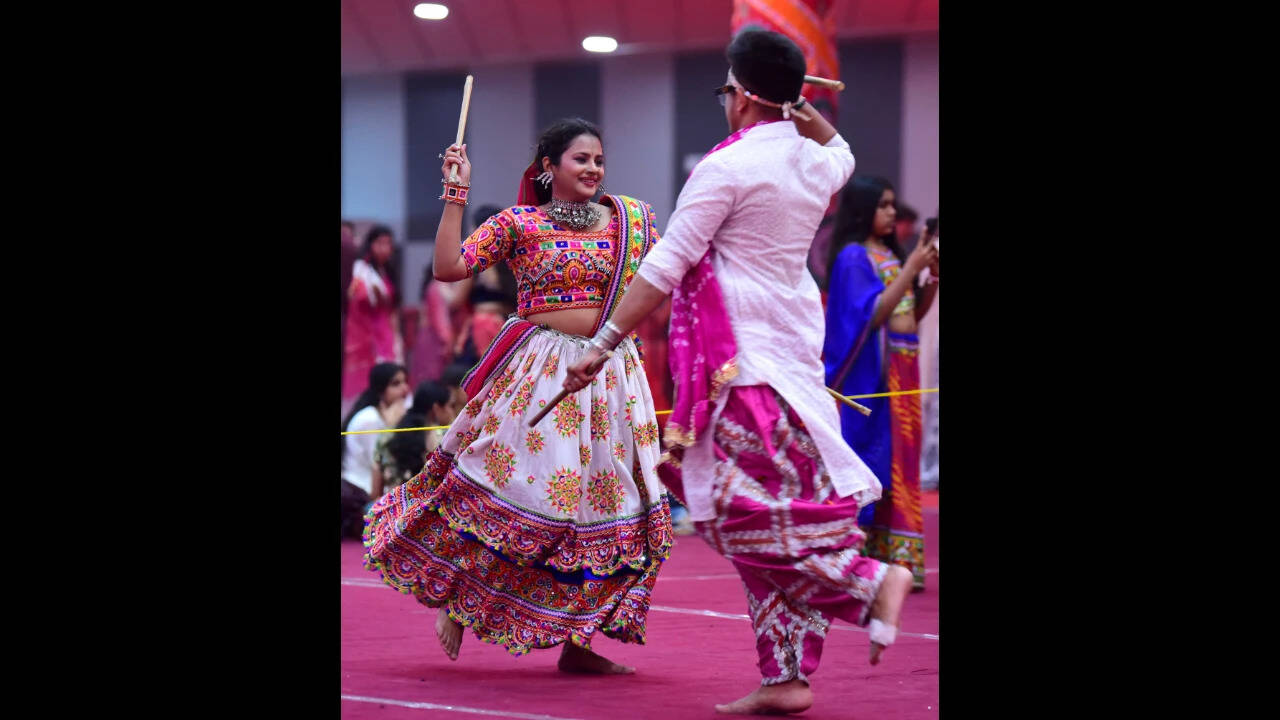
Dandiya and Garba are staple dance forms performed during the nine‑night Navratri festival in Gujarat, celebrating the mythological victory of the goddess Durga. Historically, participants dance in circles to the beat of traditional drums such as the dhol and the nagada, while holding decorated sticks in the case of Dandiya. The dances serve both religious and social functions, bringing together families, friends, and entire neighbourhoods in a shared expression of devotion. Over the years, the events have grown into large public gatherings that attract tourists and generate significant economic activity for the state.
In recent years, event organizers have begun to blend these age‑old rhythms with contemporary music genres, including pop, electronic dance music, and even hip‑hop beats. Professional DJs are now hired to remix classic folk songs, and choreographers introduce new steps that align with faster tempos and modern lighting designs. Some community groups have launched themed nights where participants wear fusion costumes that combine traditional embroidery with modern fabrics. This experimentation aims to keep the celebrations relevant for younger generations who may be less familiar with the original folk repertoire.
The evolution of Dandiya and Garba has sparked both enthusiasm and debate among cultural observers. Supporters argue that the infusion of new sounds helps sustain interest in the festivals and expands their appeal beyond regional boundaries, potentially boosting tourism and related businesses. Critics worry that excessive modernization could dilute the rituals’ spiritual meaning and erode the distinct regional identity. For readers across India, the trend illustrates how traditional arts adapt to changing tastes while still offering a platform for communal participation during one of the country’s most widely celebrated festivals.
Comments 0