Food Inflation Accelerates Across Staple Categories
Wholesale prices for cereals, pulses, and edible oils have risen sharply for the third consecutive month, outpacing overall inflation and squeezing household budgets. The trend threatens to constrain monetary policy flexibility ahead of the festival quarter.
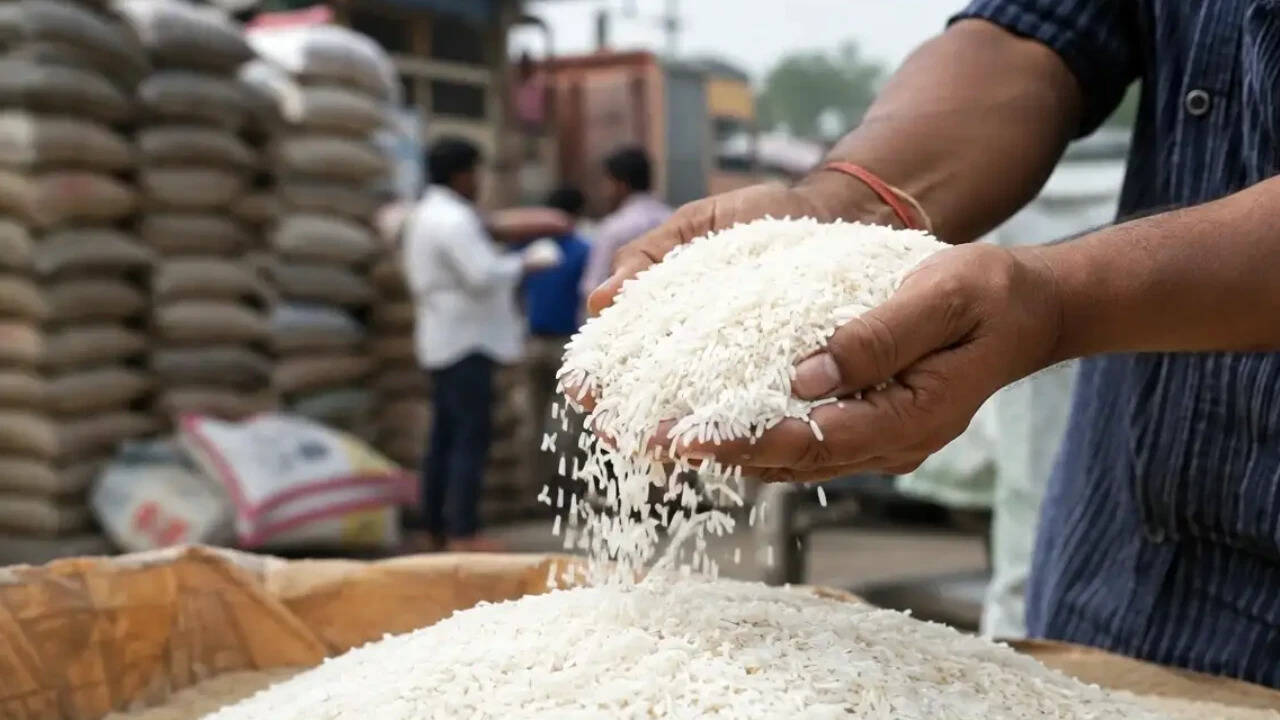
The latest wholesale price index reveals a broad-based surge in food articles, with wheat and rice leading gains at twelve and nine percent year-on-year respectively. Erratic monsoon withdrawal damaged late-sown paddy in the eastern belt, while unseasonal heat during the grain-filling stage reduced wheat yields in the northern plains. Pulse production, already deficient due to acreage diversion toward oilseeds, faces a further shortfall as farmers in Maharashtra and Karnataka report pod borer infestations resistant to approved pesticides. Edible oil imports, which meet sixty percent of domestic demand, have been pressured by Indonesian export restrictions and Argentine drought, transmitting global tightness to local markets.
The policy response has been asymmetric: the center has released buffer stocks through open market sales, yet procurement targets for the current season remain unmet as farmers hold back produce anticipating higher prices. State governments have imposed stock limits on traders, a measure that historically drives transactions into informal channels, reducing price discovery transparency. The Reserve Bank, mandated to target headline inflation, faces a dilemma: tightening would dampen investment at a fragile recovery moment, while accommodation risks entrenching inflation expectations. Rural wage growth, already lagging productivity, turns negative in real terms, eroding the consumption base that sustains two-wheeler and entry-level automobile demand.
The immediate casualty is the festive season sales forecast, with consumer goods companies revising volume projections downward for the October-December quarter. Microfinance institutions report rising delinquencies in districts dependent on agricultural labor, signaling stress transmission to the financial sector. Should the winter crop disappoint, the government will confront a choice between fiscal expansion for targeted transfers and adherence to consolidation targets pledged to rating agencies. The political calendar, with state elections in three major agrarian states within six months, ensures that food inflation will dominate policy discourse through the first half of the coming year.
Comments 0