Food Safety Regulatory Overreach Faces Scrutiny As FSSAI Cracks Down On Energy Drinks
Recent legal analyses scrutinized the Food Safety and Standards Authority of India and its aggressive regulatory enforcement targeting commercial energy drinks. The friction exposes the delicate operational limits of federal food safety agencies when attempting to curb questionable market formulations without overstepping statutory authority.
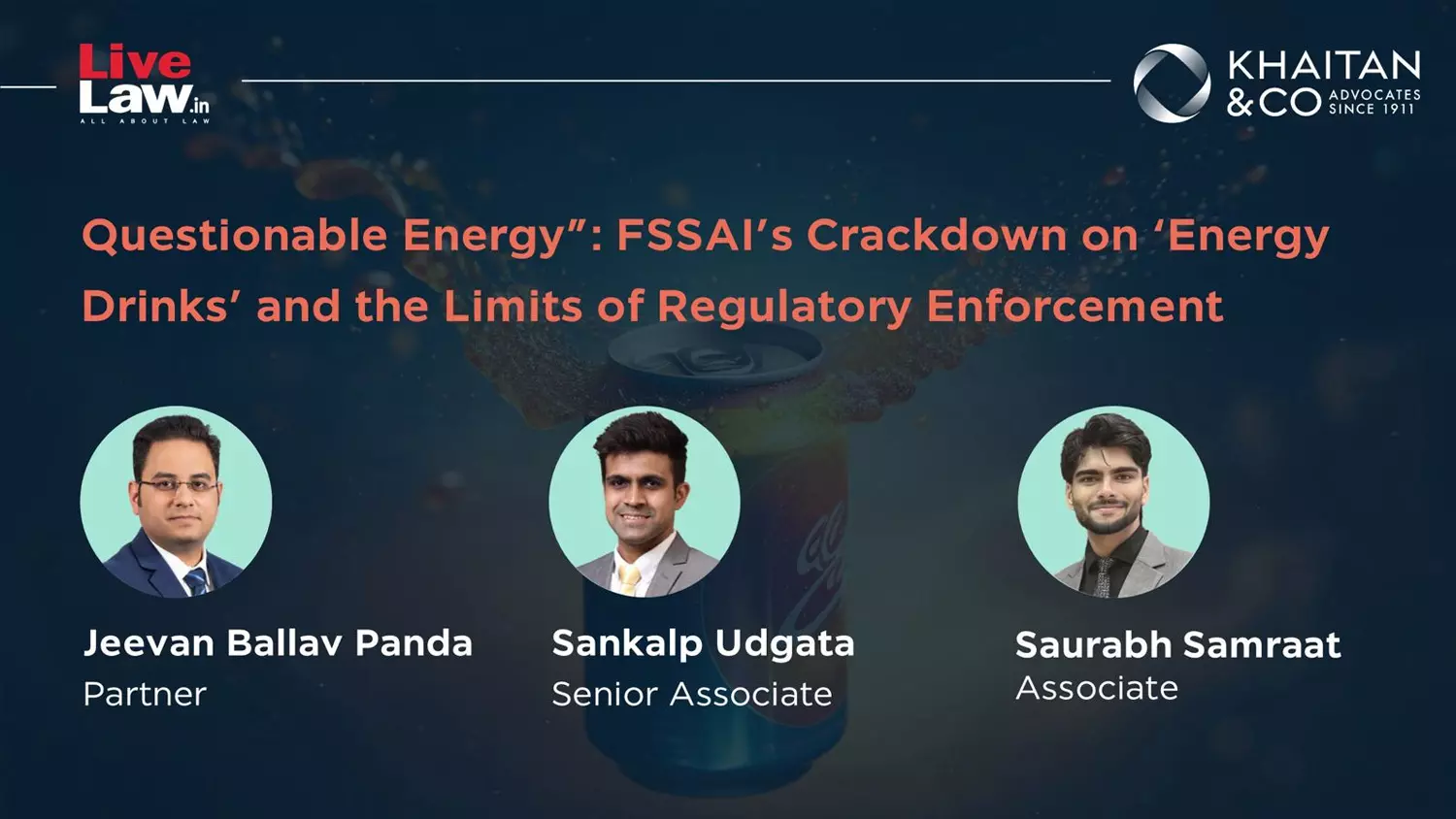
The regulatory posture adopted by the Food Safety and Standards Authority of India regarding popular energy drink formulations has ignited a fierce debate concerning the boundaries of administrative power. Regulatory bodies are increasingly deploying sweeping nationwide crackdowns against commercial products deemed to carry questionable nutritional or stimulant profiles. However, legal experts argue that these aggressive enforcement campaigns frequently test the strict statutory limits defined under food safety legislation, raising fundamental questions about due process and the arbitrary classification of consumer beverages.
At the core of this regulatory dispute is the tension between public health protection and the commercial freedom of multi-national beverage conglomerates. As consumer awareness regarding high caffeine and sugar contents grows, regulatory agencies face immense public pressure to act decisively against potentially harmful formulations. Yet, when enforcement actions rely on ambiguous safety standards rather than conclusive toxicological data, manufacturers are left vulnerable to sudden market bans and severe reputational damage, triggering expensive litigation in high courts across the country.
The downstream outcome of this regulatory friction is a more cautious approach by beverage manufacturers regarding product formulations and ingredient disclosures in the Indian market. At the same time, food safety regulators are being forced to refine their scientific methodologies to withstand judicial scrutiny. This ongoing contest will ultimately determine whether federal agencies can effectively police modern consumable markets without stifling commercial innovation through heavy-handed administrative interventions.
Comments 0