From alfresco to air-filtered: Delhi’s social life moves indoors
As winter pollution levels rise in Delhi, residents are shifting their social activities from outdoor venues to indoor spaces with air purification systems. Commercial establishments are adapting to this demand by offering filtered environments to keep business steady during toxic smog season.
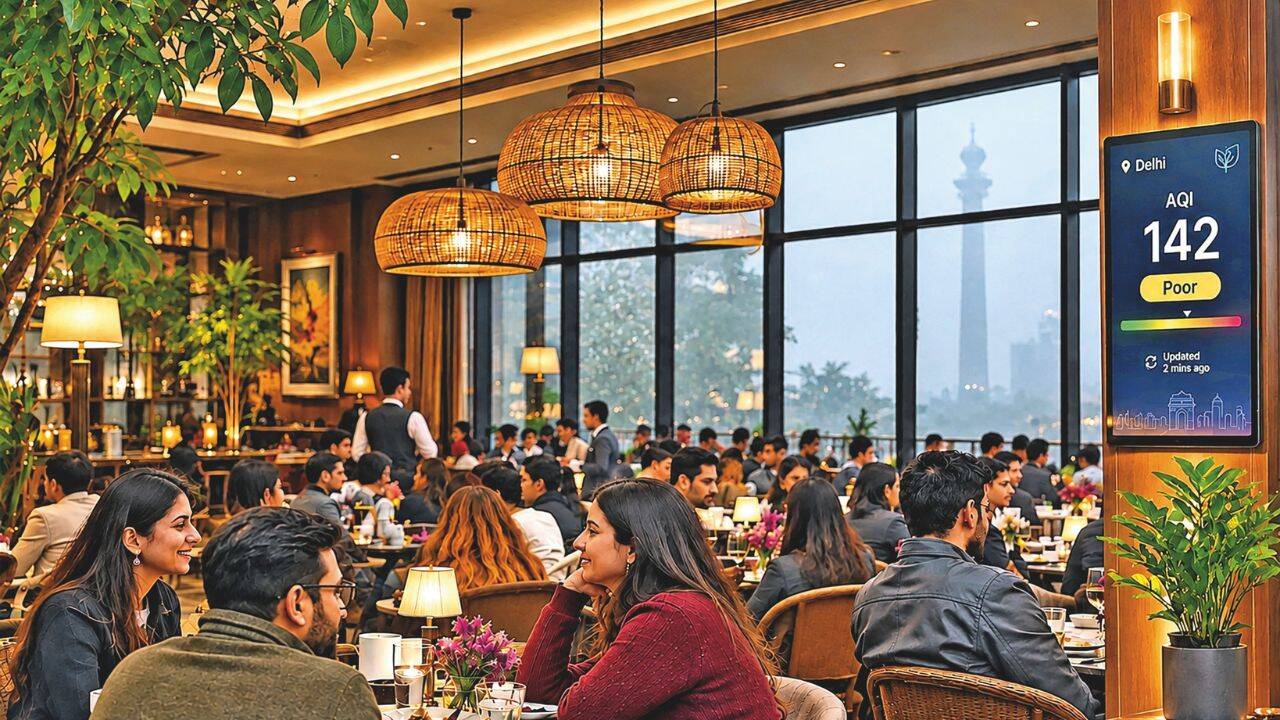
Social life across the National Capital Region is undergoing a noticeable transformation as air quality degrades with the onset of winter. Residents of Delhi are increasingly abandoning open-air venues, outdoor garden dining spots, and rooftop cafes in favor of indoor spaces equipped with high-efficiency air purification systems. Commercial establishments across the city are actively marketing their filtered indoor environments to attract patrons who wish to socialize without exposing themselves to dangerous levels of airborne particulate matter and hazardous winter smog.
For readers in India, this shift illustrates the profound impact that seasonal environmental degradation has on daily routines, urban commerce, and public health. Delhi frequently records hazardous Air Quality Index scores during the winter months, forcing citizens to adjust their recreational habits and lifestyle choices. The growing consumer demand for clean air indoors has created a distinct commercial divide, benefiting businesses that can afford advanced air filtration setups while hurting traditional outdoor vendors and small operators who lack the capital to upgrade their facilities.
The trend also underscores broader urban challenges regarding environmental equity and municipal management in Indian cities. As clean air becomes a premium amenity offered primarily in enclosed commercial venues, lower-income residents and outdoor workers remain disproportionately exposed to toxic atmospheric conditions. Public health experts continue to warn about the long-term respiratory and cardiovascular consequences of sustained pollution exposure, emphasizing that indoor filtration is merely a temporary individual remedy rather than a sustainable solution to systemic air quality issues in the region.
Comments 0